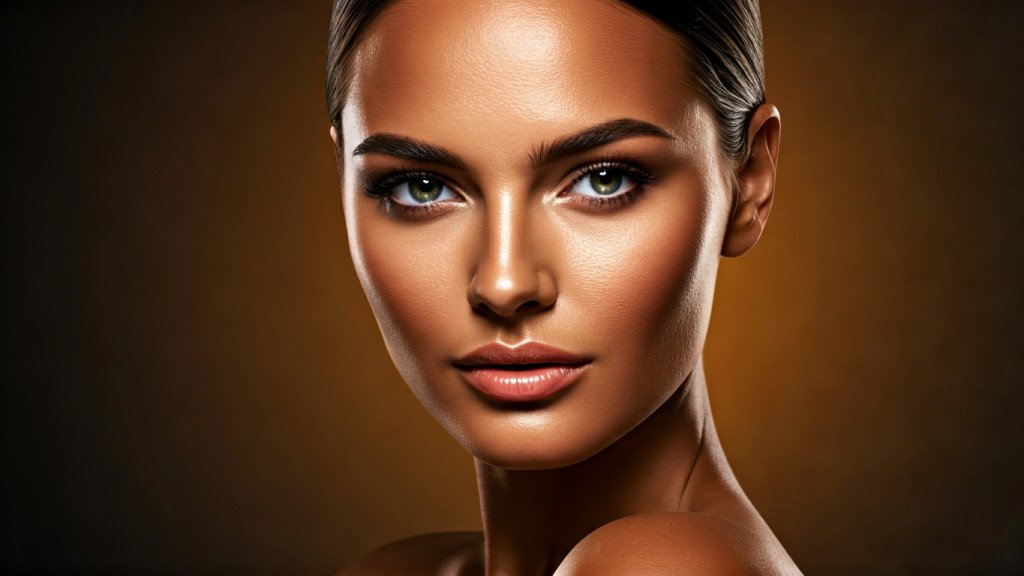
Having the characteristic tan skin of Nusantara women often presents challenges due to narrow beauty standards that idolize pale complexions. In tropical climates bathed in year-round sunlight, this skin tone actually holds extraordinary biological gifts that deserve to be cared for and celebrated with pride.
Tan skin possesses a higher density of eumelanin pigment, offering stronger natural protection against ultraviolet photon radiation damage and slowing the onset of premature aging signs. The key to its care lies in maximum hydration to maintain natural radiance and the prevention of post-inflammatory hyperpigmentation (PIH) with a white-cast-free sunscreen.
Biological Advantages of Melanin-Rich Skin
Dermatologically speaking, skin types IV and V, such as tan complexions, have a robust layer of melanocytes that produce abundant eumelanin. Eumelanin acts as a natural shield, absorbing and refracting the sun’s ultraviolet rays before they can damage skin cell DNA strands.
This protective melanin presence makes tan skin far more resistant to sunburn and results in thicker elastin and collagen fibers. Consequently, structural aging signs like fine lines and sagging skin tend to appear much later compared to lighter skin types.
Specific Challenges and Targeted Care Solutions
Despite its natural protective advantages, tan skin exhibits high melanocyte reactivity to irritation or physical injury. When inflammation occurs due to acne or scratches, melanocytes tend to overproduce pigment, leaving stubborn dark spots known as post-inflammatory hyperpigmentation (PIH).
In addition to dark spot concerns, dehydrated tan skin quickly appears dull and loses its natural luminosity. Therefore, the care approach focuses on deep hydration and gentle brightening antioxidants.
| Care Aspect | Tan Skin Characteristics | Appropriate Care Solutions |
|---|---|---|
| Aging Resistance | Denser collagen & UV radiation resistant | Maintain with peptides and Vitamin E antioxidants |
| Inflammatory Response | Prone to dark spots (PIH) | Use Niacinamide, Azelaic Acid, and Alpha Arbutin |
| Sunscreen Selection | Often leaves a white cast | Choose chemical sunscreens or tinted mineral options |
| Hydration Appearance | Quickly appears dull when dehydrated | Use hyaluronic acid serums and ceramide moisturizers |
Practical Guide to Achieving Radiant Tan Skin
Here are daily steps to keep tan skin luminous and free from dullness:
- Use a Gentle Facial Cleanser: Avoid soaps with harsh sulfates that strip protective skin lipids and trigger negative melanocyte responses.
- Gentle Chemical Exfoliation: Opt for Mandelic Acid or Lactic Acid, which have larger molecular sizes, allowing for even surface exfoliation without irritating deeper tissues.
- Disciplined SPF 30+ Sunscreen: Despite natural protection, daily sunscreen application is absolutely essential to prevent acne scars from darkening further.
Editor’s Note — Caring for the Exotic Glow of the Archipelago:
Tan skin is a symbol of tropical warmth and resilience. Never compromise it with instant whitening creams containing mercury or hydroquinone without medical supervision. Simply ensure adequate hydration, and your skin will radiate a captivating golden glow. — Salwa Salon Editorial Team
Frequently Asked Questions (FAQ)
Can tan skin still develop skin cancer from sun exposure?
Yes. Although the risk for tan skin is lower than for fair skin, chronic UV radiation exposure without sunscreen protection can still damage DNA cells and trigger skin malignancies.
What ingredients are most effective for fading acne scars on tan skin?
A combination of Niacinamide (4-5%), Tranexamic Acid, and Azelaic Acid is highly effective for fading PIH without the risk of dangerous hypopigmentation (white patches).
Why do mineral sunscreens often make tan skin look ashy?
Large particle sizes of Titanium Dioxide and Zinc Oxide reflect white light on top of darker pigment. The solution is to choose micro-particle-based formulas or tinted mineral sunscreens.
Is tan skin well-suited for makeup with warm undertones?
Extremely well-suited. Colors like terracotta, warm bronze, gold, peach, and deep berry will enhance the natural warmth of tan skin and make it appear incredibly captivating.
Gentle Exfoliation Techniques to Prevent Hyperpigmentation Spots
Tan skin has more active melanocytes that produce melanin pigment when subjected to friction or irritation. Therefore, avoid the habit of scrubbing your face with coarse physical scrubs, which can trigger post-inflammatory hyperpigmentation (PIH) in the form of stubborn dark patches.
Choose chemical exfoliants like mandelic acid or PHAs (Polyhydroxy Acids) which have large molecules, allowing for slow absorption without startling melanocytes. Exfoliate a maximum of twice a week in the evening, then seal with a nourishing moisturizer to ensure your skin always appears smooth, even-toned, and naturally radiant.
Quick Chat About Tan Skin
Why are acne scars on tan skin more difficult to fade?
The high melanin density causes tan skin to respond to inflammation by producing extra pigment as a form of natural protection, making acne scars appear darker.
What active ingredients are safest for evening out tan skin tone?
A combination of niacinamide (4-5%), alpha arbutin, and licorice extract is highly effective at safely inhibiting the tyrosinase enzyme responsible for dark spot formation without altering your natural skin tone.
Do individuals with tan skin still need to wear sunscreen daily?
Absolutely. Although melanin provides natural protection against UV rays, sun radiation exposure without protection can still trigger dark spots and collagen fiber degradation.


Tinggalkan Balasan