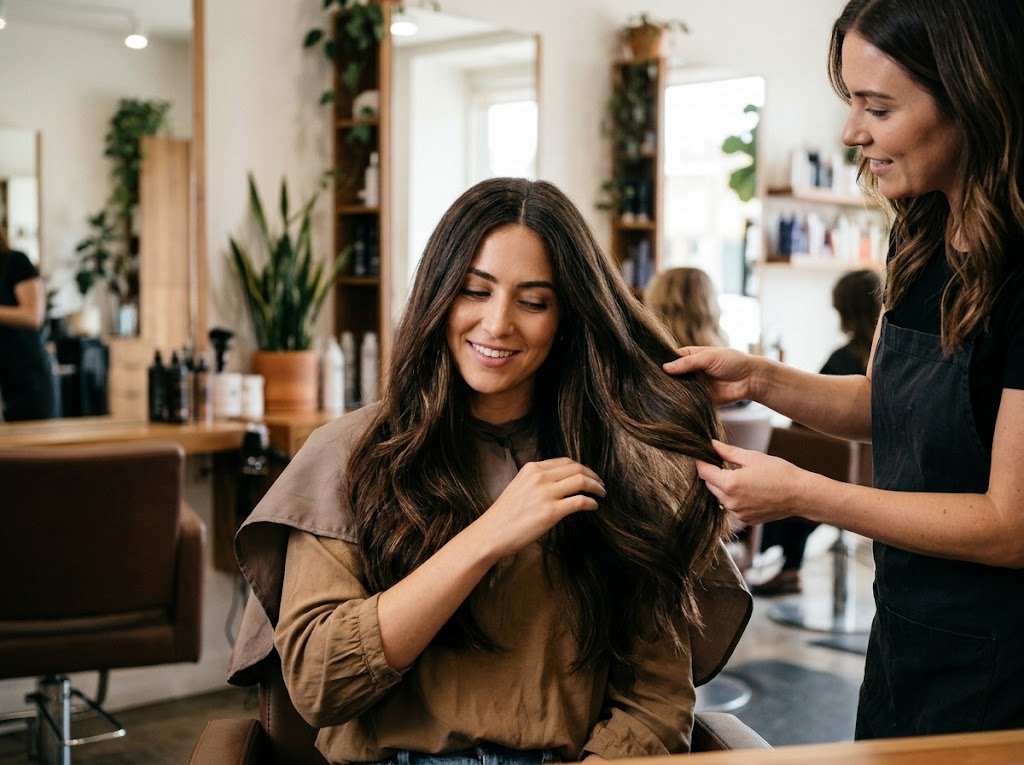
The journey of self-discovery and style exploration often necessitates changes in our personal care routines. One of the most physically impacted aspects during a style transition is the health of our hair and scalp.
Hair that was accustomed to being covered and is now frequently exposed to open air—or vice versa—requires biological adaptation to sunlight, urban pollution, and new humidity levels. Here’s your guide to maintaining strong, lustrous hair through every phase of your transition!
Challenges of Hair Adaptation to Open Environments
- UV Exposure: Direct solar radiation can degrade keratin proteins and fade natural hair pigments, leading to a dull, reddish cast.
- Airborne Particulate Pollution: Urban dust adheres to scalp sebum, potentially clogging follicular ostia if not properly cleansed.
- Wind Friction: Strong winds can cause dry strands to become easily tangled and brittle, leading to breakage during hurried brushing.
A Structured Approach to Restoring Hair Shaft Health
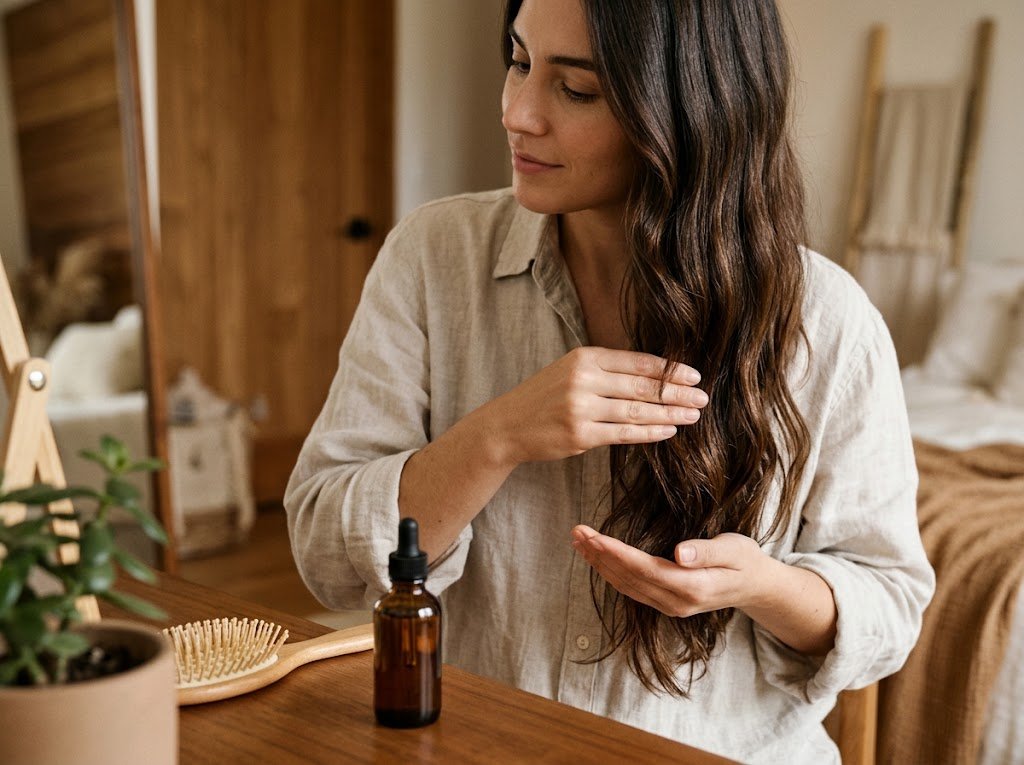
1. Utilize a UV Protective Serum (Hair Sunscreen)
Apply a UV-filtering leave-in conditioner or hair serum to the hair shaft before outdoor activities to prevent fiber desiccation.
2. Incorporate Regular Scalp Exfoliation
Perform gentle exfoliation using a salicylic acid-based scrub once a week to slough off dead sebum and particulate residue from the hair follicle pores.
3. Weekly Deep Conditioning Mask Therapy
Use a hair mask rich in keratin proteins, ceramides, and argan oil weekly to replenish cortical integrity and combat hair fragility.
4. Trim Split Ends Promptly
Trim approximately 1 to 2 cm of hair every 8–10 weeks to prevent split ends from traveling up the hair shaft.
Physiological Follicular Adaptation Post-Style Transition:
“Hair accustomed to the microclimate of a protective head wrap has a vastly different scalp environment compared to hair that is freely exposed. When hair begins to experience frequent exposure to tropical sunlight and direct wind, strands are susceptible to losing essential moisture up to twice as fast. In the salon, we always recommend a gradual transition: avoid immediate harsh chemical coloring or bleaching processes while the hair is still adapting to the external environment. Prioritize deep hydration treatments and use a wide-tooth comb to minimize mechanical hair loss.” — Fatmawati Tahir
Transition Hair Care FAQs
Why does my hair feel greasier faster when I start wearing it down more often?
Hair directly interacts with environmental pollutants and is frequently touched by hands, which transfer natural oils. Wash hair with a gentle, pH 5.5 shampoo every other day.
How can I address hair loss caused by tight hairstyles from the past?
Opt for loose silk scrunchies and apply a hair tonic containing biotin and ginseng extract along the hairline to stimulate new vellus hair growth.
When is the optimal time for a salon hair spa treatment?
Indulging in a relaxing hair spa treatment once a month is highly beneficial for nourishing hair roots and enhancing scalp microcirculation.


Tinggalkan Balasan