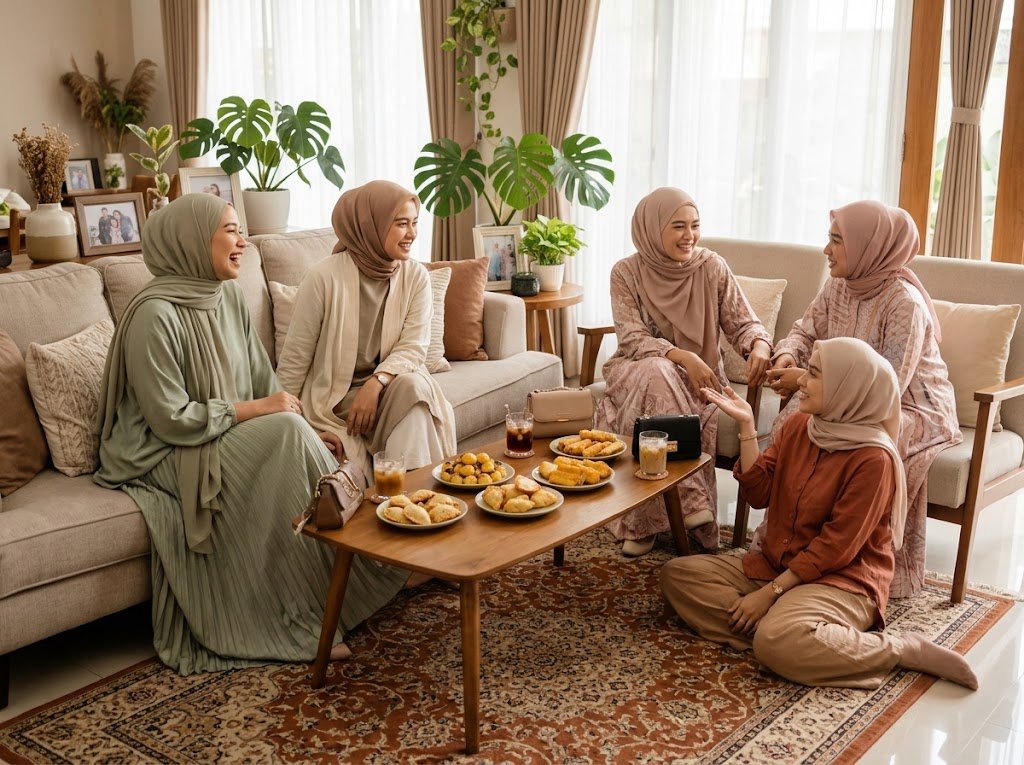
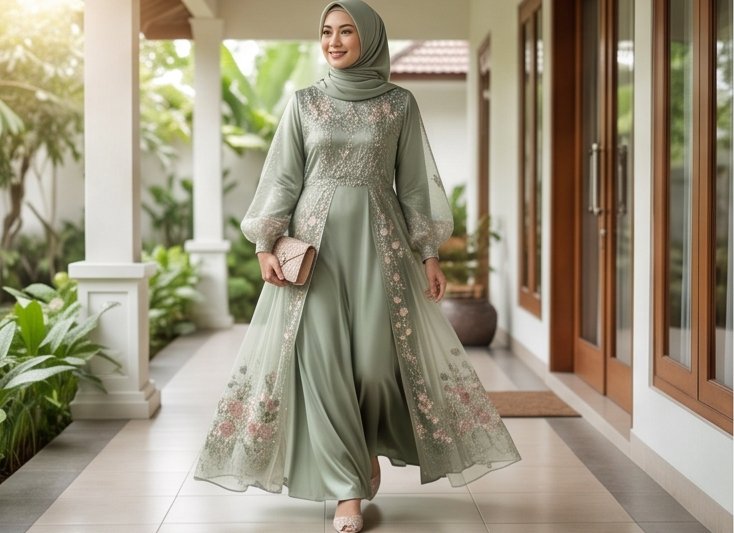
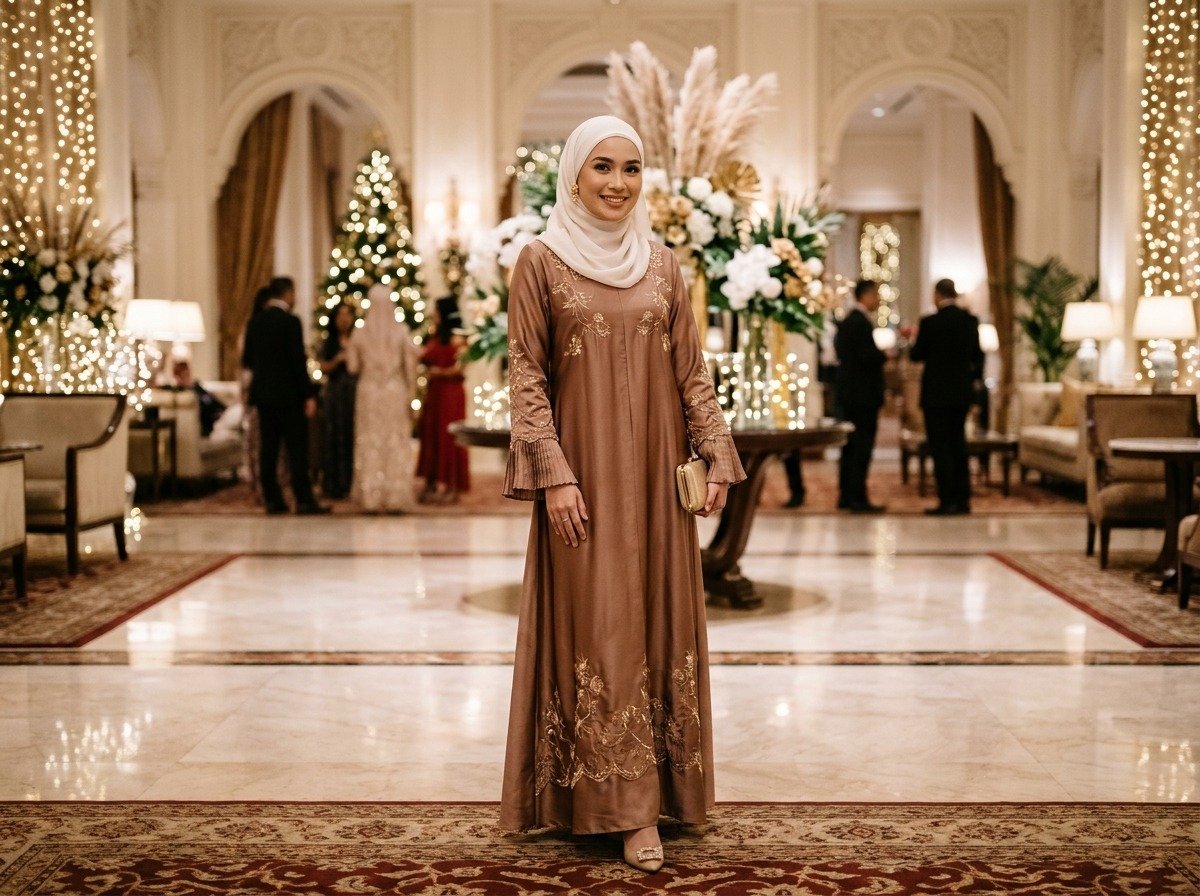
Maintaining a hijab’s structure to remain perfectly neat on the forehead and resist shifting throughout the day can be a significant challenge for many active women. Transitioning from air-conditioned interiors to humid, windy outdoor environments can cause scarf fabrics to sag, wrinkle, or feel stuffy around the ears if the material is not chosen wisely.
Selecting a hijab material with balanced fiber density and optimal flexibility is paramount for maintaining an elegant appearance without the constant need for mirror touch-ups. Understanding the characteristics of each scarf fabric type will empower you to make the most suitable choice for your specific events and daily weather conditions.
Characteristics of Popular Hijab Fabrics
The contemporary modest fashion market offers a diverse array of hijab fabrics, each with its unique advantages. Among the most favored for daily wear is voal fabric. High-quality voal is crafted from fine cotton fibers, woven with a loose yet robust structure, providing a crisp drape on the forehead and a cool sensation against the scalp.
In addition to voal, polycotton—a blend of polyester and cotton fibers—is also a popular choice due to its affordability, wrinkle resistance, and ease of styling. For those seeking a more formal and sophisticated aesthetic, ceruty babydoll fabric offers a beautifully flowing, ethereal drape, while silk satin provides a luxurious sheen, perfect for evening galas.
Selecting Materials Based on Face Shape and Occasion
The right hijab material can help to harmoniously frame facial proportions. For individuals with round face shapes, structured fabrics like ultrafine voal or premium paris are highly recommended. These can be styled to create a defined, curved silhouette above the forehead, visually elongating and slimming the face.
For those with slender or oval faces, pashmina styles made from thin ceruty or cashmere can be draped to add subtle volume at the sides of the cheeks, creating a more balanced facial appearance. It’s also essential to match fabric type with your daily agenda: opt for matte-textured materials for work and academic activities, and reserve lustrous, subtly shimmering fabrics for formal celebrations.
Why Scalp Comfort Should Be the Top Priority
The visual appeal of a hijab should never compromise the health of your hair and scalp. Fabrics that are too impermeable can trap heat and perspiration beneath the scarf, creating a humid microclimate that can lead to dandruff, itching, and hair loss. This is precisely why a fabric’s breathability is critically important.
Ensure you pair your outer hijab with an inner cap made from breathable cotton or natural bamboo fibers. A well-designed inner cap effectively wicks away sweat before it saturizes the outer hijab, while also protecting hair strands from friction with synthetic fabrics, which can cause split ends and dryness.
How to Care for Hijab Fibers for Longevity and Shape Retention
To ensure your cherished hijab collection remains pristine, resists pilling, and maintains its color vibrancy, meticulous washing and ironing techniques are essential. Avoid machine washing delicate hijab fabrics on high spin cycles, as the friction between garments can damage the fabric’s weave.
Hand-wash hijabs using a mild liquid detergent or a specialized delicate fabric soap. Do not wring the fabric excessively; gently press out excess water and air dry in a shaded area. When ironing, use low to medium heat settings, and place a thin pressing cloth over the fabric if ironing satin or organza hijabs to prevent heat-induced sheen marks.
Frequently Asked Questions About Hijab Material Selection
How can I differentiate premium voal from regular voal in the market?
Premium voal feels exceptionally soft to the touch, its weave is dense and uniform without coarse fuzz, and it drapes perfectly when folded into a triangle without the need for fabric stiffeners.
Is an inner cap mandatory for ceruty fabric hijabs?
Yes, ceruty babydoll fabric is characterized by its thin, slightly sheer quality and a smooth, sandy texture, necessitating a non-slip inner cap to ensure a secure fit on the head and complete coverage of the hair.
How can I prevent my hijab from being blown away by the wind outdoors?
Utilize bulb pins or magnetic clips to secure the fabric under your chin and discreetly place pins on the right and left shoulders to prevent the fabric from easily lifting.
Why is the classic paris hijab experiencing a resurgence in popularity?
Classic paris hijabs, made from pure cotton, are exceptionally lightweight, breathable, and their folds naturally settle on the forehead, offering a timeless, understated elegance that transcends trends.
Salwa Salon Editorial Note: The perfect hijab is one you forget you’re wearing due to its supreme comfort. Choose materials that are kind to your scalp, care for their fibers with gentleness, and wear them with a sincere heart. A neat and well-maintained appearance is a reflection of noble self-regard.
Understanding the nuances of hijab materials empowers you to consistently present a neat, confident, and captivating appearance in every setting. By combining breathable fabric choices, appropriate styling techniques, and diligent care, you can enjoy graceful and comfortable hijab wear all day long.