For Muslim women who wear the hijab, a sense of monotony can arise from the daily routine of matching headscarves and attire in the exact same shade (a head-to-toe monochromatic ensemble). However, when venturing to pair a hijab with an outfit in a different color, hesitation often surfaces due to the fear of appearing overly ostentatious or clashing haphazardly.
- 2.1 1. Employing the Analogous Color Principle (Adjacent Hues)
- 2.2 2. Pairing Vibrant Apparel with Warm Neutral Hijabs
- 2.3 3. Extracting a Minority Color from Your Outfit’s Pattern
- 2.4 4. Combining Monochromatic Tones with Varying Lightness Levels
- 2.5 5. Harmonizing Color Saturation Levels
- 2.6 6. Utilizing Footwear and Handbags as Color Bridges
Coordinating distinct colors in your hijab and apparel is, in fact, a delightful visual art form. The primary keys to success lie in mastering color saturation harmony, understanding the balancing function of neutral tones, and applying fundamental color wheel principles to maintain an elegant and aesthetically pleasing presentation.
The Concept of Color Harmony in Modest Fashion
The hijab frames the face directly, meaning its color intimately interacts with your facial skin tone and becomes an integral element of your overall silhouette. A thoughtfully executed color-blocked ensemble can, in fact, project a modern, fresh, and youthful spirit.
Conversely, an unbalanced color combination can render the face appear sallow or create visual fatigue for the observer. Therefore, a calm and measured approach will empower you to optimally explore the color spectrum within your wardrobe.
6 Practical Tips for Pairing Contrasting Hijab and Outfit Colors
1. Employing the Analogous Color Principle (Adjacent Hues)
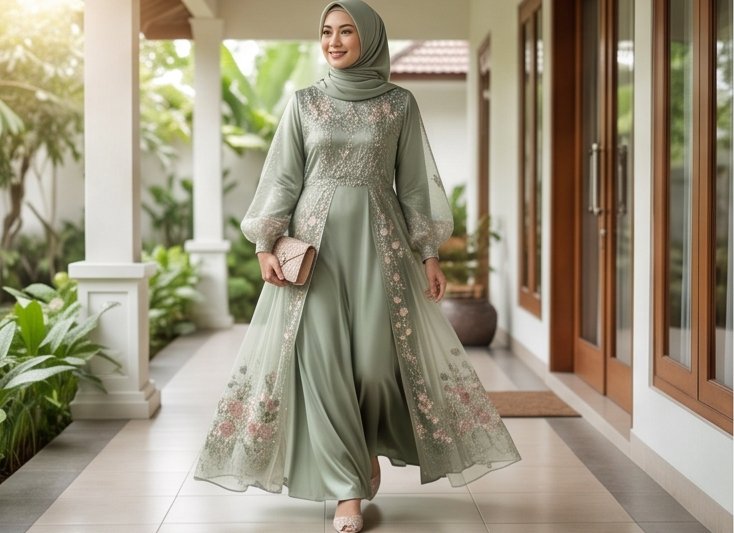
The most elegant and foolproof method for combining different colors is to select hues that are adjacent on the color wheel (analogous colors). For instance, pair a soft sage green abaya or tunic with a pastel mustard yellow or olive hijab. This creates a seamless, natural, and visually soothing color transition.
2. Pairing Vibrant Apparel with Warm Neutral Hijabs
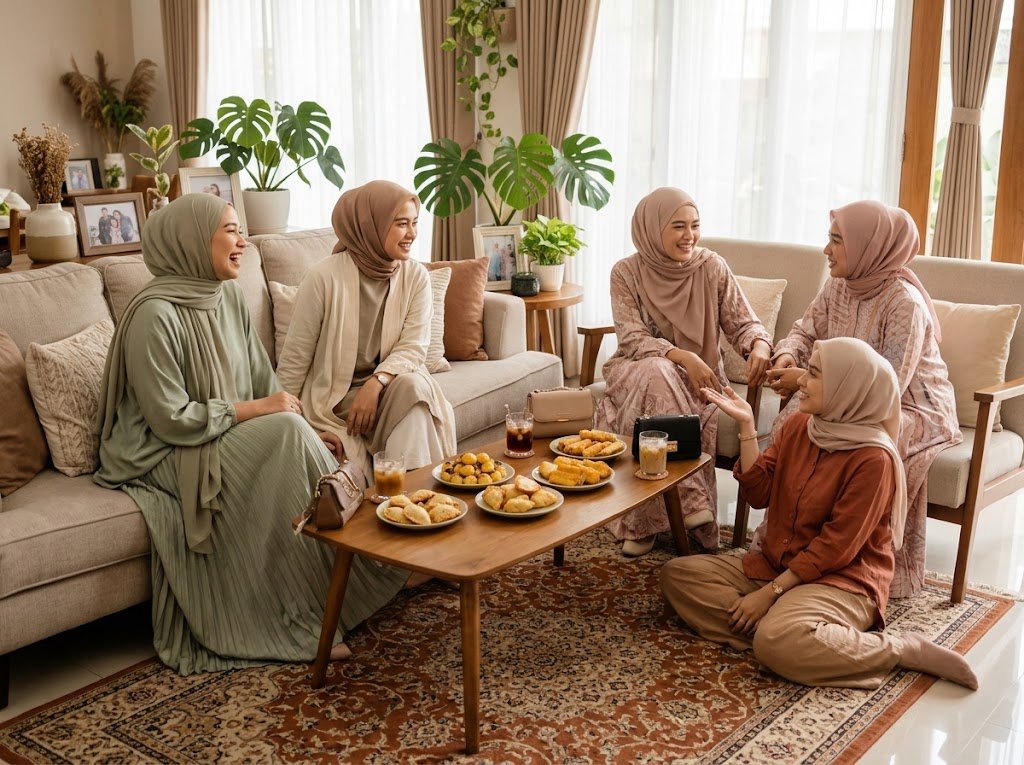
If you opt for a boldly patterned outfit or a blouse in a strong hue such as terracotta, fuchsia, or electric blue, allow that piece to be the focal point. Balance it with a warm neutral hijab in shades like sand, beige, taupe, or a soft light gray to prevent the ensemble from appearing overwhelming.
3. Extracting a Minority Color from Your Outfit’s Pattern
When wearing garments with floral, geometric, or ethnic motifs, pay close attention to the subtle color accents within the design. If a black-based patterned outfit features a small lilac floral accent, choose a solid lilac hijab. This technique establishes a cohesive and harmonious visual thread.
4. Combining Monochromatic Tones with Varying Lightness Levels
Monochromatic dressing doesn’t exclusively mean black and white. You can wear an outfit within a single color family but with contrasting gradients of light and dark. For example, pair dark navy trousers or a skirt with a light sky blue top, and complete the look with a dusty blue hijab. This graduated appearance can create an illusion of a more elongated physique.
5. Harmonizing Color Saturation Levels
The key to preventing two distinct colors from clashing awkwardly is to ensure their saturation levels are comparable. If your attire features muted pastel tones, pair it with a hijab that also has a pastel quality. Avoid mixing vibrant neon colors with faded earthy tones, as one hue will appear discordant or aggressively dominant.
6. Utilizing Footwear and Handbags as Color Bridges
Accessories such as tote bags and shoes can serve as bridges, connecting the disparate colors of your hijab and outfit. If your hijab is dusty rose and your outfit is olive green, opt for footwear and a bag in a tan or ivory shade. Neutral-toned accessories perfectly unify the entire ensemble.
Consider Your Facial Undertones:
Before coordinating your hijab with your outfit, ensure the hijab’s color complements your facial skin’s undertone. For individuals with warm undertones, hijab colors like warm cream, caramel, and soft terracotta will impart a radiant, fresh complexion. Conversely, for those with cool undertones, hijab shades such as silver gray, dusty pink, and pastel blue will enhance natural cheek color without appearing washed out. — Salwa Salon Editorial Team
Avoiding Common Modesty Fashion Pitfalls
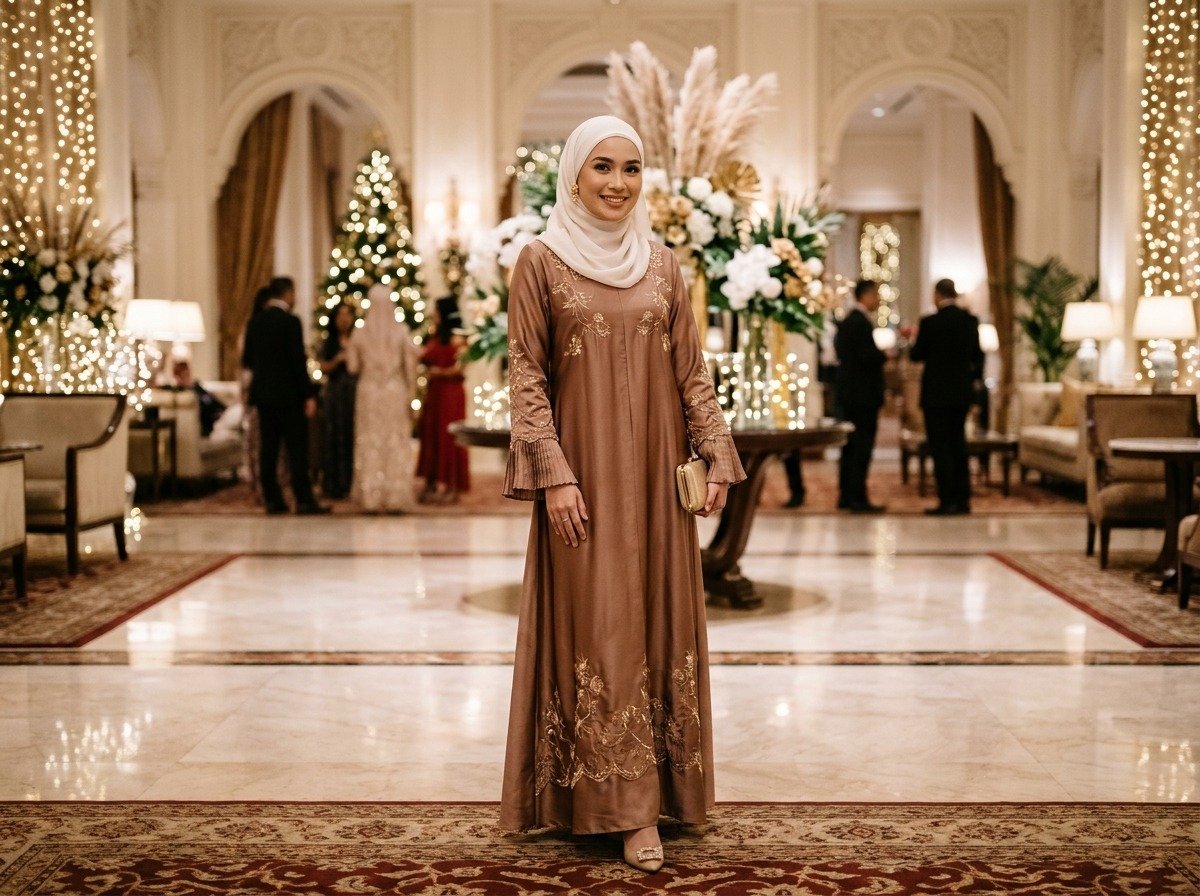
One frequent oversight is the excessive layering of textures and embellishments simultaneously. If your clothing already features intricate lace, sequins, or lustrous organza, opt for a hijab crafted from plain cotton voile or Paris material that doesn’t reflect light. Textural balance is as crucial as color harmony.
Furthermore, pay attention to the color of your inner hijab cap. Select an inner cap that either blends with the hijab’s color or closely matches your skin tone to prevent the inner cap’s edge from creating a distracting color break line on the forehead.
Frequently Asked Questions (FAQ)
Is a black hijab always suitable with all outfit colors?
While black hijabs are neutral, pairing them with extremely pale pastel outfits can create a stark and heavy contrast; light gray or cream often serve as softer alternatives.
How should I style a maroon outfit with the right hijab color?
Maroon attire pairs beautifully with hijabs in nude, dusty rose, milk chocolate, or warm gray tones.
Can I mix a patterned hijab with a differently patterned outfit?
This is permissible for experimental styles but requires significant sartorial expertise. For everyday wear, the safest approach is to pair a patterned top with a solid hijab, or vice versa.
What hijab color is most complementary to sage green clothing?
Sage green is exceptionally harmonious when paired with hijabs in cream, ivory, beige, taupe, and soft dusty pink.
A Calming Conclusion
Modest dressing is about expressing your grace and individuality with serene confidence. Do not hesitate to experiment with new color combinations from your wardrobe, as the courage to harmonize colors will radiate positive vibrancy into your daily life.