
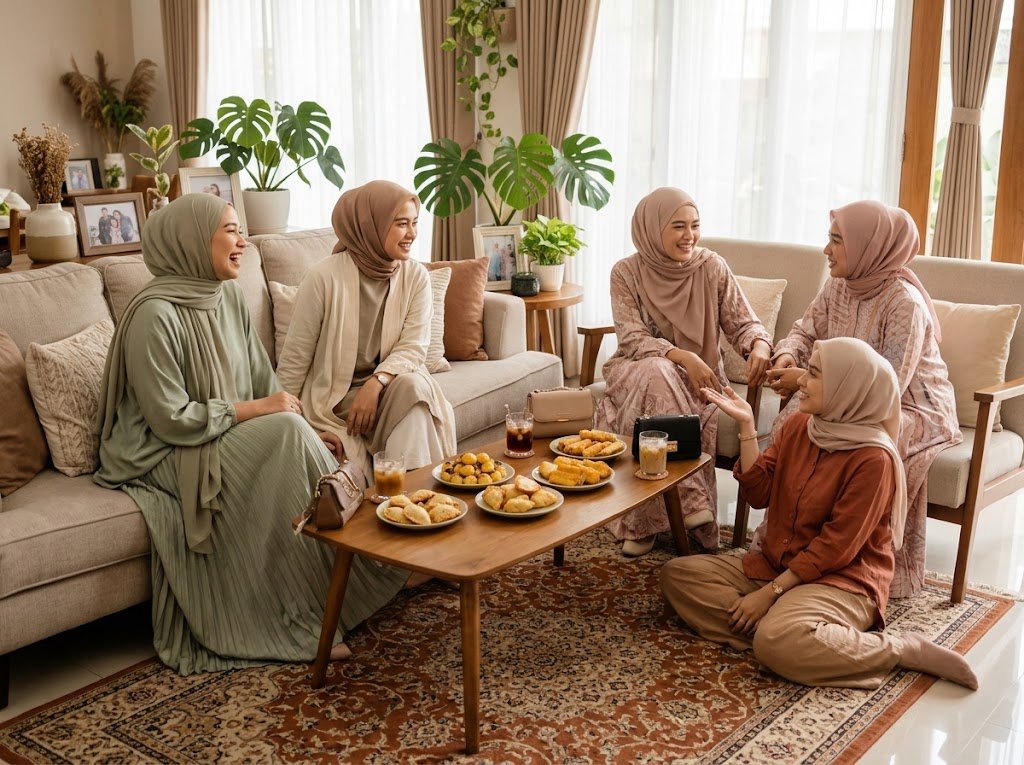
Hello, Salwa Besties! The evolution of modest fashion in the modern era has proven that adhering to Islamic dress codes never limits a woman’s creativity, independence, and elegance. Today, hijabs and modest Muslim apparel have become an integral part of a global lifestyle, radiating an aura of grace, beautiful silhouettes, and profound self-assurance.
The key to captivating modest wear lies in balancing Islamic principles with the selection of breathable fabrics suitable for tropical climates, alongside attire cuts that flatter your body shape. Let’s dive into practical tips for choosing comfortable modest clothing and hijabs for all-day wear!
Key Principles for Selecting Quality Modest Attire
1. Prioritize Soft, Breathable Fabrics?
Living in warm and humid regions necessitates intelligent fabric choices. Natural fibers such as Japanese cotton, cotton rayon, linen, and high-quality ceruty babydoll offer excellent air circulation, rapidly absorb perspiration, and prevent body odor during demanding activities.
2. Graceful, Non-Contouring Loose Silhouettes?
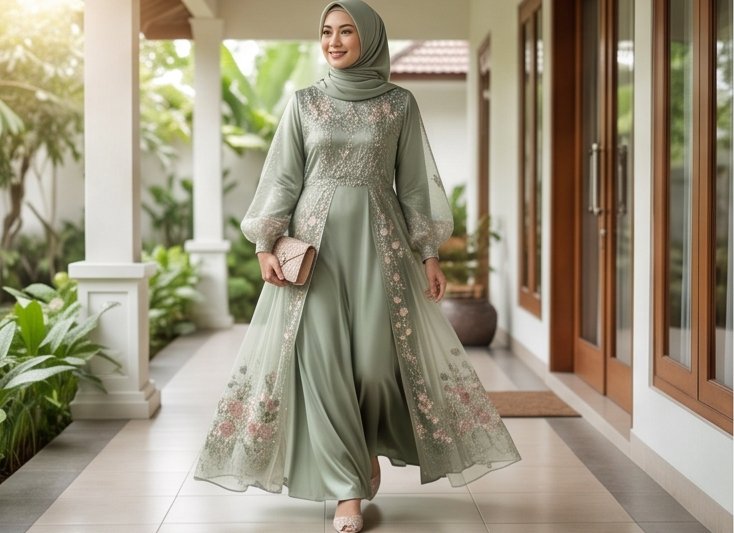
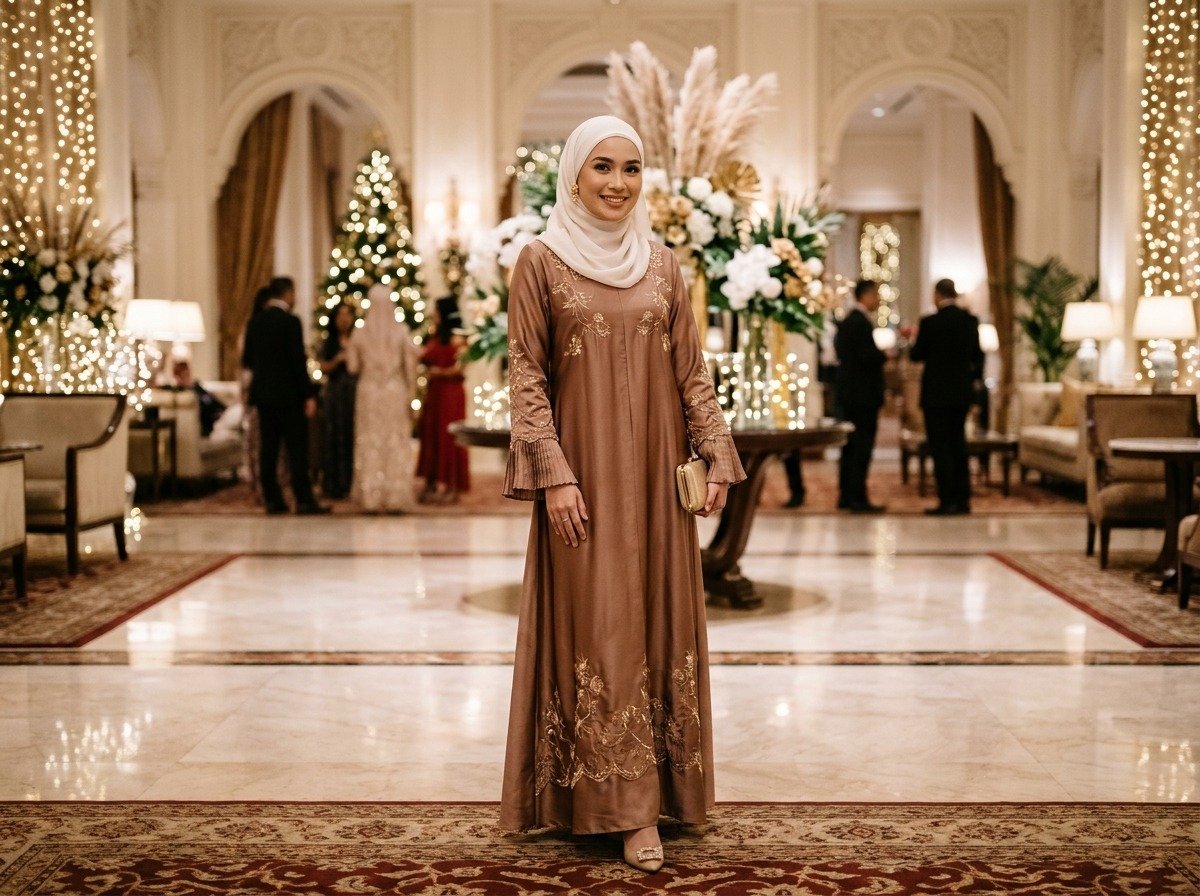
Opt for styles like A-line gowns, semi-oversized tunics, or modern abayas. Loose silhouettes not only allow for unrestricted movement during work or study but also create an illusion of a slender, tall, and modest physique.
3. Harmonious, Calming Color Palettes?
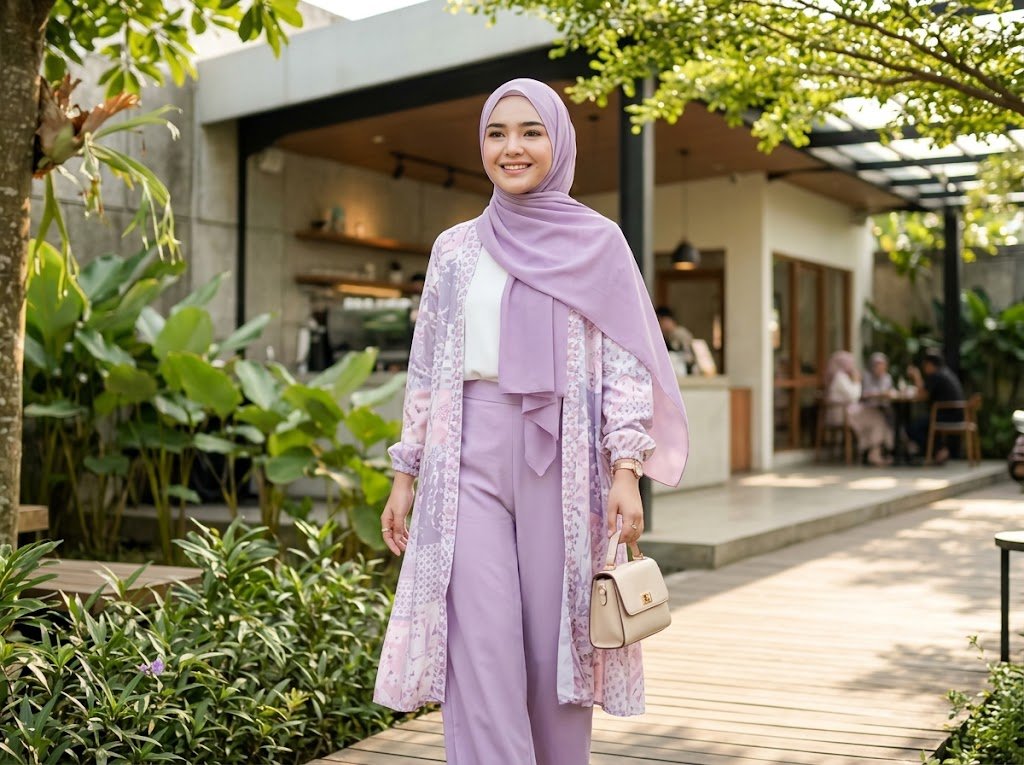
Explore soft color palettes such as earth tones, monochrome nuances (white, gray, black), and pastels (sage green, dusty pink, lavender). These are effortlessly mix-and-matchable and exude a serene elegance that soothes the eye.
Thermoregulation and Its Impact on Hair Shafts
Wearing layered modest attire in hot urban weather demands special attention to fabric ventilation. When clothing traps body heat, perspiration vapor rises to the neck and nape area, leading to a consistently damp scalp beneath the hijab. This humid environment weakens hair follicles and can trigger shedding of wet hair strands. Choose linings and hijab underscarves made from natural cotton fibers that facilitate optimal air circulation.
Tips for Maintaining Scalp and Hair Health Under the Hijab
- Ensure Hair is Completely Dry Before Wearing Hijab: Never tie or cover hair when it’s still damp after washing, as this can lead to dandruff, scalp fungal infections, and musty odors.
- Use Cotton or Soft Knit Hijab Underscarves (Ciput): Cool underscarves prevent direct friction between the hijab fabric and hair, reducing the risk of hair breakage and headaches.
- Regularly Indulge in Salon Hair Spa Treatments: Treat your scalp to specialized hair spa treatments for hijab-wearing women at a salon once a month to enhance blood circulation and refresh the scalp.
Frequently Asked Questions About Modest Attire and Hijabs (FAQ)
What hijab material holds its shape best on the forehead and doesn’t shift easily?
Square hijabs made from ultrafine voal or premium paris fabric are champions for a neat, all-day look. Their dense weave is lightweight and holds perfectly on the forehead without the need for stiffening sprays.
How can I style patterned modest outfits without looking too busy?
If you’re wearing a heavily patterned abaya or tunic, opt for a plain square hijab in a neutral color that matches the base color of the outfit’s pattern.
Is modest fashion suitable for pairing with sneakers?
Absolutely! Pairing a casual abaya or a pleated skirt with white lace-up sneakers creates a trendy, dynamic, and incredibly comfortable athleisure look perfect for walking.

Tinggalkan Balasan