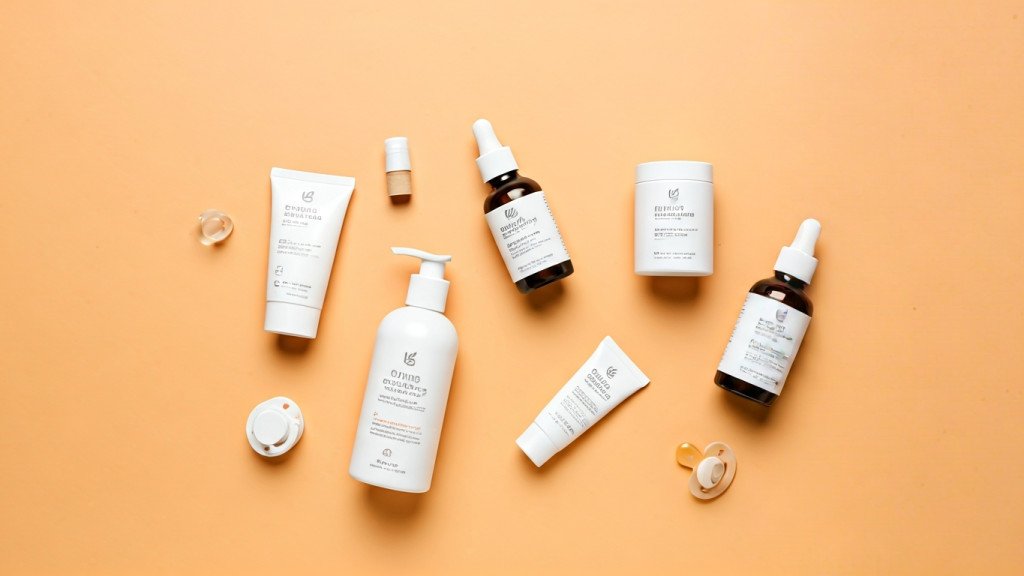
Postpartum hormonal surges of prolactin and estrogen fluctuations often trigger sudden cystic acne, dark melasma, and skin dehydration precisely when you need to be extra cautious about topical products. The concern that cosmetic chemicals can be absorbed into the bloodstream and affect breast milk quality frequently leads new mothers to neglect their own skin health.
- 4.1 Is it permissible for breastfeeding mothers to use AHA or BHA exfoliating products?
- 4.2 Why are vitamin A derivatives (retinoids) strictly prohibited during breastfeeding?
- 4.3 How can dark melasma that appears after childbirth be faded?
- 4.4 When is the appropriate time to consult a specialist dermatologist for postpartum skin concerns?
Skincare safe for breastfeeding mothers comprises products free from high-concentration synthetic retinoid derivatives, hydroquinone, and high-dose salicylic acid, prioritizing active ingredients with a safe profile such as niacinamide, azelaic acid, hyaluronic acid, and bakuchiol.
Percutaneous Absorption Physiology During Lactation
While most topical cosmetic molecules primarily act on the outermost stratum corneum layer, certain very small molecular weight or lipid-soluble active substances can penetrate the capillary blood vessels in the dermal layer. Substances entering systemic circulation have the biological potential to be excreted in small amounts into breast milk.
Therefore, caution in selecting active ingredients is not based on excessive anxiety but on the principle of clinical prudence to protect the developing infant’s digestive and metabolic systems. Breastfeeding mothers require treatment formulations that effectively stabilize the skin barrier without posing a risk of systemic toxicity.
Postpartum skincare focus should be directed towards three main pillars: deep cellular hydration to combat dry skin, suppression of hormonal acne inflammation using gentle antibacterials, and stringent ultraviolet protection to prevent melasma from darkening.
Active Ingredients Proven Safe by Dermatological Consensus
To address inflamed acne and clogged pores, azelaic acid at a concentration of ten to twenty percent is the gold standard, deemed safe by dermatologists. Azelaic acid works by eradicating Cutibacterium acnes bacteria while simultaneously fading dark spots without harmful absorption into blood plasma.
As a substitute for retinol in maintaining skin elasticity and addressing fine lines, the botanical compound bakuchiol is an ideal alternative. Bakuchiol stimulates collagen genetic pathways similarly to retinol without triggering skin irritation side effects or teratogenic risks.
Niacinamide, or vitamin B3, at a concentration of two to five percent is highly recommended for strengthening natural ceramide synthesis and calming sensitive skin barrier redness. Meanwhile, hyaluronic acid of various molecular weights is responsible for binding water within the skin tissues, leaving the complexion looking plump and refreshed.
| Active Ingredient Category | Ingredients Deemed Safe | Ingredients to Strictly Avoid |
|---|---|---|
| Acne Management | Azelaic Acid, Benzoyl Peroxide (low dose) | Oral/Topical Retinoids, High-Concentration Salicylic Acid |
| Dark Spot Brightening | Niacinamide, Vitamin C, Tranexamic Acid | Pure Hydroquinone, High-Concentration Arbutin |
| Rejuvenation & Elasticity | Botanical Bakuchiol, Bioactive Peptides | Retinol, Retinaldehyde, Tretinoin |
| Hydration & Skin Barrier | Hyaluronic Acid, Ceramides, Pure Glycerin | Strongly Fragranced Essential Oils Without Dilution |
Fatmawati Tahir — Practitioner & Beauty Editor at Salwa Salon: Breastfeeding mothers’ skin tends to be far more reactive due to hormonal changes. Always perform a patch test on your lower jawline for twenty-four hours before using a new brightening serum, and avoid applying any facial skincare products to the breast area that comes into direct contact with the baby’s mouth.
Learn practical steps to restore the skin’s compromised protective layer in our article on how to care for a damaged skin barrier.
Ensure your daily skin protection is free from hyperpigmentation risks with our guide to recommended sunscreens for mature skin.
Practical Daily Routine Guide for Breastfeeding Mothers
Begin your morning by cleansing your face with a gentle, sulfate-free foaming cleanser, then proceed to apply a vitamin C or niacinamide serum to still-damp skin. Lock in this hydration with a gel-cream textured moisturizer containing synthetic ceramides.
Apply a physical sunscreen formulated with zinc oxide or titanium dioxide with a minimum SPF of thirty every morning. Physical sunscreens work by reflecting ultraviolet radiation on the skin’s surface without being absorbed into the epidermal tissues.
Frequently Asked Questions (FAQ)
Is it permissible for breastfeeding mothers to use AHA or BHA exfoliating products?
Low-concentration glycolic or lactic acid below ten percent is safe for use once or twice weekly. However, high-concentration salicylic acid should be limited or entirely replaced with azelaic acid, which has a superior safety profile.
Why are vitamin A derivatives (retinoids) strictly prohibited during breastfeeding?
Although the absorption rate of topical retinoids into the bloodstream is considered low, the risk of synthetic retinoid compound accumulation in the infant’s body can interfere with the development of vital organ tissues, leading health experts to unanimously prohibit their use.
How can dark melasma that appears after childbirth be faded?
Combine the regular application of niacinamide and azelaic acid serums in the morning and evening, and diligently reapply physical sunscreen every three hours. Hormonal melasma will generally fade gradually as the body’s hormonal cycle stabilizes.
When is the appropriate time to consult a specialist dermatologist for postpartum skin concerns?
You are advised to consult a dermatologist if hormonal acne becomes severely inflamed, developing into painful, pus-filled nodules, or if widespread itchy rashes appear that do not improve after two weeks of self-care with gentle moisturizers.



Tinggalkan Balasan