In recent years, a wave of natural lifestyle trends across various social media platforms has birthed a rather extreme hair care movement sparking widespread debate: the no-poo movement, or the practice of washing hair without using conventional shampoo at all. Proponents of this method claim that detergents and sulfates in chemical shampoos damage the scalp’s natural ecosystem, and by ceasing shampoo use, the scalp will independently balance its natural oil production, resulting in healthier, thicker hair.
However, behind these seemingly promising claims, dermatologists and scalp health experts issue stern warnings regarding serious medical risks, particularly for individuals residing in humid and warm tropical climates.
Understanding the Concept of the No-Poo Movement and How It Works
The no-poo movement literally refers to the elimination of shampoo products containing synthetic surfactants. As a substitute, practitioners typically rinse hair with pure water only (water-only method), use conditioner alone (co-washing), or utilize alternative kitchen ingredients like a mixture of baking soda and apple cider vinegar.
Its underlying philosophy is rooted in the belief that ancient humans did not require modern chemical products to have healthy hair. However, this theory often overlooks the fact that modern humans are exposed to higher levels of urban air pollution, micro-dust particles, chemical styling products, and different sweat production rates.
Real Medical Impacts of Washing Hair Without Shampoo in Tropical Climates
1. Sebum Buildup and Malassezia Fungus Proliferation
Plain water alone is insufficient to dissolve accumulated lipids and scalp sebum. This trapped oil becomes a rich food source for the scalp’s natural fungus, Malassezia restricta. When this fungus proliferates uncontrollably, it produces free fatty acids that trigger severe inflammation, thick greasy dandruff, and seborrheic dermatitis.
2. Hair Follicle Blockage and Risk of Folliculitis
Sweat, dead skin cells (keratinocytes), pollution dust, and sebum that are not regularly removed can accumulate, forming a waxy crust at the opening of hair follicles. This condition can lead to painful bacterial infections (folliculitis) presenting as pustular acne-like bumps on the scalp.
3. Severe Itching and Hair Loss Due to Scratching
Chronic inflammation and dirt buildup cause unbearable itching. The habit of aggressively scratching the scalp can injure the scalp tissue and forcibly pull hair strands from their roots, accelerating hair thinning.
4. Danger of Cuticle Damage from Baking Soda Use
Many no-poo followers use a baking soda solution as a cleanser. Chemically, baking soda has a highly alkaline pH (around 9.0). Applying a high-alkaline substance to the scalp, which has a naturally acidic pH (around 5.5), will forcibly open and permanently damage the hair cuticle scales, rendering hair strands extremely brittle, dry, and prone to breakage.
A Healthy Alternative: Gentle Sulfate-Free Surfactant-Based Cleansers:
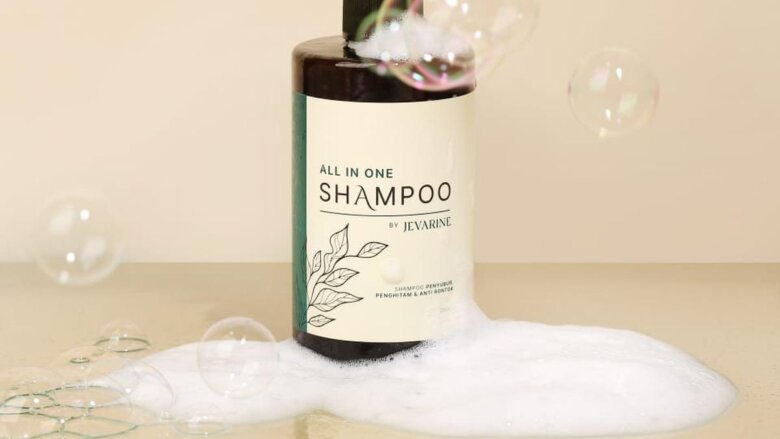
Rejecting harsh chemicals does not mean completely abandoning scalp cleansing. For urban dwellers in tropical climates, the scalp absolutely requires regular cleansing to maintain hygiene. The best dermatologically aligned solution is to switch to gentle, sulfate-free shampoos formulated with natural surfactants derived from coconut oil or plant-based sugars that can effectively cleanse excess sebum without stripping the scalp’s natural acid mantle. — Salwa Salon Editorial Team
When Can Co-Washing Be Applied?
Washing hair with conditioner only (co-washing) has beneficial exceptions for specific conditions:
- Extremely Dry Curly Hair (Type 3 and 4): Very dry and naturally curly hair strands require extra moisture, so the co-washing method can be interspersed between regular shampoo washings.
- Still Requires Periodic Clarifying Shampoo: Even for curly hair owners, washing hair with a clarifying shampoo once a month remains essential to remove conditioner residue buildup.
Frequently Asked Questions About the No-Shampoo Washing Trend (FAQ)
Can the scalp truly balance its own oil production without shampoo?
Oil production is regulated by internal genetic hormones (androgens), not by how often you shampoo. Stopping shampoo use does not stop oil glands from producing sebum; the sebum will simply accumulate on the scalp.
How long is the adaptation period for the no-poo movement?
Many practitioners report a transition phase of excessive oiliness and greasiness lasting 2 to 6 weeks. However, for most people in tropical climates, this phase often leads to seborrheic dermatitis requiring medical treatment.
Is warm water sufficient to cleanse hair oil?
Warm water only softens oil; however, chemically, water molecules cannot bind with oil molecules without the aid of cleansing surfactants.
How can scalp health be maintained if exercising daily?
If you exercise and sweat daily, rinse your hair with cool, clean water after exercising, and use a mild, gentle shampoo every other day.