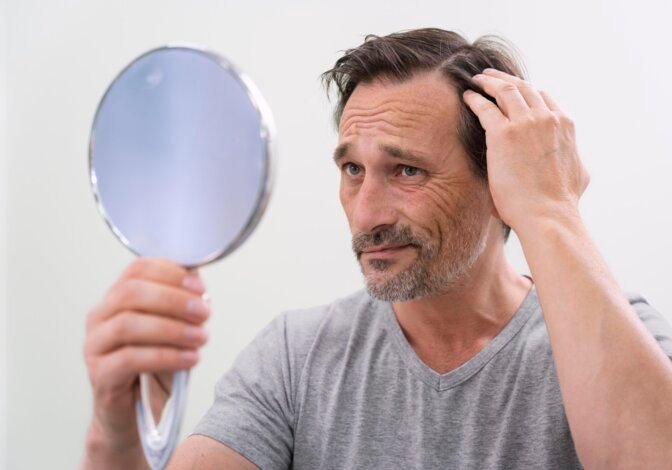
Discovering clumps of hair in the shower drain, clinging to your comb, or scattered across your pillow often triggers profound concern for anyone. A normal amount of hair shedding (approximately 50 to 100 strands per day) is actually a natural part of the human body’s physiological regeneration cycle.
However, when the volume of shed hair drastically increases and the density of your crown visibly diminishes, many individuals immediately panic, blaming genetics or their shampoo. In numerous clinical cases, however, excessive hair loss is rooted in seemingly minor daily habits that unknowingly damage hair follicles and hair shafts.
Understanding Mechanical and Thermal Stress on Hair Follicles
Hair roots are embedded within follicles situated several millimeters beneath the scalp’s surface. These follicles are enveloped by a network of microvasculature and highly sensitive nerve fibers that react to physical traction, inflammation, and sudden temperature fluctuations.
When hair strands are subjected to constant mechanical stress or excessive heat, the keratin fibers in the hair shaft weaken, and the follicles experience physical stress trauma. This forces the follicles into an premature resting phase (telogen), triggering premature hair release (telogen effluvium).
5 Daily Habits You Must Avoid
1. Combing Wet Hair Immediately After Washing?
When hair is saturated with water, the internal hydrogen bonds that hold the keratin structure together are at their most fragile and loose. Hair elasticity significantly increases, meaning a comb with dense teeth can stretch strands beyond their elastic limit, causing breakage mid-shaft. Always allow hair to air dry to about 70-80% before gently detangling with a wide-tooth comb.
2. Tying Hair Too Tightly (Traction Alopecia)?
The habit of wearing extremely tight ponytails, high-density buns, or using rubber hair ties without fabric coverings exerts constant tension on the hairline and temples. In the long term, this traction stress leads to permanent follicle damage (traction alopecia), causing the hairline to recede.
3. Drying Hair by Rubbing with a Coarse Towel?
Many people have a habit of drying their hair by wringing and vigorously rubbing it with a thick, coarse cotton bath towel. This harsh mechanical friction erodes the protective cuticle scales, leading to split ends, tangles, and breakage at multiple points. Switch to a soft microfiber towel or a clean cotton t-shirt, and gently blot instead of rubbing.
4. Washing Hair with Overly Hot Water?
Hot showers can feel incredibly soothing after a long day. However, pouring hot water directly onto your scalp can strip away the scalp’s natural lipid barrier, compromise the protective moisture of the follicles, and trigger severe dehydration, leaving hair roots limp and prone to shedding with touch.
5. Using Heat Styling Tools Without Thermal Protection?
Flat ironing or blow-drying hair at maximum heat without applying a heat protectant causes the residual moisture within the hair cortex to boil instantly. This phenomenon creates microscopic air pockets within the hair fibers (known as bubble hair), making the hair extremely brittle and prone to flaking when combed.
The Importance of Choosing Hair-Friendly Accessories:
A simple step that can have a remarkable restorative impact on hair loss is replacing all standard rubber bands with scrunchies made from pure mulberry silk or high-quality satin. The ultra-smooth silk surface minimizes friction on the hair cuticle, avoids leaving stiff creases, and doesn’t pull on the hair roots when removed. Also, take time to give your hair a break by letting it hang loose when you’re at home. — Salwa Salon Editorial Team
Essential Nutritional Patterns for Strengthening Hair Roots
Nourish your hair follicles from within through daily intake:
- High-Quality Protein Intake: Since 90% of hair strands are composed of keratin protein, consuming eggs, marine fish, tofu, tempeh, and lean meats provides the primary building blocks for new hair growth.
- Iron and Zinc: Iron deficiency (anemia) is one of the most common medical causes of hair loss in women; ensure adequate intake from dark leafy greens, spinach, and chicken liver.
- Biotin and Omega-3 Fatty Acids: These help maintain hair strand elasticity and scalp lipid barrier health, and can be obtained from almonds, chia seeds, and mackerel.
Frequently Asked Questions (FAQ)
How many strands of hair loss are still considered normal per day?
Shedding between 50 to 100 strands per day remains within the normal physiological limits of the human hair growth cycle.
Is washing hair every day a trigger for hair loss?
Not necessarily. Hair shedding during shampooing involves strands that are already in the telogen (shedding) phase. As long as a gentle formula shampoo is used, regular washing actually helps keep pores clear of oil buildup.
Can hair lost due to tight hairstyles grow back?
Yes, it can grow back if the habit of tight styling is immediately discontinued before permanent scar tissue forms in the hair follicles.
When is the right time to consult a doctor about hair loss?
If hair loss consistently exceeds 150 strands per day for more than two months, or if you notice circular bald patches (smooth alopecia areata), consult a dermatologist immediately.
Conclusion
Addressing hair loss is not merely about switching shampoo bottles; it’s about cultivating full awareness to treat every strand of your crown with gentleness. By eliminating damaging daily habits and providing adequate nutrition, strong, voluminous, and healthy hair will be yours again.




