Managing inflammatory acne is a self-care journey that often demands extra patience. However, once the redness of acne finally subsides, a new problem frequently emerges: dark spots or post-inflammatory hyperpigmentation (PIH) and post-inflammatory erythema (PIE) that linger on the skin’s surface.
These conditions can often tempt us to immediately reach for high-concentration brightening products or aggressive exfoliating agents. Yet, skin that has just recovered from acne inflammation is in a highly fragile state, with a compromised skin barrier. Selecting a dual-function serum formula—one that can calm inflammation while gradually fading dark spots without disrupting natural moisture levels—is the true key to skin recovery.
Understanding Why Acne Scars Require Gentle Treatment
When pores become clogged and infected by the bacterium Cutibacterium acnes, the body’s immune system dispatches white blood cells to combat the infection. This inflammatory response stimulates melanocyte activity in the basal layer of the skin to produce excess melanin as a form of emergency tissue protection.
If you apply harsh acids or overly concentrated exfoliating ingredients during this early recovery phase, your skin will perceive this treatment as a new threat. Consequently, secondary inflammation will be triggered, and acne scars will actually darken and take months longer to fade.
Key Active Ingredients: A Balance Between Anti-Inflammatory and Brightening
A smart combination of active ingredients should prioritize skin tissue repair before focusing on spot reduction:
1. Moderate Concentration Niacinamide (Vitamin B3)
Niacinamide is one of the most versatile active ingredients in modern dermatology. At moderate concentrations (around 2 to 5 percent), niacinamide effectively inhibits melanosome transfer from melanocytes to keratinocytes, while simultaneously stimulating natural ceramide synthesis to reinforce a compromised skin barrier. Avoid excessively high concentrations (such as 10 or 12 percent) that are prone to causing stinging sensations on sensitive, recovering skin.
2. Centella Asiatica Extract and Madecassoside
Widely known as “pegagan” in Indonesia, this medicinal plant is rich in triterpenoid compounds like asiaticoside and madecassoside. These compounds accelerate collagen synthesis to restore sunken skin texture, suppress pro-inflammatory cytokines, and rapidly calm redness from active acne lesions.
3. Tranexamic Acid
Tranexamic acid works by suppressing plasmin enzyme activity, which is stimulated by ultraviolet radiation and inflammation. This mechanism effectively halts the formation of brownish patches without causing skin peeling or dryness as side effects.
4. Micro Encapsulated Tea Tree Oil and Encapsulated Salicylic Acid
To prevent new acne breakouts in surrounding areas, encapsulated (time-release) salicylic acid works to gently cleanse sebum residue within pores without shocking the outer epidermis. This approach ensures a controlled and sustained exfoliation.
Serum Application Order in Your Daily Routine
To ensure your serum formula works with maximum efficacy, follow the correct application order:
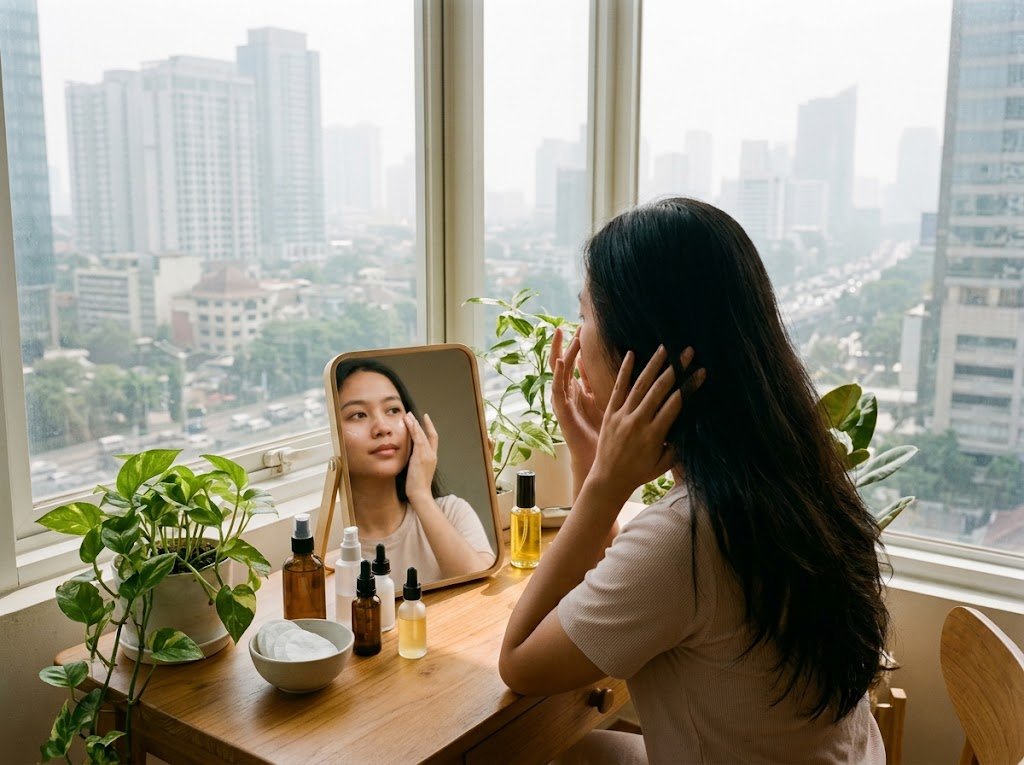
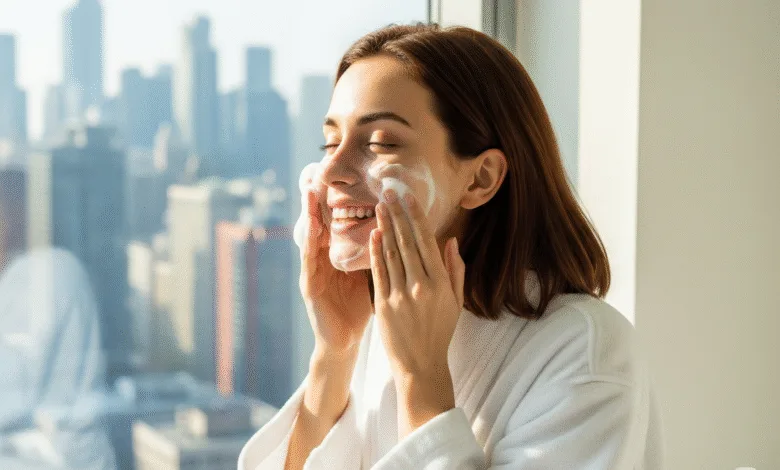
- Apply to Damp Skin: After cleansing your face with a pH-balanced cleanser, gently pat a hydrating toner onto your face. Apply 2 to 3 drops of serum while your skin still feels slightly damp to facilitate the absorption of active molecules.
- Pat Gently, Don’t Rub: Distribute the serum across your entire face by gently patting it with warm palms. Avoid pressing on active pustules.
- Seal with a Barrier Moisturizer: Follow up with a gel-cream textured moisturizer rich in ceramides or panthenol to lock in active ingredients within the epidermis and prevent transepidermal water loss (TEWL).
- Be Disciplined with Sunscreen: Morning sunscreen is an absolute, non-negotiable requirement. Sun exposure without protection will exacerbate acne scar pigmentation, rendering all your serum efforts futile.
Salwa Salon Editorial Note: Healing acne and its aftermath is an exercise in cultivating acceptance and diligence. Your skin needs time to renew its cells naturally every 28 days. Be patient with the process; treat your face with gentleness, not with anger over perceived imperfections.
Questions About Acne and Dark Spot Serums
Can I use a brightening serum while still having active inflammatory acne?
Yes, provided the serum is formulated with anti-inflammatory ingredients like niacinamide and centella asiatica. Delay the use of pure ascorbic acid (pure vitamin C) brighteners until active acne lesions have matured and subsided.
How long does it take for dark acne spots to fade?
With consistent treatment and daily sunscreen protection, dark spots (PIH) generally begin to show noticeable fading within 4 to 8 weeks of regular use.
Can acne serums be used in both the morning and evening?
They are generally safe for twice-daily use, as long as the formula does not contain photosensitive ingredients and you consistently apply sunscreen in the morning.
Embrace your skin’s recovery journey with tranquility. With the right formula selection and disciplined self-care, clear, calm, and healthily radiant skin will once again become a beautiful gift in your daily life.