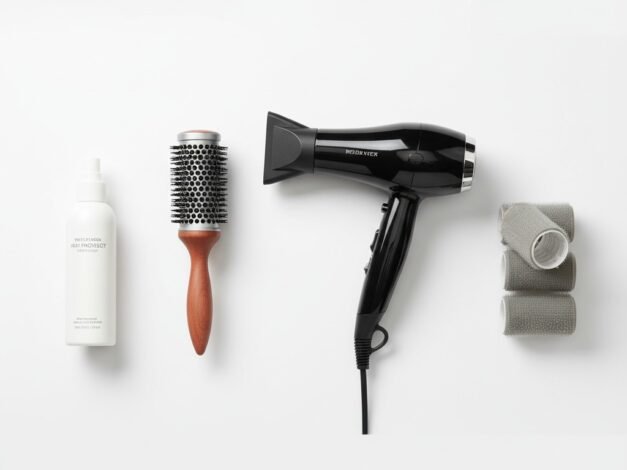
For the modern woman, heat-based styling tools such as hair dryers, flat irons, and curling wands have become indispensable allies in enhancing daily appearance. These tools can transform dull hair into a voluminous, sleek, or smooth style in mere minutes.
However, behind this instant convenience, uncontrolled exposure to high temperatures is the primary culprit behind keratin structure damage. Understanding how to select safe, modern heat styling tools and implementing thermal protection protocols will preserve your hair’s natural moisture without the risk of split ends or heat damage.
How Does Heat Alter Hair Keratin Structure?
Hair strands are composed of keratin protein, linked by hydrogen and disulfide bonds. Heat from styling tools works by temporarily breaking these hydrogen bonds, allowing hair’s shape to be manipulated—from curly to straight, or straight to wavy—before the bonds re-lock as the hair cools.
The danger arises when the temperature of the flat iron plates exceeds a critical threshold of 180 degrees Celsius. At this extreme heat point, the water content within the hair cortex rapidly evaporates, the cuticle layer becomes compromised and fractured, and the keratin protein undergoes irreversible structural denaturation.
Crucial Features Every Quality Heat Styling Tool Must Have
1. Precision Digital Temperature Control
Avoid purchasing inexpensive flat irons or hair dryers with only an on/off button and no temperature adjustment options. A quality styling tool should be equipped with a precision digital temperature display, allowing you to customize the heat according to your hair type: 120–150°C for fine/thin hair, and 160–180°C for thick, wavy hair.
2. Ceramic Tourmaline Plates
Standard metal plates tend to create uneven heat distribution (hot spots) that can instantly scorch sections of hair. Pure ceramic-coated plates distribute heat consistently and evenly. The addition of tourmaline minerals generates natural negative ions that neutralize static electricity, seal the cuticle, and deliver a smooth, frizz-free, glossy finish.
3. Titanium Plates for Very Thick and Coarse Hair
For individuals with extremely thick, tightly coiled, or unmanageable hair, titanium metal plates offer exceptionally fast and stable heat conduction. A single, gentle pass through each section of hair is sufficient, eliminating the need for multiple passes over the same area.
4. Smart Anti-Scorch Sensor Technology
The latest generation of styling tools now features micro-heat sensors that scan hair strand moisture levels up to thirty times per second. These sensors automatically reduce plate temperature if they detect critical drying, preventing thermal damage to the hair fibers.
Mandatory Protocol: Never Flat Iron Damp Hair:
Hearing a sizzling sound, akin to frying oil, when the flat iron plates clamp onto your hair strands is a genuine warning sign. This sound indicates that water molecules within the hair are rapidly boiling and rupturing the cuticle walls from the inside out (the “bubble hair effect”). Ensure your hair is completely dry from root to tip before applying a flat iron, and always apply a heat protectant spray beforehand. — **Salwa Salon Editorial Team**
Hair Damage Minimizing Usage Techniques
Divide your hair into small sections using clips before you begin styling. Attempting to style overly thick sections at once leads to uneven heat distribution and forces you to repeat passes.
Glide the flat iron smoothly through each section without pausing on any single point for more than two seconds. Additionally, limit the use of heat styling tools to a maximum of two to three times per week, allowing your hair to rest and enjoy its natural texture on off-days.
Frequently Asked Questions (FAQ)
Are heat protectant products truly effective in safeguarding hair?
Highly effective. Water-soluble silicone polymers in heat protectant formulas create a thin barrier layer that slows direct heat transfer to the hair’s core by up to fifty percent.
What is the maximum safe temperature for flat ironing color-treated hair?
For hair that has undergone chemical coloring or bleaching, the recommended maximum temperature is 150 degrees Celsius to prevent color pigment fading and hair breakage.
Which is safer for hair, ceramic or titanium plates?
Ceramic plates are generally much safer and more suitable for daily use on normal to dry hair, while titanium is better suited for very thick hair and professional salon use.
How do I clean product residue from flat iron plates?
Once the tool is cool and unplugged, wipe the plates with a cotton pad lightly dampened with rubbing alcohol to dissolve any residual oils and hairspray.
A Reassuring Conclusion
Heat styling tools are valuable aids for enhancing appearance and should be used wisely and responsibly. By selecting safe, technologically advanced devices and treating each strand of hair with utmost protection, you can confidently achieve your dream hairstyles without compromising their health.