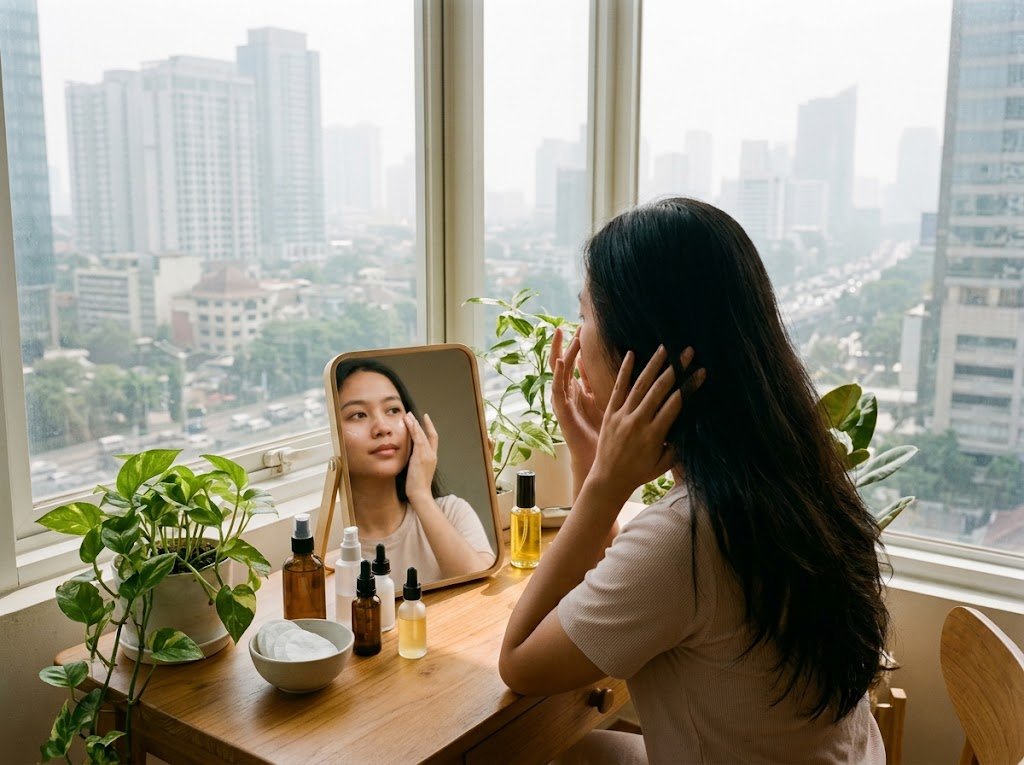
In this digital era, with the ease of access to online shopping platforms and the prevalence of cosmetic live shopping streams on social media, purchasing skincare products has become incredibly simple, requiring just a few taps of the finger. Flash sales, attractive bundle deals, and viral reviews from beauty influencers promising radiant, flawless skin in days often trigger irresistible impulsive buying urges. Consequently, many women find their vanities cluttered with dozens of unused serums, toners, and moisturizers that eventually expire.
Blindly purchasing beauty products without a plan not only drains household finances but also poses real risks to your facial skin’s health. Using too many products with conflicting active ingredients—such as haphazardly mixing retinol, vitamin C, and AHA/BHA acids—can severely compromise your skin barrier, leading to stinging irritation and inflamed acne. Cultivating smart, planned skincare purchasing habits based on genuine biological needs is a wise step towards maintaining healthy skin and a healthy wallet.
Practical Steps to Becoming a Savvy Skincare Consumer
Implement self-evaluation discipline before committing to a purchase:
1. The 48-Hour Rule?
When you see a new trending skincare product on social media, resist the urge to hit “buy” immediately. Add the product to your shopping cart and give yourself a two-day cooling-off period. Often, after the initial excitement subsides, you’ll realize you don’t truly need the product at this moment.
2. Finish What You Have First (The Pan-It Philosophy)?
Commit to using your current cleanser or moisturizer until the very last drop before purchasing a new replacement. This principle fosters gratitude, reduces packaging waste, and allows ample time for the product to demonstrate its biological efficacy on your skin.
3. Master Ingredient Literacy?
Learn to read the ingredient list on the packaging instead of solely relying on the promotional claims on the front. Understand which active ingredients your skin truly needs—for instance, ceramides for hydration or centella asiatica for calming acne—and ensure these ingredients are listed prominently near the top of the ingredient deck.
Managing Your Beauty Budget Healthily
Effective self-care should go hand-in-hand with financial stability:
- Establish a Dedicated Monthly Beauty Budget: Allocate approximately five to ten percent of your monthly income for cosmetic purchases and strictly adhere to this limit to maintain household financial stability.
- Prioritize Spending on Three Fundamental Products: Dedicate the largest portion of your budget to the three most essential foundational products: a gentle facial cleanser, an effective skin barrier-repairing moisturizer, and a high-SPF sunscreen that’s comfortable for daily morning application.
- Utilize Travel-Size Packaging for Trial: If you’re keen to try a new, higher-priced product, opt for a mini or sample size first to ensure it suits your skin without significant financial risk should an adverse reaction occur.
Life’s tranquility is rooted in our ability to distinguish between genuine needs and fleeting desires. When we manage what we have with gratitude and wisdom, every dollar spent becomes a blessing for our bodies and families.
Avoiding the Pitfalls of Misleading Promotions and Illicit Products
Your body’s biological safety is an absolute, non-negotiable priority:
Ensure the Presence of Official Regulatory Approval Numbers
Never be tempted by inexpensive, instant whitening creams that lack official notification numbers from regulatory bodies (like the FDA in the US, or equivalent agencies elsewhere). Illicit products often contain dangerous mercury or hydroquinone, which can damage kidneys and trigger skin cancer.
Purchase Only from Official Retailers and Trusted Distributors
Buy products from the brand’s official stores or reputable beauty salons to avoid the proliferation of counterfeit cosmetic products that can harm your facial skin’s health.
Frequently Asked Questions About Skincare Purchasing
What is the average shelf life of skincare products after opening?
Refer to the Period After Opening (PAO) symbol on the back of the packaging. Most serums and moisturizers are safe to use between six to twelve months after the initial seal is broken.
Are more expensive skincare products always better than affordable ones?
Not necessarily. A product’s effectiveness is determined by how well its formulation suits your skin type, not by the luxury of its packaging. Many budget-friendly local products boast exceptionally high-quality active ingredient formulations.
How can I declutter my overflowing vanity?
Check the expiration dates of all your products. Discard anything that has changed in smell, color, or texture. For moisturizers that are still good but not ideal for your face, repurpose them as body lotion for your hands and feet.
Is it safe to buy pre-order skincare products from overseas?
It can be safe if purchased through a trusted seller, but ensure the formulation is suitable for your local climate. Products from countries with four distinct seasons may have a consistency that is too thick and can clog pores in humid, warm conditions.
Intelligence in product selection brings peace of mind and renewed vitality to your complexion. Nurture your physical beauty with planned simplicity, and let your natural radiance shine with gratitude every day.