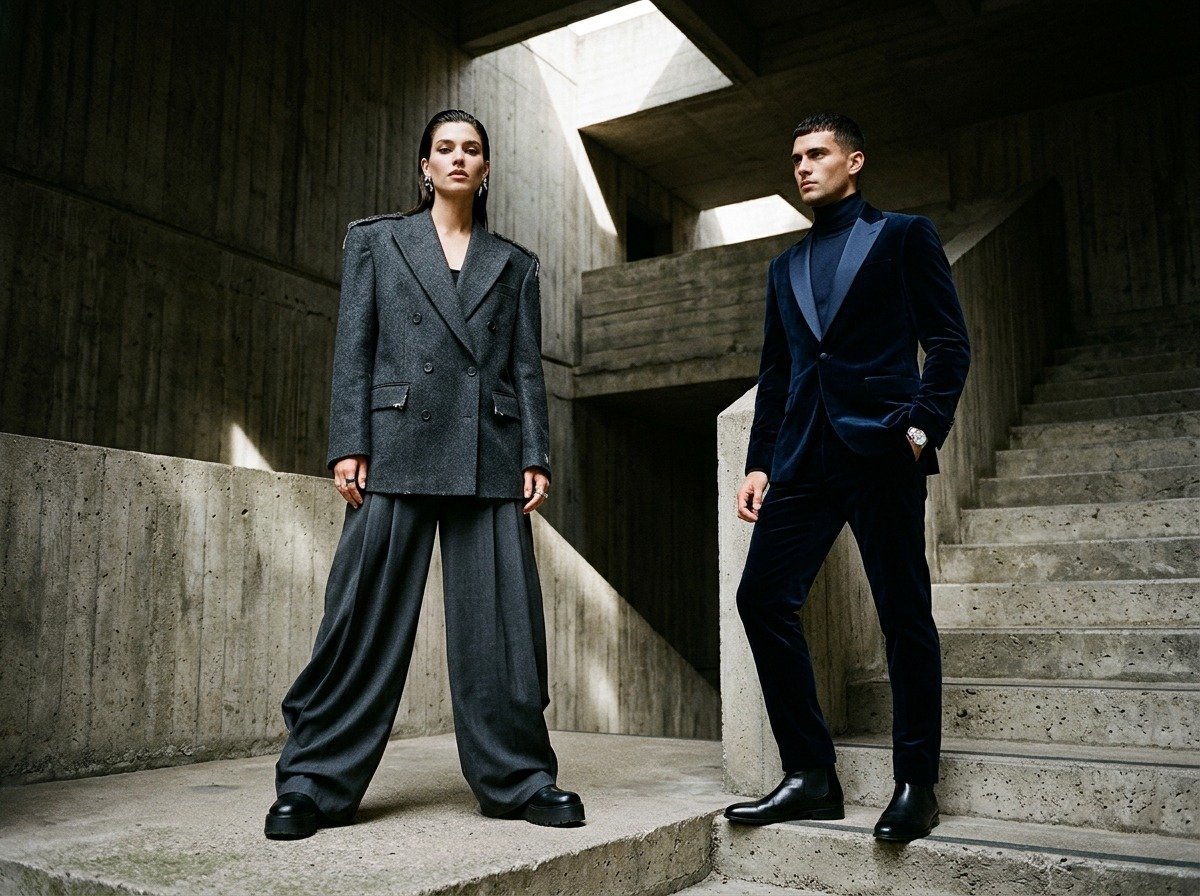
When a shimmering Palembang songket with its gold threads, a piece of Pekalongan coastal batik rich with the philosophy of the canting, or a Toraja ikat weave with its bold character gracefully graces the runways of Milan, Paris, and New York, a profound sense of pride swells in the hearts of every Indonesian. Traditional Indonesian textile art, or ‘wastra Nusantara,’ is no longer merely ceremonial attire of the past; it has transformed into a globally acclaimed fashion prima donna.
The presence of Nusantara textiles on the international fashion scene proves that our ancestral heritage possesses a universal beauty that transcends geographical boundaries and time. In the hands of talented designers with a global vision, the richness of traditional motifs is harmoniously blended with elegant, modest, and relevant contemporary silhouettes for modern life.
Life Philosophies Woven into Threads
What makes Nusantara textiles so captivating to international fashion connoisseurs and enthusiasts? Their allure lies in the profound spiritual narratives and life wisdom embedded within each motif pattern:
1. Batik Tulis: Meditation and Prayer in Every Wax Dot?
Batik is more than just a technique of applying wax resist to fabric; it is a high-level meditative art form. Classic motifs like ‘parang,’ ‘kawung,’ and ‘truntum’ embody philosophies of just leadership, purity of heart, and the hope for eternal and sincere love. It takes months of meticulous handwork by a batik artisan to complete a single piece of ‘batik tulis’ fabric.
2. Songket: The Gleam of Maritime Grandeur and Dignified Splendor?
The intricate weaving of gold and silver threads in Minangkabau and Palembang songket reflects the glory of past maritime civilizations. The geometric ‘pucuak rabuang’ (bamboo shoot) pattern teaches humility: that humans should be beneficial to others from youth to old age, much like a bamboo tree that always provides shade to the earth.
3. Tenun Ikat: Harmony with Nature and Steadfastness of Spirit?
Ikat weaving from Nusa Tenggara, Sulawesi, and Kalimantan is spun from natural cotton fibers and dyed using bark extracts and forest plant roots. The manual weaving process using traditional non-machine looms (ATBM) is a testament to the steadfast character of the women weavers who pass down the wisdom of maintaining harmony between humanity and the surrounding environment.
Contemporary Transformation: Bridging Tradition and Modernity
The greatest challenge in bringing Nusantara textiles to the global stage is dispelling the perception of them being stiff, heavy, or overly formal, which often clings to traditional attire. Today’s designers are meeting this challenge with fresh design creativity:
Batik fabrics are incorporated into relaxed-fit, structured blazer sets, comfortable for corporate meetings. Ikat weaves are transformed into elegant and dynamic A-line midi dresses or kimono-style outerwear for travel. Even songket scarves are artfully integrated as pleated accents on stunning floor-sweeping evening gowns.
The use of lighter fabric blends, such as Garut silk and Tencel cotton, ensures that garments made from Nusantara textiles remain cool, drape fluidly with movement, and do not weigh down the wearer during daily activities.
Nurturing the Sustainability of Traditional Artisan Communities
The world’s appreciation for Nusantara textiles has brought about a profoundly positive impact on the lives of thousands of artisans in remote areas. The wave of affection for these textiles has revived home-based weaving and batik centers that had previously fallen dormant.
Younger generations in rural areas are increasingly drawn to learning the art of the canting and sitting at the loom, proudly continuing their mothers’ professions. This economic empowerment demonstrates that cultural preservation can go hand-in-hand with dignified family welfare improvement.
Salwa Salon Editorial Note: Wearing Nusantara textiles is our way of embracing history and honoring the sincere prayers of our ancestors. When we adorn ourselves in woven fabrics or batik with pride, we are, in essence, articulating the identity of a noble, benevolent civilization rich in virtuous beauty.
Questions About Styling Nusantara Textiles
How can I style batik fabric so it doesn’t look too dated for a teenager?
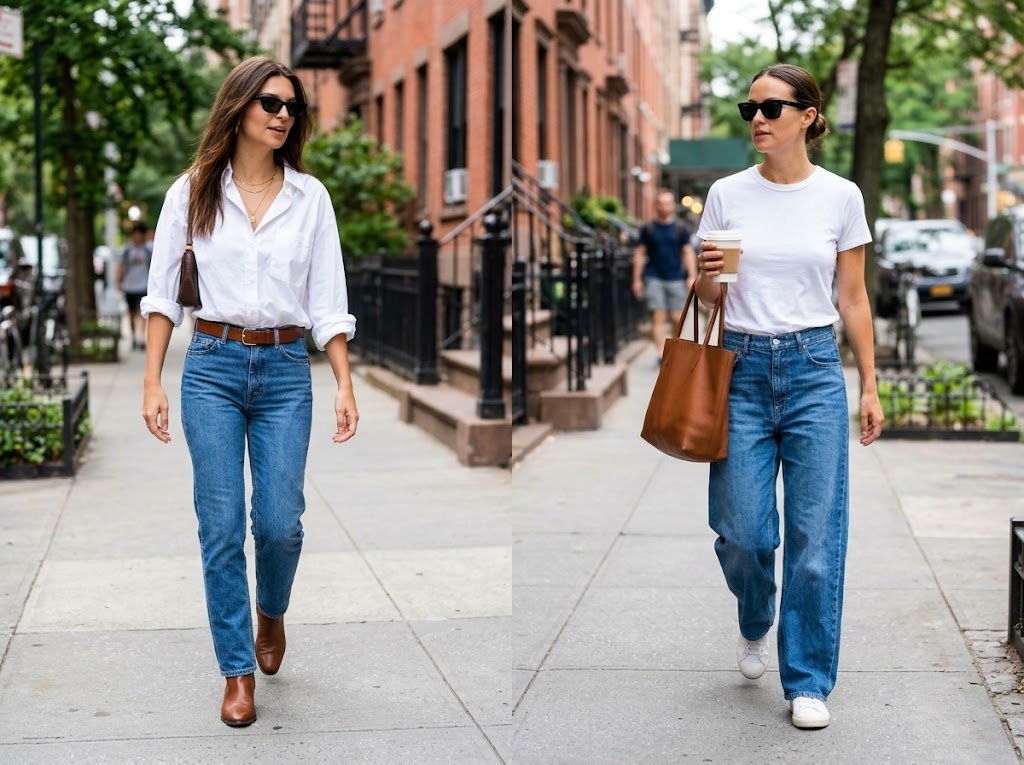
Pair a batik wrap skirt with bright or coastal motifs with a plain white t-shirt or an oversized cotton shirt and classic white sneakers.
How should I wash tenun and batik tulis fabrics to prevent color bleeding?
Use a natural batik detergent (like lerak) or water infused with ‘daun dilem.’ Wash gently by hand without harsh wringing, and always dry in a shaded area away from direct sunlight.
Is tenun textile suitable to be paired with a plain hijab?
Absolutely. Nusantara textiles, already rich in motifs and woven textures, will appear beautifully balanced and elegant when paired with a plain square hijab in a color that complements one of the threads in the weave.
Let us make Nusantara textiles an integral part of our daily lifestyle. By caring for and proudly wearing them, we ensure that the flame of our nation’s civilization continues to shine brilliantly on the world stage.