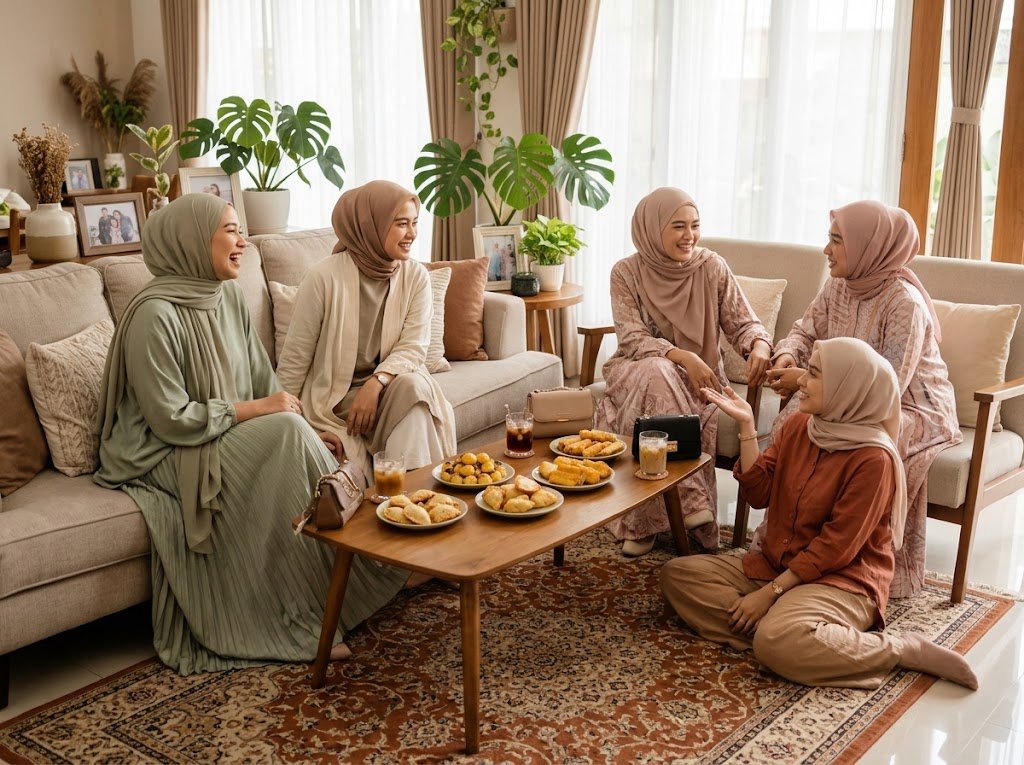
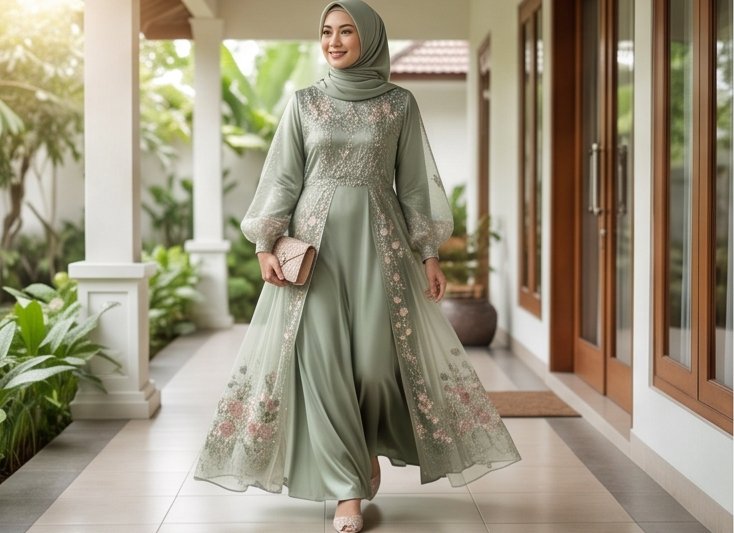
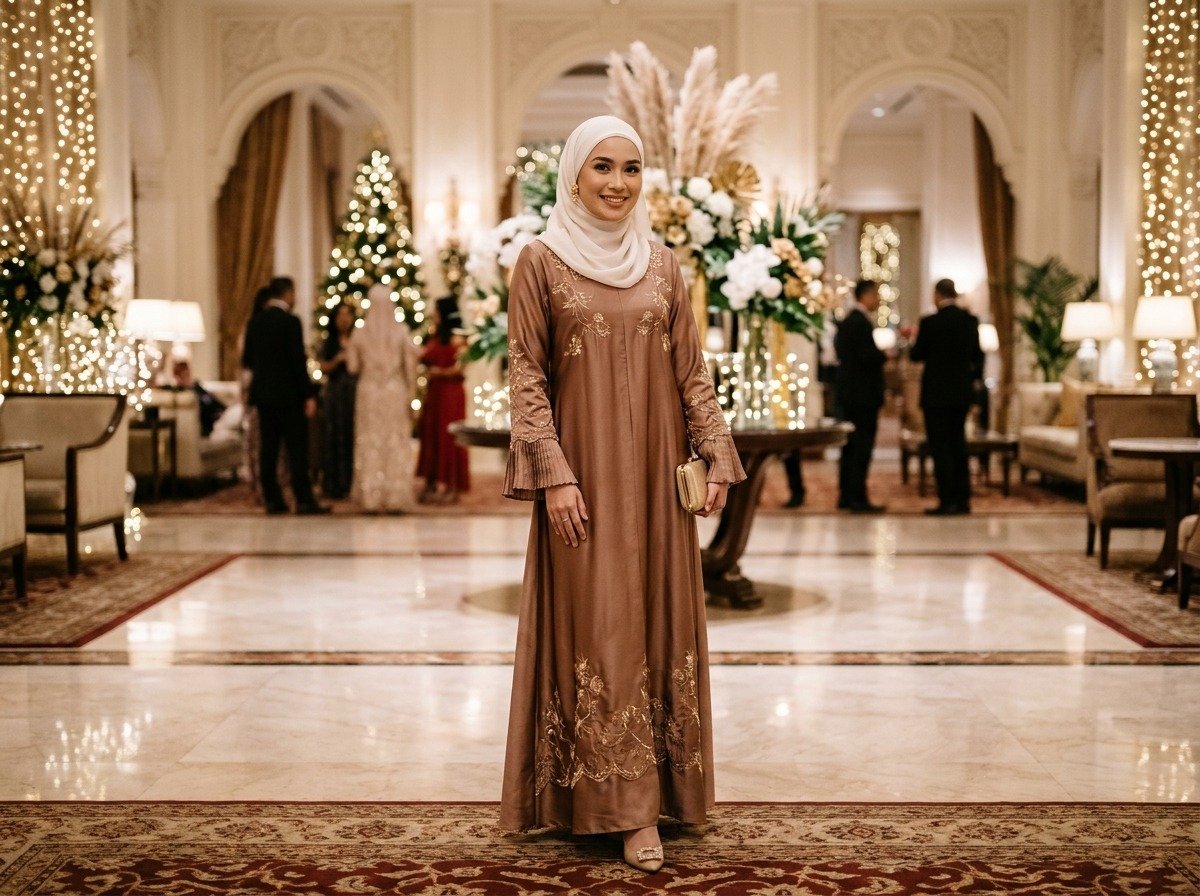
Polycotton hijabs have long been an indispensable staple in the wardrobes of Muslim women across Indonesia, spanning all age demographics. From schoolgirls and university students to homemakers and office professionals, nearly everyone possesses a collection of these blended square hijabs in a variety of charming color palettes.
Polycotton hijabs expertly combine the softness and breathability of cotton fibers with the durability and anti-stretch properties of polyester fibers, making them exceptionally easy to shape into a crisp, defined arch over the forehead. Understanding the unique properties of this fabric and how to properly care for its fibers will ensure your hijab always presents a neat, perfectly structured, and long-lasting appearance for daily wear.
Understanding the Unique Characteristics of Polycotton Blended Fibers
As its name suggests, polycotton is a textile fabric resulting from the fusion of two types of fibers: synthetic polyester and natural cotton. The typical blend ratio ranges from 65 percent polyester and 35 percent cotton, or other balanced ratios specifically engineered for headscarf comfort.
The inclusion of cotton fibers provides excellent sweat absorption, a soft touch against the skin of the cheeks, and thermal comfort that prevents ear stuffiness. Meanwhile, the polyester fibers impart exceptional mechanical strength, rendering the fabric resistant to stretching, durable against sharp creases, and capable of maintaining a firm forehead arch throughout the day.
Techniques for Styling Polycotton Hijabs for a Perfect Forehead Arch
One of the primary reasons polycotton hijabs are so beloved is their ease of styling into a flawless curve over the forehead without the need for stiff fabric stiffening sprays. This neat arch beautifully frames the face, creating a more slender and proportionate appearance.
To achieve a stable, upright forehead shape, precisely fold the square hijab into an equilateral triangle. Ensure the outer fabric edge is about one centimeter longer than the inner fabric layer to prevent the hijab’s edges from slipping when secured under the chin. Fasten a bulb pin securely but comfortably under the chin, then gently shape both sides of the cheeks with a slight outward curve.
Preventing Fiber Damage from Coarse Pins
While polycotton fibers are inherently strong, their primary adversary that often compromises their beauty is the use of dull, rusted, or oversized pins. Repeatedly inserting coarse pins into the same chin area can damage the fabric’s weave, leaving unsightly, stretched holes.
Always opt for sharp, anti-rust micro-head pins, smooth coil-free bulb pins, or transition to modern magnetic clasps, which are exceptionally gentle on fabric fibers. Magnetic clasps secure the fabric with strong magnetic force without piercing a single thread, keeping your cherished headscarf looking pristine.
Washing and Ironing Tips to Prevent Color Fading
To prevent your polycotton hijab collection from pilling prematurely and to maintain vibrant colors, avoid washing them with rough-textured garments like denim jeans or thick towels in the washing machine. The harsh agitation of a washing machine can cause abrasive friction, leading to the formation of fuzzy fiber bumps (pilling) on the fabric’s surface.
Hand-wash hijabs using room-temperature water and a small amount of mild liquid detergent. Gently rub soiled areas, such as the chin area affected by sweat or makeup residue, then rinse thoroughly and dry in a breezy spot away from direct, intense sunlight. When ironing, use a medium heat setting (suitable for synthetic cotton fabrics) to preserve the fabric’s fiber flexibility and longevity.
Frequently Asked Questions About Polycotton Hijabs
Is a polycotton hijab the same as a Bella Square hijab?
Yes, the term “Bella Square,” which is highly popular in the Indonesian market, refers to a standard-sized 115×115 cm square hijab produced using polycotton fabric.
Does a polycotton hijab require an inner cap when worn?
It is highly recommended to wear a thin, knitted cotton inner cap to prevent the hijab from shifting on the hair and to ensure that stray wisps of hair at the forehead remain concealed.
How can I remove stretched pinholes from the fabric?
Gently rub the area of the fabric hole with your fingernail horizontally, or lightly steam the area with a fine mist of hot water to encourage the weave to re-align to its original position.
Which hijab fabric is cooler between voal and polycotton?
Pure voal (100% cotton) is slightly cooler in very hot weather due to its higher cotton content. However, polycotton significantly outperforms it in terms of wrinkle resistance and ease of styling.
Editor’s Note from Salwa Salon: Simplicity is the most enduring form of beauty. A simple hijab, meticulously cared for, neatly ironed, and worn with modesty, radiates an elegant charm that is no less captivating than the most luxurious attire. Cherish your hijab collection with care, and step forward with a sincere heart that brings joy to those around you.
Understanding the characteristics and proper care of polycotton hijabs empowers you to maintain a neat, practical, and confident appearance daily. With the right styling techniques and diligent fiber maintenance, you can enjoy the comfort of elegant and modest hijab wear in every step of your activities.