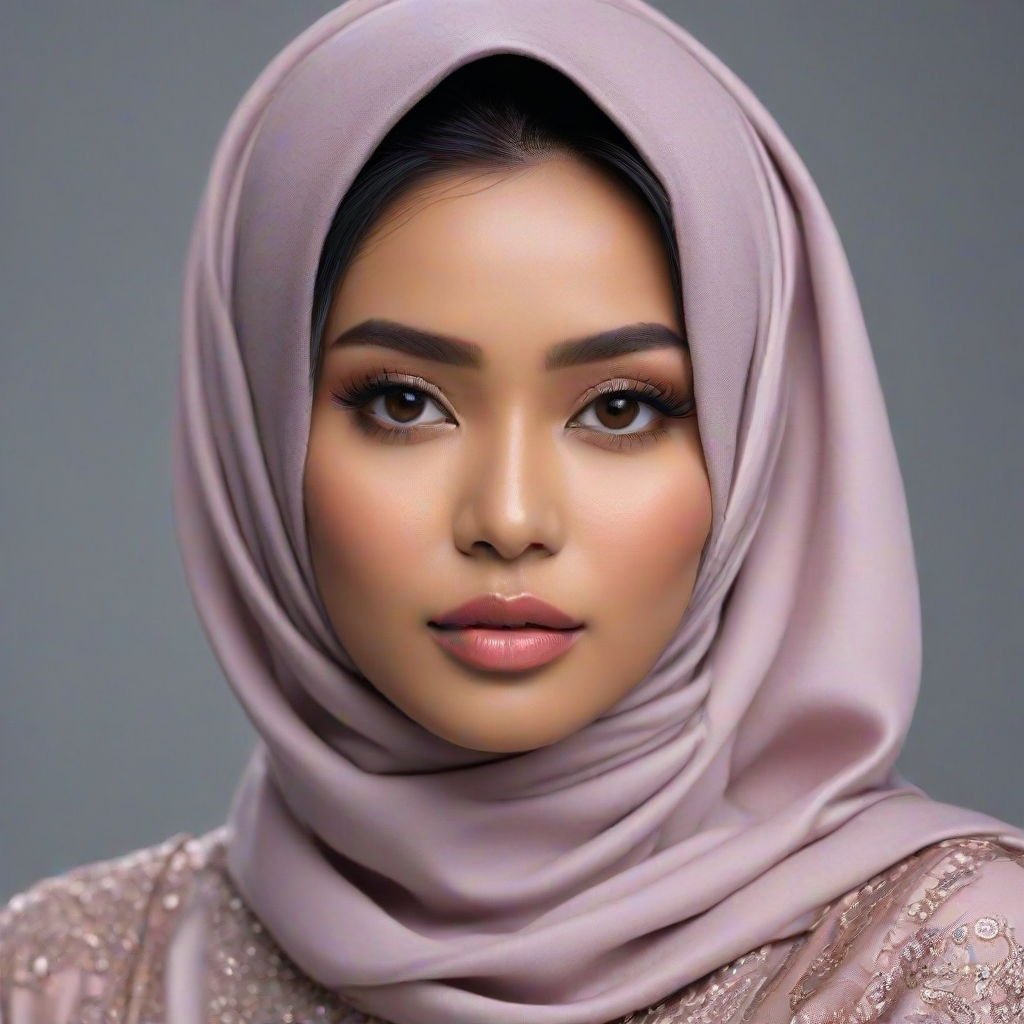
Hello, Salwa Besties! The domestic modest fashion industry is experiencing rapid growth, offering thousands of styles, brands, and price points in the market. However, with so many options, we’re often tempted by inexpensive garments that quickly fade after a few washes, develop puckered seams, or feature fabrics that feel uncomfortably hot and stuffy against the skin.
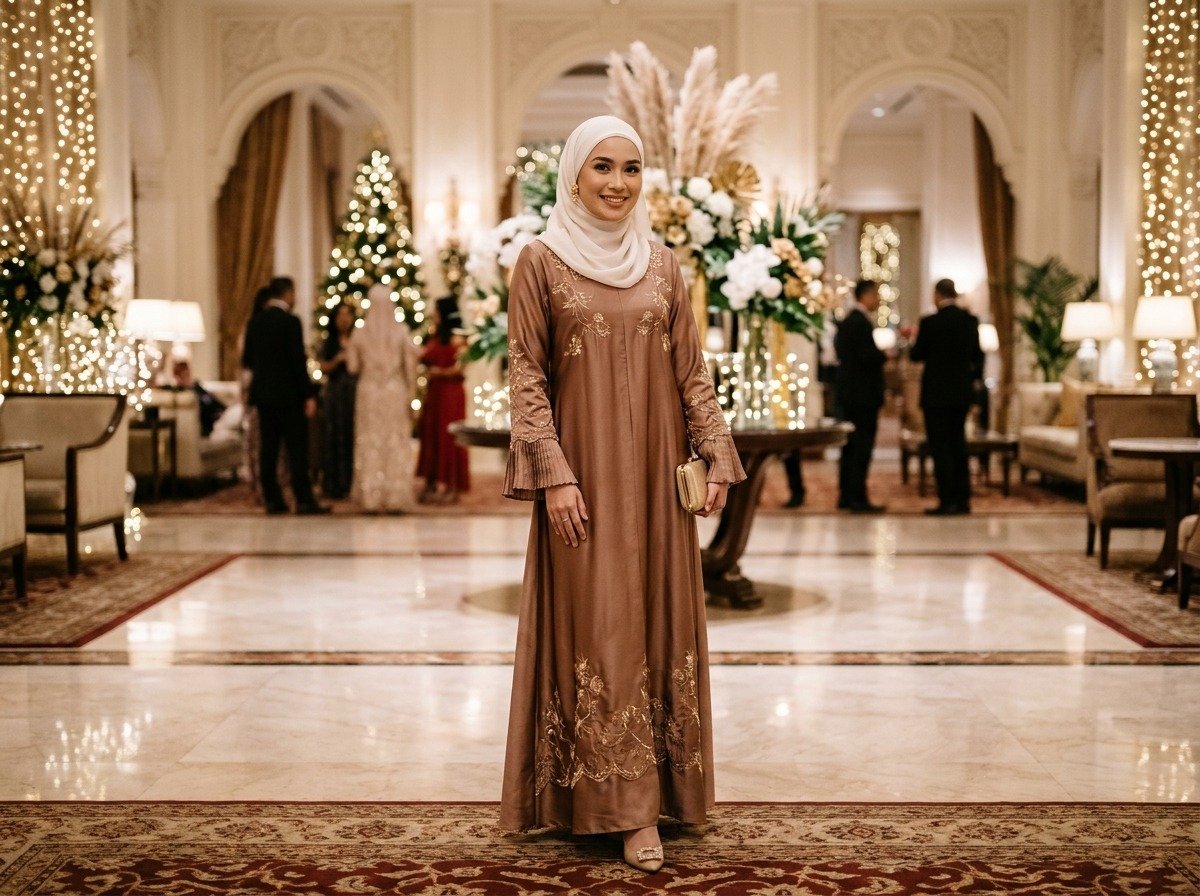
Choosing high-quality modest wear isn’t solely about a high price tag; it’s about understanding fabric quality, meticulous stitching, and functional comfort for daily activities. Let’s explore these 8 key characteristics of premium modest apparel!
1. Breathable and Sweat-Absorbent Fabric Material
Premium fabrics such as Toyobo Fodu cotton, Japanese cotton, natural linen, and rayon twill offer excellent sweat absorption, preventing skin irritation and body odor in hot weather.
2. Appropriate Thickness and Opacity
Well-made modest apparel eliminates the need for multiple layers of undershirts or linings that cause overheating, as the tight weave of the fabric provides complete coverage.
3. Meticulous Hem and Overlock Stitching (Finishing Quality)
Inspect the garment’s edge seams. Quality apparel features closely spaced stitches (a minimum of 10-12 stitches per inch), free from frayed threads, and precisely finished overlocked hems.
4. Design Facilitating Prayer Movements (Wudu-Friendly)
Equipped with functional buttons or elastic cuffs at the wrists that can be easily rolled up for ablution without compromising the sleeve’s shape.
5. Nursing-Friendly (Busui-Friendly)
Features a discreet invisible zipper or a row of buttons down the front for practical and neat access.
6. Durable, High-Quality Zippers and Buttons
Branded zipper components glide smoothly without snagging the fabric and remain durable after repeated washing.
7. Loose Silhouette for Comfortable Movement
The pattern is ergonomically designed to avoid tightness in the underarms or back when raising arms or sitting cross-legged.
8. Colorfastness (Wash-Resistant Dyes)
High-quality textile dyes resist fading during washing and are not easily degraded by sun exposure.
The Impact of Abaya Fabric Quality on Scalp Health
The quality of modest wear is assessed not only by its outer design but also by the lining and collar materials that directly contact the skin. Cheap, hot synthetic abaya fabrics can trap sweat, increasing body temperature in the nape area and on the scalp beneath the hijab. In salon treatment settings, complaints of moist dandruff and hair loss are frequently attributed to poor thermal circulation from clothing. Always ensure that the lining and collar of your garments are made from breathable, natural fiber cotton to keep neck pores cool and prevent excessive moisture at the hair roots.
FAQ About Choosing Modest Wear
What type of square hijab fabric is most structured on the forehead and resists creasing?
Ultrafine voal and premium paris fabrics are the top choices due to their lightweight nature, fine, dense weave, and ability to hold a perfect, structured curve on the forehead.
How should silk or crinkle-fabric abayas be cared for to prevent fiber damage?
Wash by hand using a mild liquid detergent without harsh wringing. Then, iron using a warm setting or steam.
Does rayon fabric tend to shrink after the first wash?
Natural rayon fabric typically experiences a shrinkage of about 2-3 cm during the first wash. Consider choosing a slightly looser size when purchasing rayon garments.

Tinggalkan Balasan