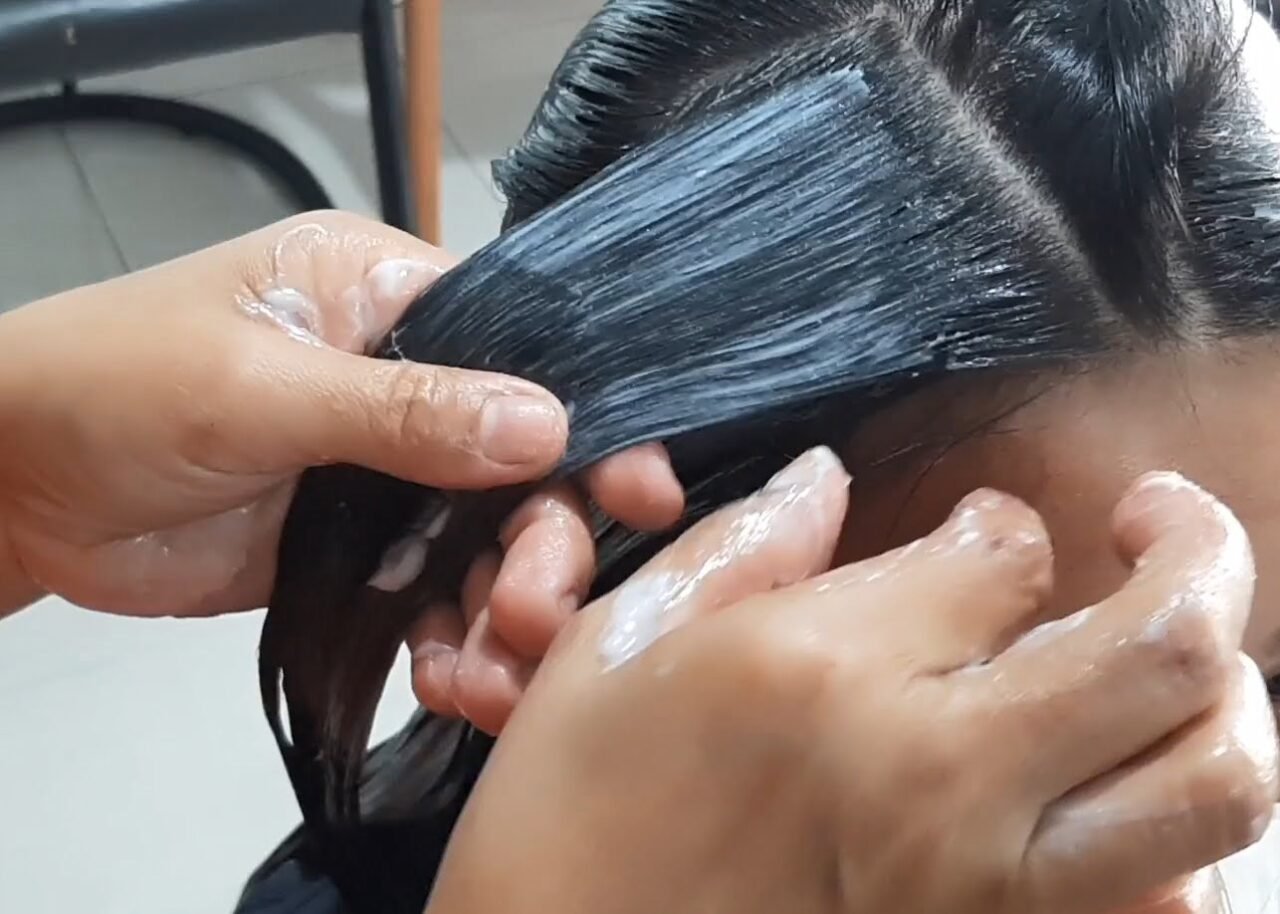
Hair smoothing is a popular method for achieving straighter, smoother, and more lustrous hair. However, before you commit to this treatment, there are several crucial aspects you should be aware of. Here are 20 essential facts and guidelines you must know before undergoing hair smoothing!
- Hair smoothing is a chemical process that permanently alters the hair’s structure. The primary chemical agents typically employed are sodium hydroxide, guanidine hydroxide, or ammonium thioglycolate.
- Hair smoothing differs from hair rebonding. Rebonding utilizes heat to temporarily straighten hair. It’s generally more suitable for thick, coarse hair textures, whereas smoothing is better suited for finer, softer hair types.
- Hair smoothing is also distinct from a keratin treatment. Keratin treatments involve applying keratin protein to fill gaps in the hair cuticle, enhancing strength, health, and shine. These treatments don’t permanently alter hair structure but rather coat the hair with a keratin layer.
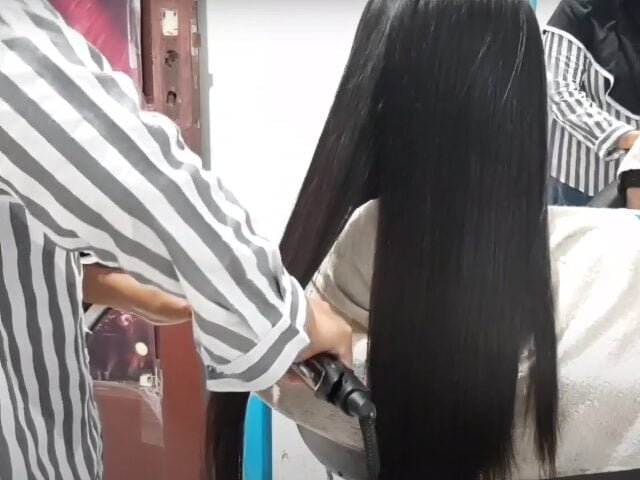
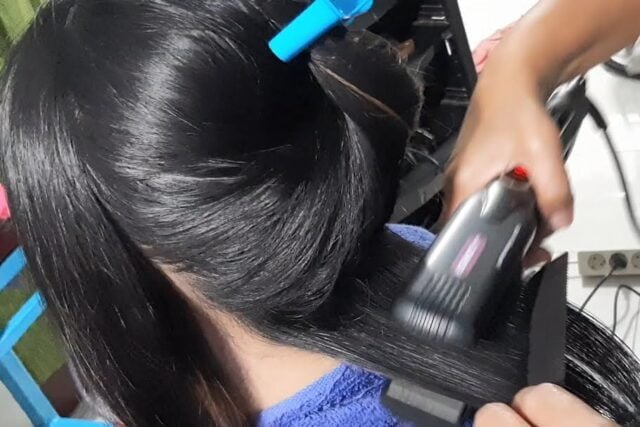
- Hair smoothing is a time-intensive process, typically lasting 3-4 hours, depending on hair length and thickness. The procedure involves shampooing, chemical application, rinsing, drying, flat ironing, and a final finishing treatment.
- If not performed correctly or maintained properly, hair smoothing can lead to adverse effects that may damage the hair. Potential side effects include dryness, brittleness, split ends, breakage, dullness, and even hair loss.
- Hair smoothing can also cause scalp irritation or allergic reactions to the chemicals used. Therefore, it’s highly recommended to perform a patch test beforehand. Apply a small amount of the chemical to the skin behind your ear or on your arm and wait 24 hours. If no adverse reaction occurs, you can proceed with the smoothing treatment.
- Post-smoothing hair care is essential. Avoid washing your hair for 2-3 days after the treatment to allow the chemicals to fully penetrate and set. It’s also imperative to use shampoos and conditioners specifically formulated for smoothed hair to preserve the results.
- Regular maintenance is required weekly or monthly, depending on your hair’s condition. Incorporate weekly hair masks or spa treatments to replenish nutrients and moisture. Additionally, minimize the use of heat styling tools like flat irons or blow dryers, as they can compromise the integrity of the hair’s keratin structure.
- Hair smoothing is not suitable for all hair types and conditions. If you have any of the following, consider intensive hair repair treatments, such as deep conditioning masks for damaged hair, prior to smoothing:
- Previously colored or permed hair
- Extremely fine or breakage-prone hair
- Severely dry or damaged hair
- Hair with conditions like dandruff or psoriasis
- A sensitive or allergy-prone scalp
- Hair smoothing may also not be ideal for all face shapes and lifestyles. You might want to reconsider smoothing if:
- You have a round or square face shape, as it can visually widen the face.
- You have a long or oval face shape, as it can accentuate facial length.
- You frequently engage in outdoor activities or experience heavy perspiration, as this can accelerate the fading of smoothing results.
- You enjoy frequent hairstyle changes, as restyling smoothed hair can be challenging.
- Hair smoothing is not a permanent solution for achieving your desired straight hair. You must continue to nurture and maintain your hair’s health and beauty through natural methods such as:
- Consuming a nutrient-rich diet abundant in protein, vitamins, minerals, and antioxidants.
- Staying adequately hydrated by drinking sufficient water daily to maintain body and scalp moisture.
- Minimizing exposure to stress and pollution, which can negatively impact hair quality and growth.
- Regularly trimming split ends to prevent further damage to the overall hair structure.
- Using a wooden comb or a wide-tooth comb to avoid pulling or tearing the hair.
- Hair smoothing is a form of self-expression through your appearance. You should feel confident in your choice and disregard external opinions about your smoothed hair.
- Hair smoothing can also be a form of occasional self-indulgence. Experience the distinct sensation of having straight, smooth, and luminous hair. You can also explore new styling possibilities that may have been previously unachievable.
- Hair smoothing can contribute to hair shedding. This is because the process involves chemical agents that can compromise the hair cuticle, the protective outer layer of the hair shaft. A damaged cuticle renders hair brittle, dry, and prone to breakage. Furthermore, smoothing can disrupt the scalp’s natural oil balance, potentially leading to irritation and dandruff. If these conditions persist, severe hair loss may occur.
- Hair smoothing is not universally suitable for all hair types. While it can achieve straighter, more manageable hair, not all hair textures will yield optimal results. Very thick, coarse, or highly textured hair may not become perfectly straight with smoothing. Hair that has been previously compromised by coloring, bleaching, or other chemical treatments should also avoid smoothing, as it can exacerbate existing damage.
- Hair smoothing necessitates specialized post-treatment care. After smoothing, you cannot simply use any hair products. You must opt for shampoos and conditioners specifically designed for smoothed hair, which typically contain proteins and moisturizers to maintain softness and shine. It is also crucial to avoid heat styling tools such as blow dryers, flat irons, or curling irons, as they can degrade the smoothing results. Regular salon treatments are also recommended to prolong the longevity of your smoothed hair.
- Hair smoothing is not a permanent solution. Although it can make your hair straighter and more manageable, the effects are not indefinite. On average, hair smoothing lasts between 3-6 months, depending on your hair type and condition. Subsequently, your hair will gradually revert to its natural texture. To maintain the smoothed appearance, repeat treatments are necessary every few months.

Tinggalkan Balasan