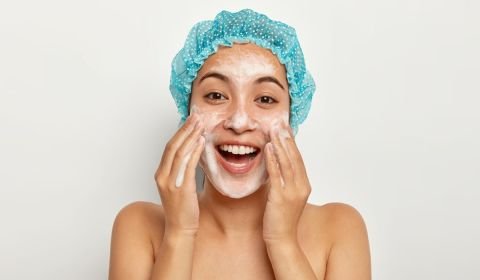
Achieving clean, supple, and healthily radiant facial skin is a universal aspiration. However, amidst the deluge of ever-changing beauty products, many individuals find themselves overwhelmed, layering numerous products without truly understanding their skin’s fundamental needs. In tropical climates characterized by high humidity, intense sun exposure, and air pollution, the correct approach to facial skincare centers on consistently maintaining the integrity of the skin barrier.
The safest and most effective strategy is to fortify the foundational elements: gentle cleansing, balanced hydration, occlusive moisturization, and daily sunscreen protection.
Understanding Skin Characteristics in Tropical Climates
Residing in a tropical region stimulates sebaceous glands to produce sebum more actively, serving to protect the epidermal surface. When sweat and oil mix with dust particles and dead skin cells, pores can become occluded, leading to the formation of blackheads, acne, and a rough skin texture.
Conversely, prolonged exposure to air-conditioned environments can rapidly evaporate the skin’s natural moisture from its outer layers. Therefore, daily skincare regimens must effectively balance oil control without compromising cellular hydration.
The 4 Essential Pillars of Basic Skincare You Must Follow
Before experimenting with high-potency active ingredients like retinol or pure vitamin C, ensure you have mastered these four fundamental pillars:
1. Gentle Double Cleansing?
Cleansing is the initial step in preventing the accumulation of impurities. In the evening, implement a double cleansing method using micellar water or a cleansing oil to effectively remove sunscreen residue and makeup. Follow this with a pH-balanced facial cleanser (pH 5.0–5.5). Avoid foaming cleansers that leave your skin feeling tight or stripped, as this indicates the removal of protective natural oils.
2. Deep Hydration with a Hydrating Toner?
After cleansing, apply a hydrating toner containing hyaluronic acid, glycerin, or centella asiatica. Toners help replenish the skin’s natural moisture levels and prepare the skin for better absorption of subsequent products.
3. Moisture Lock-in with a Skin-Type Appropriate Moisturizer?
Moisturizers act as a sealing barrier to prevent transepidermal water loss. For oily skin types, opt for lightweight, water-based gel moisturizers that absorb quickly. For dry skin, use cream-based moisturizers rich in ceramides and essential fatty acids to reinforce the skin barrier’s structure.
4. Essential Broad-Spectrum Sunscreen Protection?
All your skincare efforts will be in vain without consistent sunscreen protection. Ultraviolet A (UVA) radiation contributes to premature aging and dark spots, while UVB rays cause sunburn. Apply a broad-spectrum sunscreen with a minimum SPF of 30 and PA+++, using a generous two-finger length application every morning, and reapply when spending extended time outdoors.
Skin Barrier Integrity and Transepidermal Hydration:
The key to healthy skin lies not in the number of serum layers applied, but in how well the outermost protective layer of the skin is maintained. In humid tropical climates laden with pollution and air conditioning, cleansing with a pH-balanced cleanser and disciplined sunscreen application are the best defenses to keep skin supple and less prone to reactivity. — Salwa Salon Editorial Team
Additional Treatments: Measured Exfoliation and a Healthy Lifestyle
Incorporate mild chemical exfoliants containing lactic acid or salicylic acid 1 to 2 times per week to slough off dead skin cell buildup and support cellular turnover. Avoid over-exfoliation, which is indicated by redness, stinging, and a feeling of tightness.
Beyond topical treatments, skin health is significantly influenced by the body’s metabolism. Ensure adequate hydration by drinking at least 2 liters of water daily, aim for 7–8 hours of quality sleep per night, and consume a nutrient-rich diet abundant in antioxidants, such as papaya, tomatoes, and leafy green vegetables.
Common Mistakes That Often Compromise Skin Health
Facial conditions that are difficult to improve are frequently triggered by simple habits: touching the face with unwashed hands, infrequent pillowcase changes, rubbing the face too vigorously with a bath towel, or switching active skincare products too rapidly before the skin has had a chance to adapt.
Frequently Asked Questions About Facial Skincare (FAQ)
Does oily skin still require daily moisturizing?
Absolutely. When oily skin lacks adequate hydration, the sebaceous glands will actually produce more sebum as a compensatory defense mechanism. Use an oil-free, gel-textured moisturizer.
How long does it take for skincare to show noticeable results?
The skin cell turnover cycle takes approximately 28 days. Therefore, the effectiveness of skincare products can generally only be objectively assessed after consistent use for 4 to 8 weeks.
What are the primary signs that the skin barrier is compromised?
Indications include stinging upon contact with water or basic moisturizers, increased redness, sudden breakouts, and a skin surface that feels dry yet oily simultaneously.