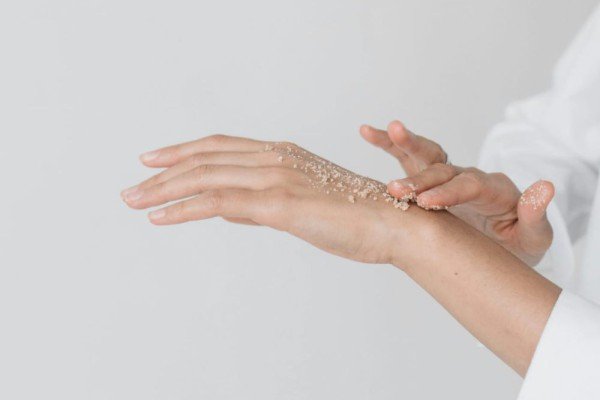
Exfoliation, the process of removing dead skin cell buildup, is a crucial step in body care to maintain smooth, radiant, and even-toned skin, while also preventing clogged pores. However, not everyone has the same dermal and epidermal thickness. For individuals with thin, fragile body skin that is prone to showing capillary veins or easily reddens with light friction, physical exfoliation using coarse-grained scrubs can be detrimental, damaging the skin’s protective barrier.
- 2.1 1. Prepare Skin with Lukewarm Water Baths
- 2.2 2. Switch to Gentle Chemical Exfoliants Based on Lactic Acid or PHAs
- 2.3 3. Use a Fine-Textured Washcloth or a Natural Konjac Sponge
- 2.4 4. Limit Exfoliation Frequency to Once a Week
- 2.5 5. Lock in Moisture with a Ceramide-Rich Body Butter Immediately After Bathing
Exfoliating thin body skin demands extremely gentle methods, careful control of mechanical pressure, and the selection of active ingredients that can dissolve dead skin cells without compromising the natural protective barrier.
Understanding the Characteristics of Thin and Vulnerable Body Skin
Thin body skin generally has a more dispersed stratum corneum with lower reserves of protective lipids. Areas like the neck, upper chest, back of the hands, and shins are most susceptible to premature thinning.
Aggressively scrubbing these areas with apricot kernel scrubs or pumice can lead to micro-tears in the outer skin layer, triggering inflammation, prolonged stinging, post-inflammatory hyperpigmentation, and even irritant contact dermatitis.
5 Safe Exfoliation Methods for Thin Body Skin
1. Prepare Skin with Lukewarm Water Baths
Before exfoliating, take a lukewarm bath for 5 to 10 minutes. The warm steam and lukewarm water help to soften the bonds of dead skin cells on the surface without excessively opening pores or stripping the skin of its natural moisture.
2. Switch to Gentle Chemical Exfoliants Based on Lactic Acid or PHAs
Instead of using coarse-grained scrubs, opt for liquid body washes or body lotions containing Polyhydroxy Acids (PHAs) or Lactic Acid. PHA and lactic acid molecules have larger molecular sizes, allowing them to work slowly on the surface without penetrating too deeply, dissolving dead cells while simultaneously drawing in hydrating moisture.
3. Use a Fine-Textured Washcloth or a Natural Konjac Sponge
If you prefer a mild mechanical exfoliation sensation, replace rough nylon bath mitts with a soft bamboo cotton baby washcloth or a supple, gentle natural konjac sponge. Wet the sponge until it is fully hydrated, then gently glide it in very soft circular motions without applying strong pressure.
4. Limit Exfoliation Frequency to Once a Week
Thin body skin requires a longer recovery period compared to normal skin. Exfoliating just once a week, or even once every ten days, is sufficient to maintain skin smoothness without overburdening the protective barrier.
5. Lock in Moisture with a Ceramide-Rich Body Butter Immediately After Bathing
The most crucial finishing step is immediate hydration. Within three minutes of rinsing your body and gently patting it dry with a soft towel, apply a rich body butter or lotion containing ceramides, colloidal oatmeal, and shea butter to reinforce the skin’s protective barrier.
The Importance of Listening to Your Body Skin’s Signals:
The primary sign that your exfoliation is too aggressive is not a squeaky-clean feeling, but rather skin that appears unnaturally shiny, taut, or feels stinging when exposed to shower water. If these signs appear, discontinue all forms of exfoliation for at least two weeks and focus on applying calming moisturizers with centella asiatica or pure petrolatum until your skin feels supple again. — Salwa Salon Editorial Team
Body Areas to Avoid During Exfoliation
Certain body parts have exceptionally thin skin layers and should ideally not be exfoliated:
- Irritated Inner Thigh and Underarm Fold Skin: Scrubbing areas prone to friction from clothing can trigger fungal infections and chafed rashes.
- Skin with Open Wounds or Sunburn: Never exfoliate skin that is sunburned or has abrasions.
Frequently Asked Questions About Exfoliating Thin Skin (FAQ)
Is it okay to use a natural coffee scrub on thin body skin?
It is not recommended. Coffee grounds have sharp, irregular edges that can cause micro-scratches on thin skin. Opt for scrubs with perfectly round jojoba beads if you prefer a physical scrub.
Can body exfoliation be done in the morning?
It is best to exfoliate in the evening. After exfoliation, the skin becomes more sensitive to sunlight. Performing it at night allows the skin time to recover and absorb moisturizers while you sleep.
Does thin body skin still require sunscreen?
Absolutely. Thin skin has less melanin defense against UV radiation, so always apply an SPF body lotion when outdoors during the day.
Can exfoliation remove cellulite on the thighs?
Exfoliation can improve skin surface texture, making it appear smoother and firmer, but it cannot permanently eliminate cellulite fat deposits beneath the subcutaneous tissue.