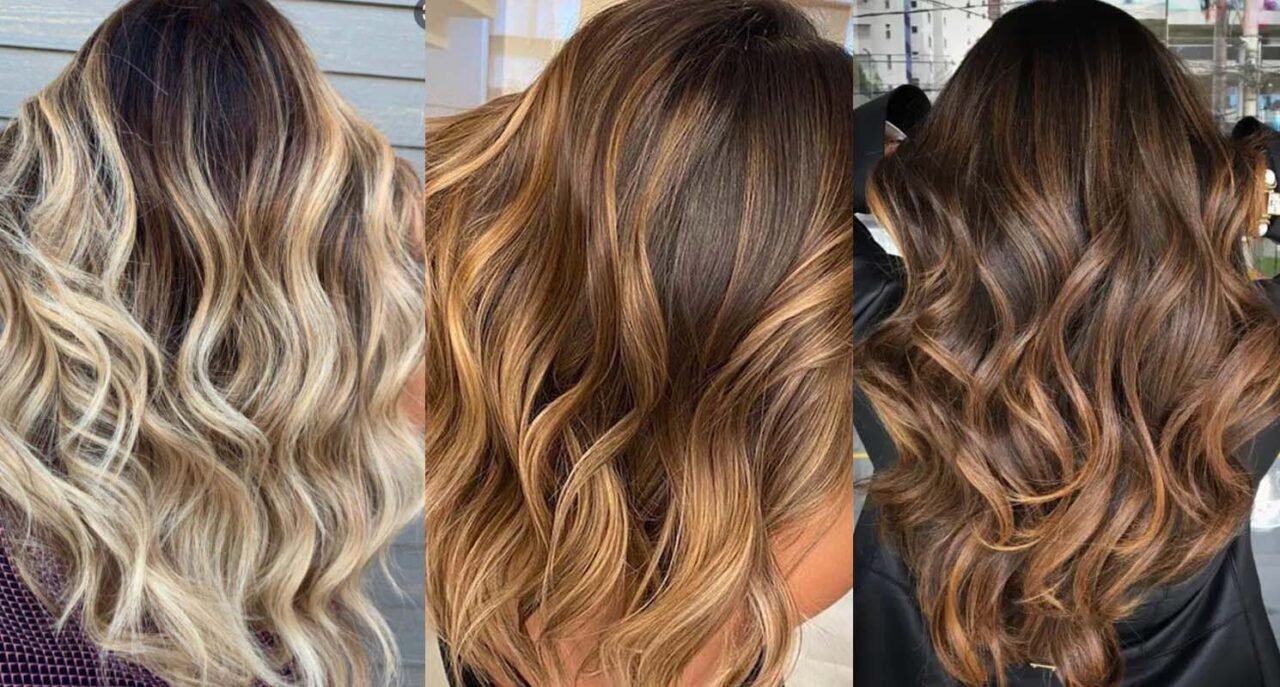
For those who love to experiment with hair color, have you tried the balayage hair technique yet?
Balayage hair is a coloring technique that results in a seamless, graduated application of color, transitioning from lighter to darker tones. Beyond its quicker application, maintenance is also simplified, as the hair roots do not require monthly retouch coloring.
Understanding the Balayage Coloring Technique
Balayage is a term derived from French, meaning “to sweep.” It’s also known as a freehand technique. With this method, stylists work without the need for aluminum foil or hair caps. The resulting balayage color is exceptionally soft and less striking than traditional highlights.
The graduated strokes of balayage on the hair generally last longer than standard highlights. Balayage colors that aren’t excessively light require minimal re-touching. Newly grown hair blends seamlessly with the original color, minimizing obvious demarcation lines.
While the exact origin and popularizer of this technique remain unclear, balayage experienced a significant surge in popularity around 2019. The term “balayage” itself originates from French, meaning ‘to sweep color.’
Similar to highlights, the balayage hair technique involves creating a blend of two or more colors applied vertically. Unlike the distinct and contrasting lines of traditional highlights (and also ombre), balayage delivers a more subtle and natural-looking color gradation.
Many people are drawn to the balayage highlights hair color technique. What are the advantages of this coloring method?
- Natural-looking results, ideal for beginners seeking a subtle, non-striking effect.
- Low maintenance. Unlike other coloring processes that necessitate 3-4 retouch sessions, balayage hair color typically requires only two retouch sessions per year.
- Seamless integration with natural hair color. Because the color is swept on (rather than applied with foil), the gradation and color combinations appear less stark. Shades like brown, caramel brown, and ash brown balayage will not look overly dramatic.
- Enhanced longevity, as the color at the growing roots naturally blends with the existing shade.
- Can serve as a facial contouring option. Lighter tones at the top and gradually darker shades at the perimeter of the hair can create the illusion of a more sculpted, slimmer face.
The Balayage Coloring Process
The application process typically takes approximately 2-6 hours, depending on the desired length and color intensity.
- The colorist will meticulously section and isolate strands of hair.
- These hair sections will be meticulously painted with color, which can take 2-3 hours. The color is then left to process for 40-60 minutes.
- The hair is then rinsed, followed by a toning process. This step is crucial for achieving brighter, more vibrant, and lustrous color results.
- Finally, the hair is shampooed with purple shampoo, dried, and blow-dried. This final stage takes about 30 minutes, completing the coloring process.
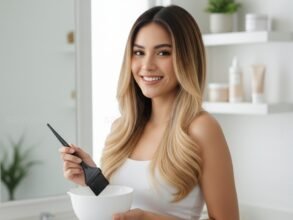
Considering a DIY balayage hair color at home? It’s certainly possible. Follow the steps outlined above and ensure you have the necessary supplies.
However, if you’re new to hair coloring or have virgin hair, we strongly recommend visiting a professional salon for optimal results.
Can Balayage Damage Hair?
All hair coloring techniques carry inherent risks. This is especially true if post-coloring treatments are neglected. Even though not all of the hair is colored, the process can still lead to hair damage and increased dryness. This risk is amplified if you opt for lighter shades that require pre-lightening (bleaching).
Our recommendation is to undergo professional treatments like hair spa at the salon at least once a week. If time is a constraint, you can maintain your balayage hair with natural hair masks at home.
How to Choose Your Balayage Color
Typically, a color analyst will suggest shades that are a few tones lighter than your natural hair color. If your hair is dark brown, a suitable balayage shade would be 2-3 levels lighter, such as caramel brown.
If you’re contemplating hair coloring but remain uncertain, consult with a professional hair colorist to determine the ideal shade that complements your skin tone and personal style.

Tinggalkan Balasan