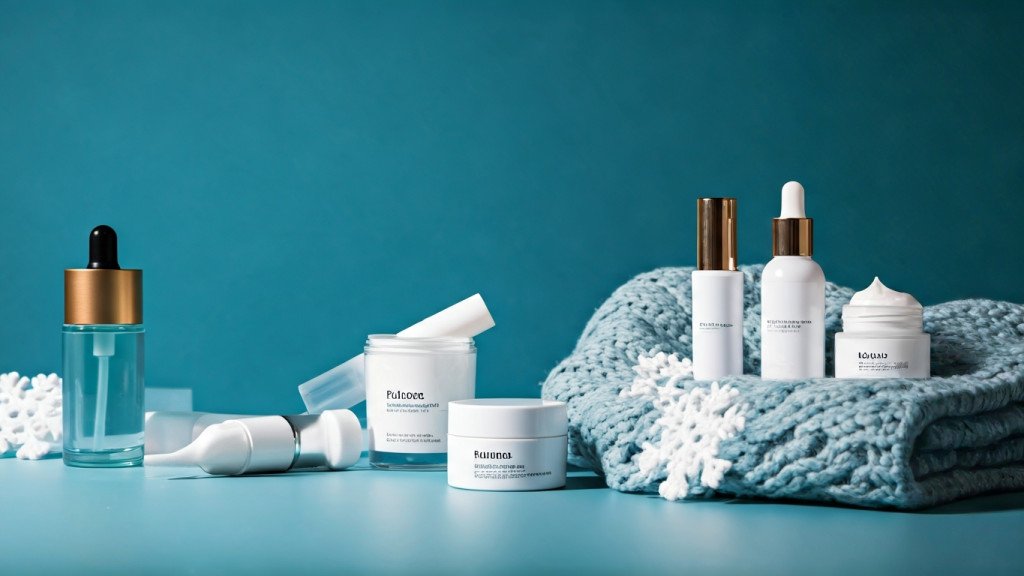
The sensation of facial skin feeling taut and tight when you smile, along with the appearance of fine white flakes on the cheeks, indicates that your cellular moisture levels are being drastically depleted. Spending a full day in an air-conditioned office or facing dropping temperatures during the rainy season can erode your skin’s natural water reserves without you even realizing it.
Dry skin care during cold weather and in air-conditioned rooms focuses on preventing transepidermal water loss through the use of gentle, non-foaming cleansers, layering low-molecular-weight humectant serums, and reinforcing the skin barrier with ceramide-based occlusive creams.
The Mechanism of Skin Dehydration Under Low-Temperature Exposure
Air conditioners work by absorbing moisture from the room’s atmosphere to lower the surrounding air temperature. When relative humidity plummets below forty percent, it forces water molecules in the skin’s epidermal layer to evaporate into the ambient air via a concentration gradient.
When this transepidermal evaporation continues for an eight-hour workday, the stratum corneum’s lipid protective barrier develops micro-tears. Consequently, the skin barrier weakens, triggering stinging sensations and making the face appear dull and lose its natural suppleness.
Washing your face with hot water when the air feels cold actually exacerbates the damage to the skin’s natural lipids. High-temperature water dissolves protective fatty acids and accelerates the loss of essential ceramides, which are crucial for keeping skin cells tightly bound.
6 Steps to Maintain Daily Skin Hydration
First, switch to a cleansing milk or a gentle, non-foaming gel cleanser with a balanced physiological pH. These mild formulas effectively remove particulate matter without stripping the skin’s protective acid mantle.
Second, apply a toner or essence containing humectants like glycerin and hyaluronic acid to damp skin immediately after cleansing. Applying hydrators to moist skin helps humectant molecules bind more water into the dermal tissues.
Third, seal in that hydration using a moisturizer enriched with ceramides, squalane, or beneficial cholesterol. These synthetic lipid layers replace the skin’s natural protective functions that are compromised by the cold drafts from air conditioning.
Fourth, never skip the application of a broad-spectrum sunscreen with a minimum SPF of thirty in the morning. UVA radiation can still penetrate office windows and damage the collagen matrix beneath the skin, especially when it’s already dry.
Fifth, perform dead skin cell exfoliation very cautiously, no more than once a week, using a low-concentration lactic acid formula or papaya enzymes. Avoid harsh physical scrubs that can tear the delicate skin barrier.
Sixth, use a concentrated gel-textured sleeping mask at night to deliver intensive moisture throughout your rest period. This step supports nocturnal cellular regeneration, ensuring your skin awakens feeling refreshed and supple.
| Key Actives for Skin Rescue | Physiological Role on Skin | Ideal Application Time |
|---|---|---|
| Ceramide Complex | Repairs lipid intercellular cement gaps | Morning and evening |
| Multi-Molecular Hyaluronic Acid | Binds water molecules up to a thousand times its weight | Immediately after cleansing |
| Pure Plant-Derived Squalane | Mimics natural sebum to seal in moisture | Evening, over moisturizer |
| Panthenol 5% | Soothes cold-induced stinging and irritation | When skin feels itchy and red |
Fatmawati Tahir — Practitioner & Beauty Editor at Salwa Salon: The most effective trick for maintaining skin hydration while working in an air-conditioned environment is to apply moisturizer using the “damping” technique. Don’t wait for your face to dry completely after rinsing; gently pat away excess water and then immediately blend in your moisturizer within the first sixty seconds.
Understand the difference between genetically dry skin and environmental dehydration in our article on the distinction between dry skin and dehydration.
Discover the criteria for safe barrier-protecting moisturizers in our review of recommended ceramide moisturizers.
Hydration Support from Within
Topical skincare must be complemented by adequate internal hydration throughout the day. Ensure you consume a minimum of two liters of water daily and don’t wait until you feel thirsty to drink.
Increase your intake of foods rich in omega-3 fatty acids, such as salmon, walnuts, or chia seeds, into your daily diet. These essential fatty acids strengthen cell membranes throughout the body, preventing them from easily releasing cellular fluid reserves.
Frequently Asked Questions (FAQ)
Is it permissible to repeatedly spritz face mist in an air-conditioned room?
Spritzing face mist without re-sealing it with a moisturizer can actually exacerbate skin dryness. The mist’s liquid, evaporating in dry, air-conditioned air, will draw your skin’s natural moisture along with it.
Why can oily skin also feel flaky in cold weather?
This condition is known as dehydrated oily skin. Your skin lacks internal cellular water despite oil glands continuing to produce sebum on the pore surface as an emergency compensatory measure for barrier defense.
Is bathing with lukewarm water harmful to dry skin?
Lukewarm water is safe to use, provided your bathing duration is limited to no more than ten minutes. Avoid using excessively hot water and immediately apply body lotion and facial moisturizer while your skin is still semi-damp.
How can I soothe the stinging and peeling around the nostrils?
Apply a pure petroleum-based ointment or a barrier-protecting balm containing centella asiatica to the nostril area before bed. Discontinue the use of all exfoliating products and foaming cleansers in that area until the skin barrier has fully recovered.



Tinggalkan Balasan