Combing your hair in the morning only to find dozens of strands caught between your fingers, or seeing white flakes of dandruff fall onto your work shirt, often triggers anxiety that disrupts your focus. The habit of neglecting hair care and relying solely on bar soap for washing your head is frequently the primary cause of damage to the protective barrier of a man’s scalp.
An effective men’s hair care routine centers on six fundamental, consistent steps: selecting shampoo based on scalp sebum condition, using amino acid conditioner to maintain cuticle flexibility, scheduling regular haircuts at the barbershop every four weeks, adjusting hairstyles to facial jawline shape, choosing water-based styling products, and consistently applying hair growth tonic. This structured protocol sustainably maintains follicle density and prevents premature balding.
Selecting Shampoo Based on Men’s Scalp Physiology
The sebaceous glands on a man’s scalp produce up to fifty percent more natural oil than women’s due to the influence of testosterone. This high sebum secretion is exacerbated by tropical air temperatures and sweat during outdoor activities, creating an ideal environment for the proliferation of dandruff-causing fungi.
The most crucial initial step is to discontinue the use of all-in-one cleansing products that combine body wash and shampoo. The scalp requires a cleanser with a balanced pH range between 5.0 and 5.5 to effectively remove excess oil without stripping the hair follicles of their natural moisture.
For men with very oily scalps, shampoo daily using a gentle, sulfate-free cleanser. However, if your hair is thick, curly, or dry, limit shampooing to every two to three days to prevent hair shafts from becoming brittle and losing their natural elasticity.
The Vital, Often Overlooked Role of Conditioner
Many men mistakenly believe that short haircuts do not require a rinse-out conditioner. However, shampoo lather opens the cuticle scales to cleanse impurities, and if these are not resealed with conditioner, the hair cortex’s moisture will evaporate rapidly.
Apply a coin-sized amount of conditioner to the mid-lengths and ends of your hair after thoroughly rinsing out shampoo. Plant-derived fatty acids and hydrolyzed wheat protein in the conditioner work to fill in rough cuticle gaps, making strands smoother and easier to manage.
Leave the conditioner on for one to two minutes before rinsing with cool or lukewarm water. A cool water rinse naturally helps to flatten the cuticle scales, resulting in hair that appears healthy and shiny, and is protected from heat damage from blow dryers.
| Men’s Scalp Characteristics | Ideal Shampoo Frequency | Recommended Shampoo Active Ingredients | Essential Additional Treatments |
|---|---|---|---|
| Oily and Prone to Dandruff | Daily (1x per day) | Zinc Pyrithione, Salicylic Acid, Tea Tree Oil | Scalp exfoliation (scalp scrub) once a week |
| Normal and Active Outdoors | Every other day | Aloe Vera, Vitamin B5 (Panthenol), Biotin | Light rinse-out conditioner after every shampoo |
| Dry, Coarse, or Thickly Curly | Every third day | Argan Oil, Glycerin, Shea Butter | Plant-based hair oil before bed |
| Sensitive and Easily Reddened | Every other day | Chamomile Extract, Allantoin, Colloidal Oatmeal | Alcohol-free root strengthening tonic |
Regular Barbershop Visits and Face-Shape-Conscious Styling
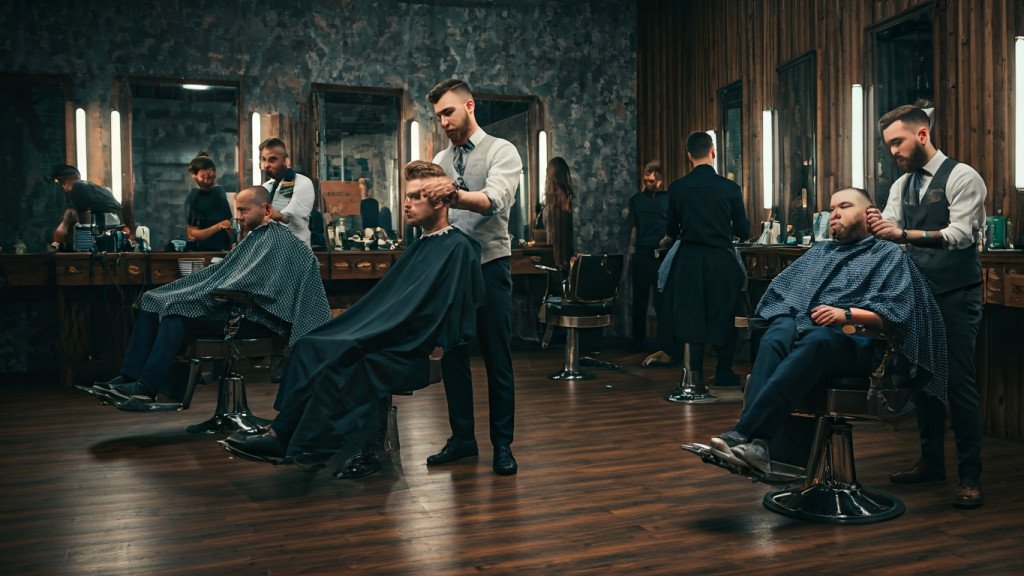
Maintaining clean hairlines at the temples and nape requires disciplined haircuts at least once every four weeks. Regular barbershop visits are not just about trimming long strands; they are about preserving the graduated structure of the cut to proportionally frame the face.
Consult with your professional barber about your jawline shape and cheekbone contours before deciding on a style. Men with round face shapes are well-suited to cuts with more height on top, such as a quiff or textured crop, to create the illusion of a more defined and elongated face.
Conversely, men with oval or rectangular faces should avoid overly voluminous top styles. Opt for a subtle taper fade that maintains balanced volume on the sides to ensure a proportional facial silhouette.
Selecting Water-Based Styling Products
The use of petroleum-based pomades or waxes that are difficult to rinse out often leads to forehead acne and clogged hair follicles. Wax residue left on the scalp overnight hinders micro-oxygen circulation and triggers new hair shedding.
Switch to water-soluble pomades or styling clays that are easily cleansed with a single rinse of water. Clay-based products provide a natural matte finish, adding volume to fine strands without leaving an oily sheen.
Fatmawati Tahir — Beauty Practitioner & Editor at Salwa Salon: Men’s hair requires the same serious attention as facial skin. Never vigorously rub wet hair back and forth with a towel, as the friction of towel fibers on wet, fragile hair shafts can tear the cuticle and cause mechanical hair loss.
To explore practical haircut variations that suit your work routine, you can read our comprehensive guide on neat short men’s hairstyle inspirations.
The Key to Consistency and Internal Nourishment
Healthy hair growth is highly dependent on the supply of micronutrients delivered by blood flow to the hair roots. Increase your intake of lean animal protein, zinc-rich nuts, and biotin-rich eggs to strengthen keratin formation from within.
Avoid prolonged work-related stress and ensure you get seven to eight hours of quality sleep each night. Internal metabolic balance will stabilize the hair’s anagen cycle, ensuring your hair remains dense, strong, and distinguished at all times.
Frequently Asked Questions (FAQ)
Does shampooing every day truly damage men’s hair strands?
Shampooing daily is safe if you have a very oily scalp and use a gentle formula without harsh sulfate detergents.
What is the ideal duration to leave conditioner in men’s hair?
Simply leave conditioner on wet hair strands for one to two minutes before rinsing thoroughly with running water.
Can using pomade every day cause premature balding?
Pomade does not directly cause balding, but residual pomade that is not completely cleansed can clog scalp pores and trigger follicle inflammation.
When should men start using anti-hair loss hair tonic?
The use of root-strengthening hair tonic should begin in the early twenties as a preventative measure before widespread hairline thinning occurs.



Tinggalkan Balasan