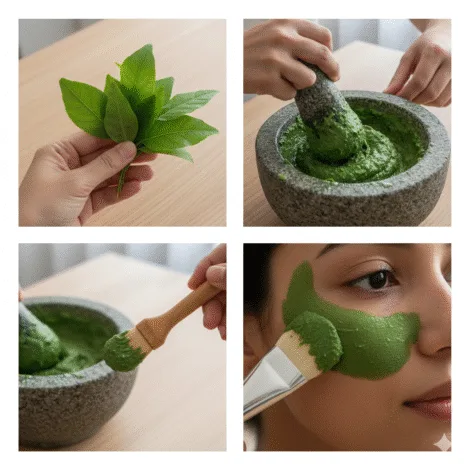
Harnessing nature’s bounty often presents a pocket-friendly and low-chemical alternative for skincare. Daily exposure to hot weather and pollution can trigger various skin concerns, from dead skin cell buildup to excess sebum production leading to acne.
Herbal leaves such as papaya, betel, and basil contain antioxidant and antibacterial compounds that can help brighten the skin, soothe inflammation, and naturally maintain facial health.
Often, the solutions for achieving radiant, healthy-looking skin are readily available in our surroundings or even in our kitchens. Various types of leaves, traditionally known for their health benefits, hold extraordinary potential when applied correctly as part of a botanical beauty regimen.
Benefits of Botanical Extracts for Skin Regeneration
Papaya leaves contain the enzyme papain, which is highly effective in exfoliating dead skin cells. Its use helps refine rough skin texture and provides a gradual brightening effect. Furthermore, its vitamin A and C content supports natural collagen production. To use, mash a young papaya leaf and mix it with honey for a weekly rinse-off mask.
Bay leaves, commonly used as a culinary seasoning, are rich in antioxidants that combat free radicals responsible for premature aging. Boiling a few bay leaves and using the steam for facial steaming can help open pores and detoxify pore-clogging impurities.
Noni leaves are known for their potent anti-inflammatory properties. Although their aroma is quite strong, extracts from these leaves are generally effective in calming inflamed acne and restoring a healthy complexion to dull skin affected by environmental stressors.
Antibacterial and Sebum-Balancing Properties
Betel leaves are among the best natural antiseptic agents. Cooled betel leaf decoction can be applied as a natural toner using a cotton pad. This method helps cleanse residual acne-causing bacteria and balances oil levels without causing a tight sensation on the skin.
Basil leaves not only offer a calming aroma but also possess antibacterial properties. Crushed basil leaves applied to problem areas on the skin can help accelerate the natural drying process of acne.
Guava leaves are exceptionally rich in flavonoids and polyphenols. Using their decoction as a cool compress helps soothe sunburned skin, reduce the appearance of fine lines, and maintain skin suppleness.
Fatmawati Tahir: “When applying fresh botanical ingredients directly to the face, a patch test is an absolute must. Apply a small amount of the extract or crushed leaves to the area behind your ear or on your lower jawline, and wait 24 hours to ensure there are no reactions such as redness or itching.”
Natural Nutrients for Skin Elasticity
Cassava leaves are a dense source of nutrients, particularly vitamin A. Incorporating them regularly into your diet aids in cellular regeneration from within the body. Skin that is nourished internally appears healthier and is less prone to dullness.
Purslane, often found as a wild plant or consumed as a side dish, is actually a powerful anti-aging secret. Purslane contains the highest levels of omega-3 fatty acids among other leafy green vegetables, which are essential for locking in moisture in the skin’s epidermal layer.
Lemongrass and jequirity beans (saga leaves) complete this list of beneficial plants. Lemongrass has a pore-purifying effect when added to bathwater or facial steam, while jequirity beans are traditionally used to soothe mild rashes and redness due to their ability to calm irritation.
Proper Boiling Techniques for Herbal Leaves to Preserve Nutrients
Utilizing fresh herbal leaves for skincare requires an understanding of the stability of the phytonutrient compounds within them. Many people mistakenly boil herbal leaves over high heat for too long, which actually degrades heat-sensitive vitamin C and antioxidant compounds.
The best method is to thoroughly wash the herbal leaves under running water, then simmer them over low heat for only 5 to 10 minutes after the water has boiled. Let it cool to lukewarm before using it as a facial rinse or skin compress. This approach ensures that the botanical active ingredients are optimally and safely absorbed into the skin’s pores.
Frequently Asked Questions (FAQ)
Are all skin types suitable for herbal ingredients?
Individual results vary. Highly sensitive skin or those with specific medical conditions like eczema may experience allergic reactions to the sap or active compounds in fresh leaves. Always perform a patch test first.
How many times a week can herbal leaf masks be used?
They are generally effective and safe when used one to two times a week. Overuse, especially with leaves containing exfoliating enzymes like papaya, risks damaging the skin’s natural barrier.
How do you properly extract herbal leaves?
Wash the leaves thoroughly under running water to remove dust and pesticides. You can mash them into a paste with a little boiled water, blend them, or simmer them over low heat to prevent active compounds from being damaged by excessive heat.
Caring for your skin with the richness of traditional herbal ingredients brings natural tranquility while maintaining harmony with nature at every step of your beauty ritual.



Tinggalkan Balasan