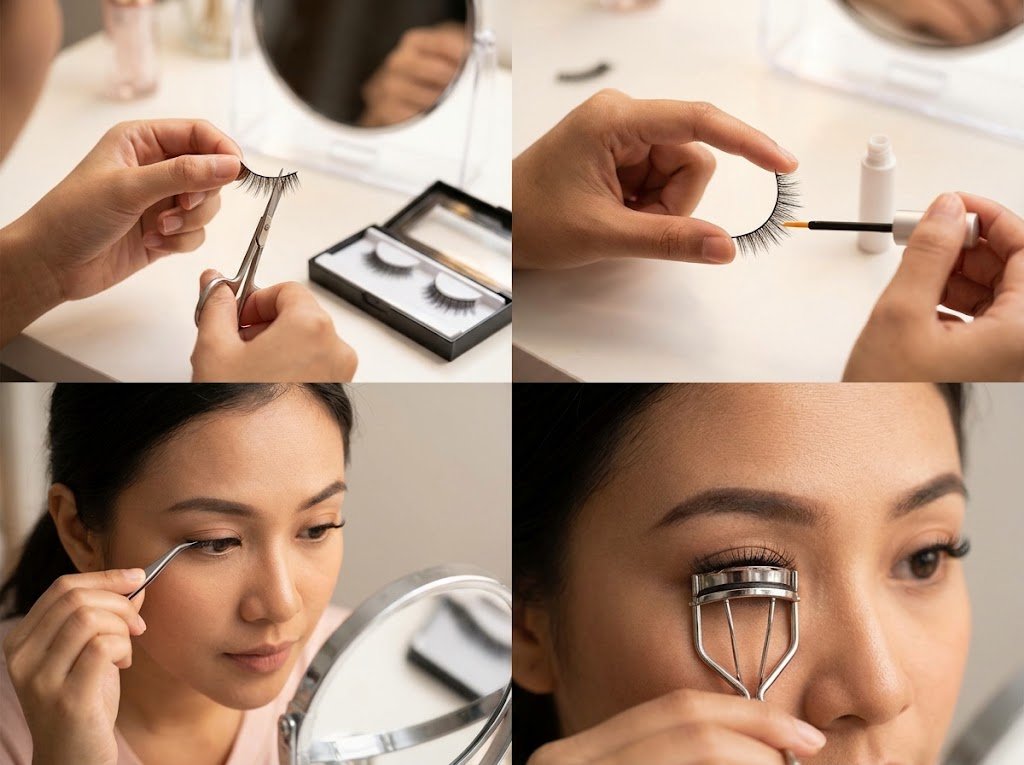
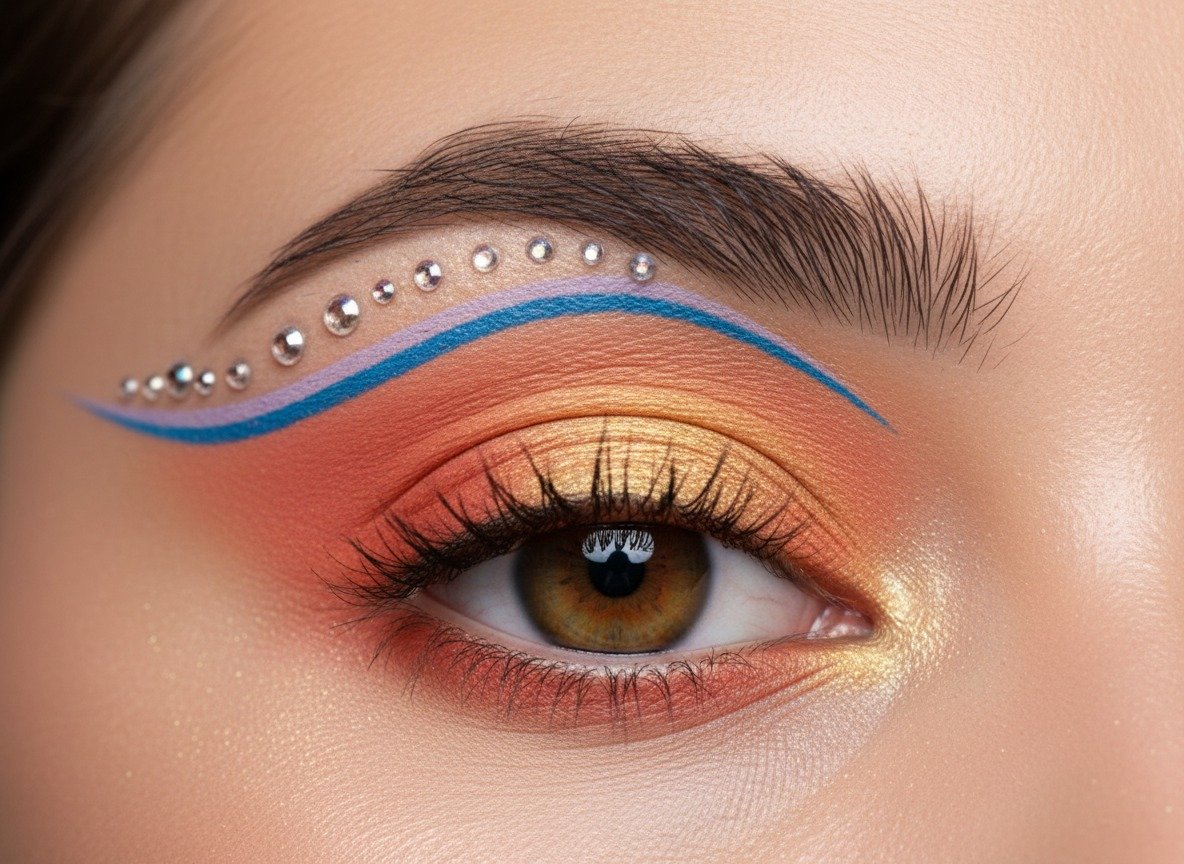
In the realms of theatrical stage performance, filmmaking, and creative video production, makeup plays a role far beyond mere beautification of an actor’s features. While conventional beauty makeup aims to accentuate the best features and conceal skin imperfections, character makeup is the art of visual manipulation to physically transform an actor’s identity, allowing them to fully embody the spirit of the character they portray.
In the process of adjusting character makeup, a professional makeup artist is required to possess a profound understanding of human facial skull anatomy, the interplay of light and shadow (chiaroscuro), and the impact of high-intensity stage lighting. The success in bringing historical figures to life, altering an actor’s perceived age by decades, or reconstructing specific emotional characters is proof that makeup artistry is an applied fine art requiring technical precision, artistic sensitivity, and discipline in maintaining the performer’s skin health.
The Scientific Principles of Shadow and Facial Contour Manipulation
Character makeup artistry operates on the principles of visual perception of light:
1. The Theory of Highlights and Shadows on Facial Bone Structure?
The human eye perceives facial form through the reflection of light on bone prominences and the dark shadows in recessed areas. By applying contour shades two to three shades darker beneath the cheekbones, temples, and jawline, a makeup artist can create the illusion of a more sculpted or defined face. Conversely, lighter highlight shades optically advance areas like the forehead, bridge of the nose, and chin.
2. Engineering Age Lines and Skin Texture?
To create characters experiencing inner turmoil or aging, makeup artists emphasize natural smile lines (nasolabial folds), under-eye hollows, and forehead wrinkles using soft-textured shadow pencils blended meticulously to mimic the natural descent of the face’s subcutaneous fat pads.
3. Adjusting Eyebrow Shape as the Focal Point of Mimicry?
Eyebrows are the most expressive element of the human face. Altering the arch from a sharp angle to a straight line or a slight downward curve instantly transforms a character from one of authoritative gravitas to a melancholic or humble persona.
4. Accounting for the Color Temperature of Camera and Stage Lighting?
Stage lighting or high-resolution 4K cameras can diminish makeup colors by up to 40 percent. Character makeup artists must calculate pigment saturation so that the makeup appears neither washed out on camera nor overly heavy and artificial to a live audience.
Managing Performer’s Skin Health Post-Heavy Makeup Application
Heavy character makeup necessitates strict cleansing protocols to prevent skin damage:
- Utilize Specialized Oil-Based Cleansers (Stage Makeup Remover): Dissolve thick pigments and prosthetic latex using a cleansing balm or pure olive oil without harsh scrubbing.
- Double Cleansing with a Gentle Foaming Cleanser: Follow with a pH-balanced facial cleanser to remove residual wax and oil from the skin’s pores.
- Soothing Compresses with Chamomile Extract: Alleviate post-heavy makeup redness by applying cool rosewater or chamomile-infused cotton pads for ten minutes.
- Intensive Hydration with Ceramide Cream: Lock in facial moisture before sleep with a rich ceramide moisturizer to restore the compromised skin barrier.
Salwa Salon Editorial Note: Makeup artistry is a visual language rich in creativity and profound artistic meaning. When the makeup brush moves with sincerity to bring a story of goodness to life, each stroke of color on the face becomes an artwork that stirs the conscience and enriches our emotional civilization.
Questions Regarding Character Makeup for Performance Roles
What is the fundamental difference between everyday foundation and stage character makeup foundation?
Stage foundation possesses a significantly higher pigment concentration, is formulated as a water-resistant, sweat-proof cream, and is designed to be flashback-free under intense lighting.
How can one conceal natural eyebrows before creating a new character brow shape?
Employ the technique of adhering eyebrow hairs to the skin using a glycerin bar soap or cosmetic-grade adhesive (Pros-Aide), then cover with powder and an orange color corrector before applying foundation.
Can daily wear of stage character makeup trigger severe acne?
It can trigger acne if cleansing is not thorough; the key to prevention lies in a disciplined double cleansing routine and weekly enzymatic exfoliation.
How can one naturally create the effect of dry, pale lips for acting purposes?
Apply a thin layer of nude-toned concealer over the lips using a dry sponge, then lightly dust with translucent powder without adding a glossy lip balm.
How long does a full-face character makeup application typically take?
Character makeup typically takes between forty-five minutes to two full hours, depending on the complexity of the aging details or shadow effects required by the script.
Appreciating the art of character makeup broadens our understanding of the vast dimensions of beauty and the power of storytelling through facial artistry. Always honor your facial skin’s health as a sacred canvas gifted by nature, and embrace every artistic exploration with utmost care, seasoned skill, and profound gratitude.