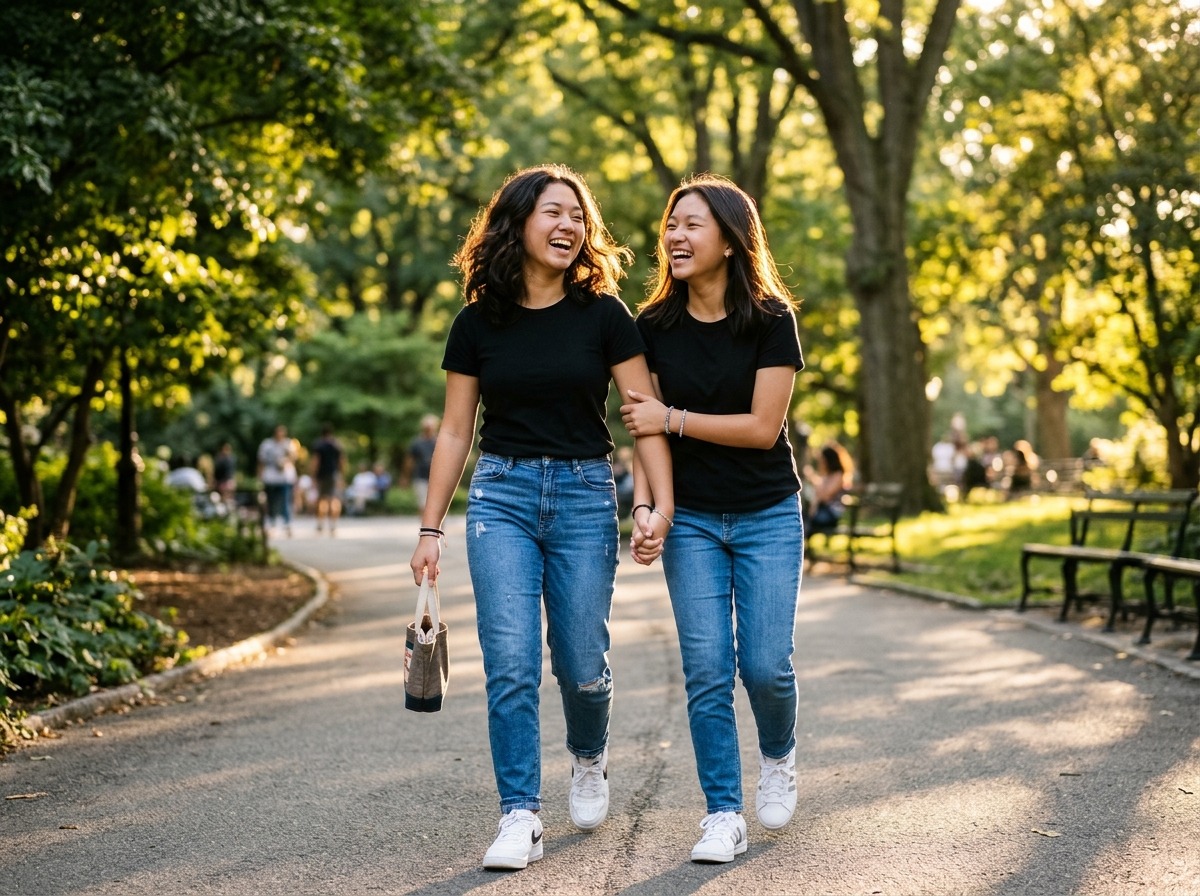
Witnessing children with special needs step onto the stage of a fashion show or art festival with radiant smiles is a sight that always stirs the soul. Behind those small steps, which may not be perfect, and their innocent gestures, shines a pure happiness that reminds us of the deepest essence of humanity: every soul yearns for a space to be accepted, valued, and loved for who they are.
- 5.1 What is the best way to interact with a special child in public?
- 5.2 What art activities are most beneficial for developing the motor skills of a special child?
- 5.3 How can I teach my own child to empathize with special friends?
- 5.4 Do art stages aid in the developmental therapy of children with special needs?
The world of creativity and art possesses a magical power to dismantle social barriers, opening inclusive stages where special children can express themselves without fear of judgment. The presence of these inclusive spaces is not merely a fleeting entertainment platform but a crucial foundation for building their self-confidence and inherent dignity.
Dismantling Stigma Through the Language of Art and Creativity
For years, children with conditions such as Down syndrome, autism, or physical disabilities have often been viewed through a lens of passive pity or limiting constraints. Narrow social stigmas frequently confine them to private spheres, restricting their opportunities for equal interaction with the wider community.
When creative spaces like traditional fashion shows, dance performances, or cultural festivals open their doors to special children, this narrative of limitation instantly crumbles. The public is invited to witness that beyond every physical and cognitive challenge lies artistic talent, musicality, genuine expression, and extraordinary courage that deserves sincere applause and respect.
The Crucial Role of Family as a Pillar of Self-Confidence
Behind the confident smile of a special child bravely performing in public lies the tireless effort and unconditional love of their parents and family. Raising a child with special needs is an internal journey demanding exceptional patience, resilience in facing judgmental gazes, and unwavering faith in their child’s potential.
Parents who provide their children with opportunities to explore beautiful attire, learn to dance, or paint are sowing the seeds of belief that they are valuable. Warm and consistent family support acts as a primary fortress, shielding the child’s spirit from feelings of inadequacy, empowering them to step forward with cheerful smiles into the outside world.
Building a More Welcoming and Empathetic Society
True inclusivity is not merely about providing a symbolic stage once a year on a specific commemorative day. Inclusivity is a collective commitment to creating a welcoming social environment, from accessible public facilities and an education system that embraces diversity to social acceptance within everyday neighborhoods.
When neurotypical children become accustomed to seeing and playing with their special friends in creative settings, the seeds of empathy, tolerance, and social sensitivity are naturally sown from an early age. They learn to understand that differences are a natural part of life’s mosaic, enriching our shared human experience.
Valuable Lessons on Sincerity and the Meaning of Happiness
Special children teach us profound life lessons about the true meaning of happiness. In the adult world, often filled with pretense, exhausting competition, and an obsession with physical perfection, the sincerity of their laughter and innocence serves as a clear mirror that touches our conscience.
They do not perform to chase popularity trophies or superficial recognition; they perform because they feel pure joy in sharing beauty and love with those around them. Welcoming their presence with an open heart is a step towards restoring our own inner warmth as fellow creations of God.
Questions About Supporting Children with Special Needs in Public Spaces
What is the best way to interact with a special child in public?
Offer a warm, friendly smile. Avoid staring with intrusive gazes or whispering that creates awkwardness. Treat them and their parents with natural courtesy that respects their privacy.
What art activities are most beneficial for developing the motor skills of a special child?
Finger painting, playing with soft modeling clay, dancing to relaxed music, and stringing large beads are excellent for sensory stimulation and fine motor coordination.
How can I teach my own child to empathize with special friends?
Explain in simple terms that everyone is created by God with unique gifts and different ways of learning. Encourage them to greet and invite these friends to play without discrimination.
Do art stages aid in the developmental therapy of children with special needs?
Yes, significantly. Art activities and public performance enhance dopamine production, alleviate social anxiety, and playfully train the child’s focus and concentration.
Salwa Salon Editorial Note: Every child born into this world carries a spark of goodness and divine glory from the Creator. Special children are lanterns of sincerity, reminding us to always be grateful, patient, and to expand the space for love within our hearts. Embrace them with warmth, give them a stage to shine, for within the innocence of their smiles lies a heavenly beauty that soothes the world.
Opening inclusive spaces for special children is a manifestation of a civilized and noble-hearted society. By providing platforms for appreciation, valuing their courage, and spreading unconditional love, we are collectively weaving a warmer, more just, and truly happy life.