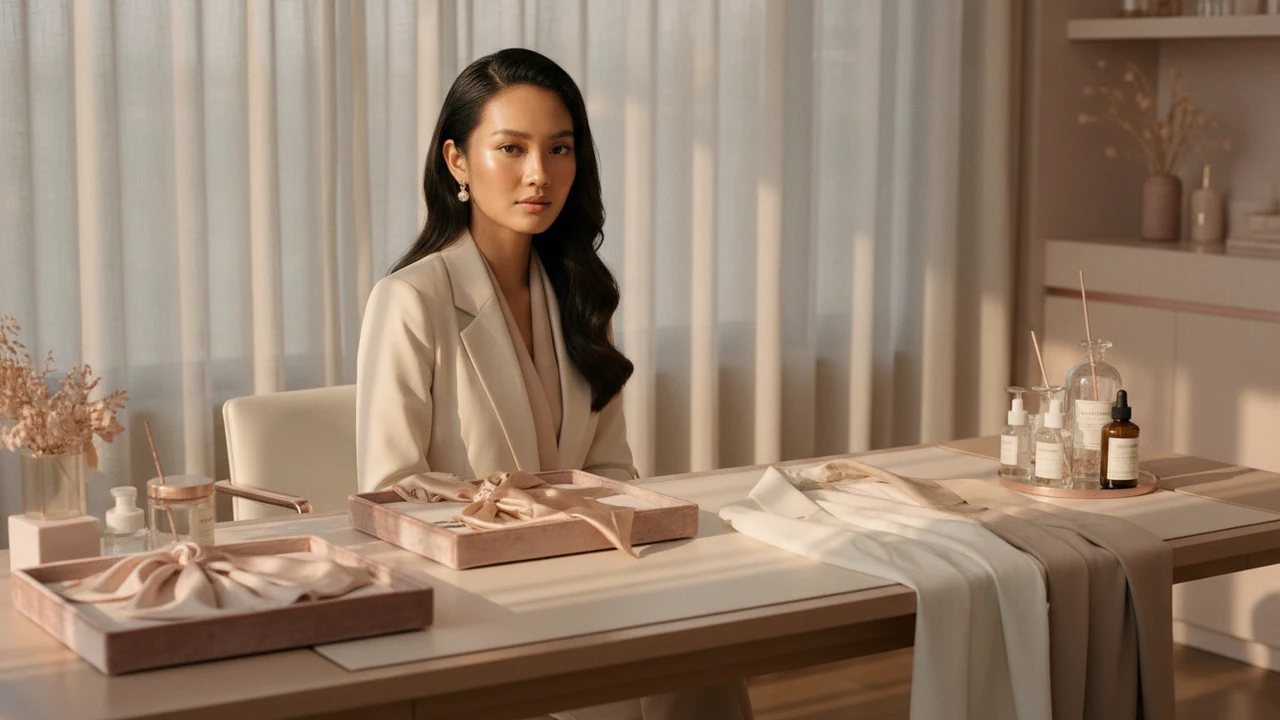
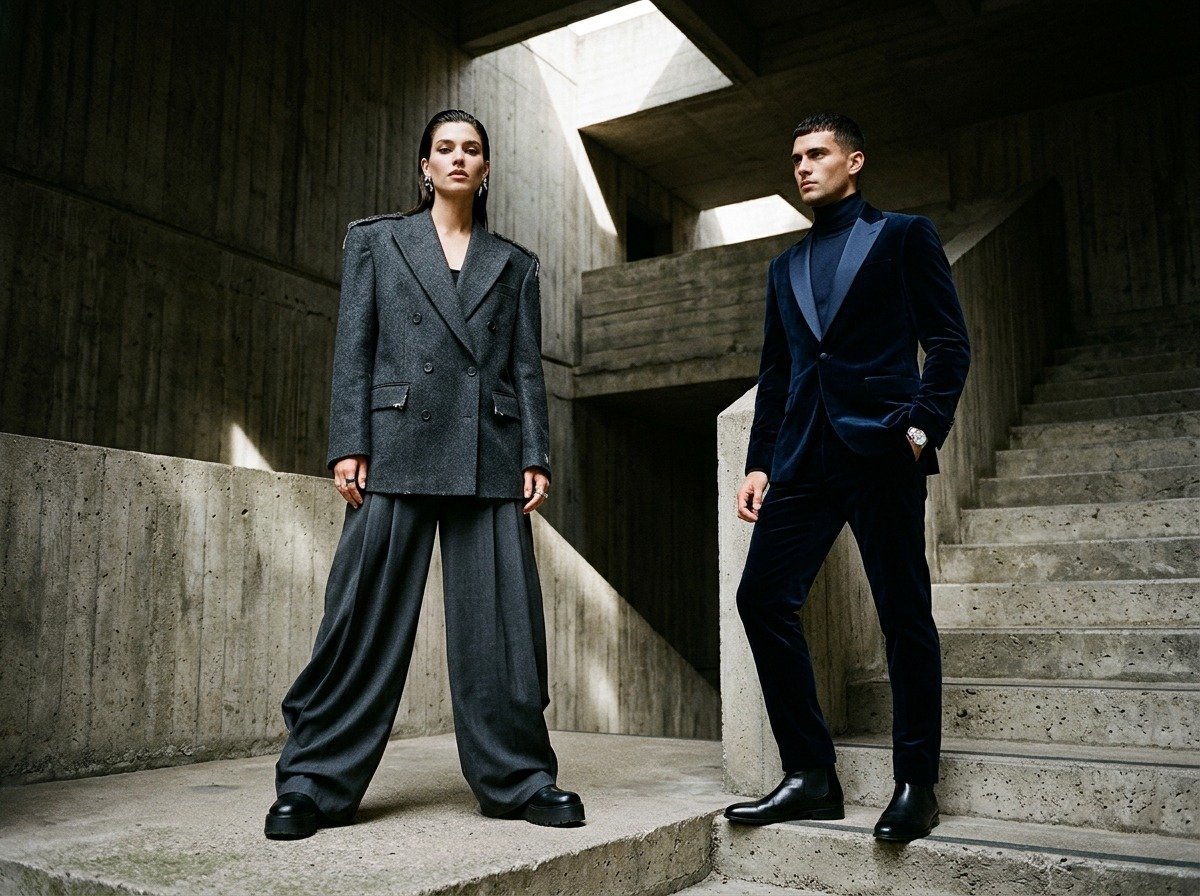
The richness of Nusantara textiles once again proves its magical allure on the international stage. Ulos fabric—the traditional woven textile, a pride of the Batak people in North Sumatra—imbued with sacred values and life blessings, has now transformed into contemporary haute couture that captivates global fashion enthusiasts at prestigious world fashion weeks.
The transformation of ulos fabric into modern attire, without discarding its philosophical essence, demonstrates that our nation’s ancestral heritage possesses timeless aesthetic elasticity. Tracing the journey of this woven textile fills us with profound pride and inspiration on how to infuse traditional culture into contemporary style.
The Sacred Meaning and Philosophy of Warmth in a Piece of Ulos
For the Batak people, ulos is not merely a piece of cloth to cover the body, but a symbol of bestowing blessings, affection, and warmth (mambere ulos). According to Batak ancestral philosophy, there are three sources of warmth for humans: the sun, fire, and ulos. Ulos is present in every cycle of human life, from childbirth, marriage, to the return to the Creator’s embrace.
Each type of ulos has its own function and pattern: Ulos Ragidup symbolizes life and prayers for descendants, Ulos Ragi Hotang signifies the strength of marital bonds, while Ulos Sadum radiates joyful, colorful vibrancy. Understanding these symbolic meanings is crucial so that the processing of this textile into modern apparel continues to uphold its cultural honor.
Traditional Weaving Expertise and Natural Dyeing
The specialty of ulos fabric lies in the complexity of its creation process, which entirely relies on the dexterity of female weavers (partonun) using traditional backstrap looms. The weaving process for a high-quality piece of ulos can take weeks to months.
A significant innovation now appreciated by the international community is the resurgence of eco-friendly natural dyes. Extracts from salaon leaves for indigo blue, mahogany bark for warm brown, and turmeric and forest tree sap yield a palette of soft, dignified, and nature-friendly natural colors, aligning with the global spirit of sustainable fashion.
Pattern Deconstruction: Merging Woven Structure with Modern Silhouettes
The greatest challenge in transforming traditional woven fabric into contemporary apparel is its inherent characteristic of being thick, dense, and stiff. Leading Indonesian fashion designers have met this challenge with intelligent pattern deconstruction.
Ulos fabric is paired with flowing modern materials such as silk organza, fine wool cotton, or breathable linen. Ulos is crafted into structured long coats (outerwear), sharply tailored asymmetrical blazers, and evening gowns with geometric drapery accents. The result is a harmonious blend of ancient ethnic motif dignity and the elegance of metropolitan fashion cuts.
Cultural Diplomacy Through the Global Fashion Stage
The presence of ulos fabric on the international fashion stage, such as at fashion shows in Canada, Paris, or New York, is a highly effective form of cultural diplomacy. Through the universal language of fashion aesthetics, other nations can witness that Indonesia possesses a noble, civilized culture with a high artistic sensibility.
This appreciation also directly impacts the welfare of traditional weavers in the villages surrounding Lake Toba. Increased market demand for eco-friendly woven fabrics creates employment opportunities, empowers women artisans in remote villages, and ensures the preservation of weaving skills so they are not lost to time.
Questions Regarding the Care and Use of Modern Ulos Fabric
How should garments with hand-woven ulos accents be washed?
It is highly recommended to use dry cleaning or gentle hand washing with natural soap nuts or baby shampoo without harsh detergents.
Is it considered a cultural transgression to cut ulos fabric for modern apparel?
Modern fashion designers typically collaborate with customary leaders to distinguish between sacred ceremonial ulos that must not be cut and everyday ulos fabric that is specifically woven for daily wear.
How can an ulos blazer be styled for daily work attire?
Pair an ulos-accented blazer with straight-leg trousers in black or cream and a simple plain collared shirt, allowing the woven motif to be an elegant focal point.
How can one distinguish authentic hand-woven ulos from machine-made (printed) ulos?
Hand-woven ulos has a tangible raised texture when touched, the back of the fabric reveals neat warp and weft thread interlaces, and the fabric has a dense and substantial weight.
Salwa Salon Editorial Note: Nusantara textiles are prayers and ancestral souls woven into thousands of threads of patience. Wearing traditional woven fabric is not just about style; it’s about embracing national identity with pride and love. Honor the aged hands that weave them in remote corners of the country, care for the fabric with gentleness, and carry the noble charm of your nation’s heritage with graceful steps on the world stage.
Seeing ulos fabric gracefully unfurl on global fashion runways ignites a sense of pride in Indonesia’s rich cultural heritage. By blending noble traditional values with contemporary design creativity, we can preserve the masterpieces of Nusantara textiles as symbols of timeless elegance for all time.