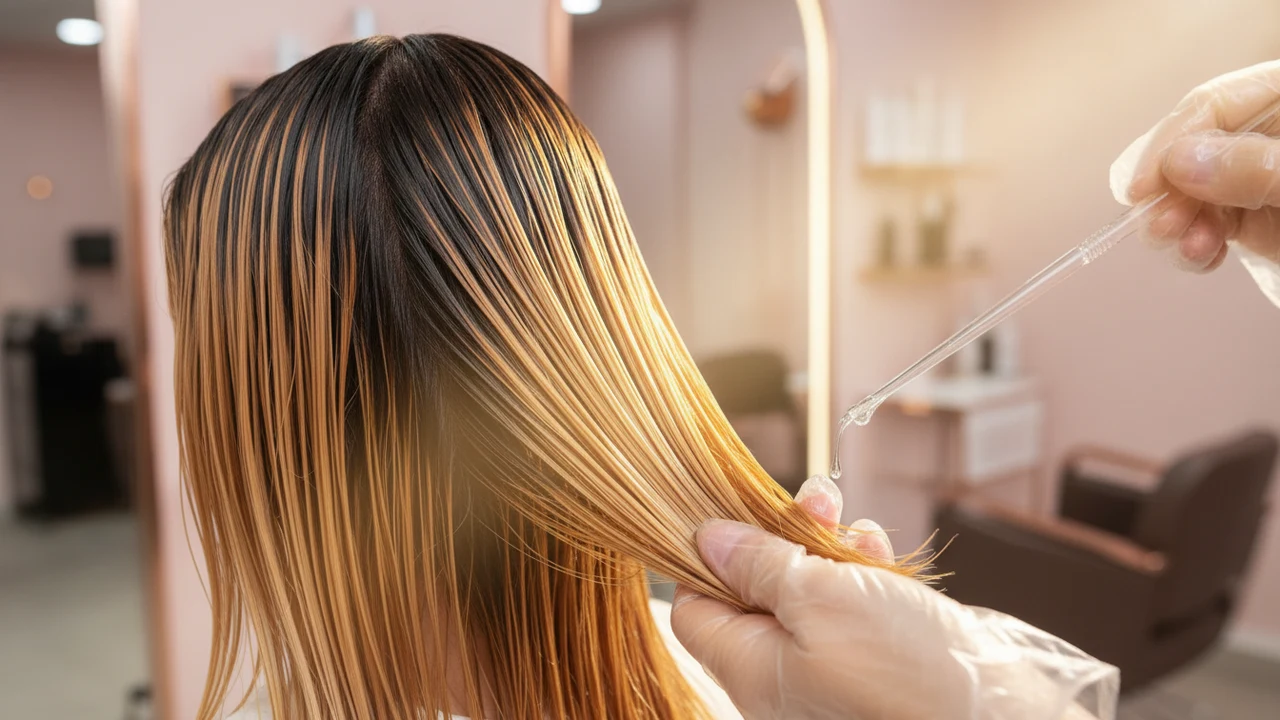
Transforming hair into vibrant hues like honey blonde, golden caramel brown, fiery copper red, or soft pastel shades consistently delivers a remarkably refreshing visual metamorphosis to one’s appearance. Inspired by global entertainment stage makeup trends and the styles of prominent public figures, many women are daring to step outside the comfort zone of their natural black hair to express their cheerful, dynamic, and youthful personalities. However, the stunning vibrancy of freshly colored hair often fades quickly if not complemented by a commitment to adequate protection.
The chemical process required to achieve bright hair colors necessitates a deep opening of the cuticle scales to allow developers and new color pigments to penetrate the hair’s cortex. This process inevitably strips away some of the hair’s natural lipid layer and compromises internal keratin bonds. Without a disciplined care protocol, these beautiful bright colors will rapidly fade to a dull, yellowish tone within just a few washes, while the hair strands become dry, brittle, and prone to breakage when brushed.
Understanding the Biological Needs of Post-Bright Color Hair
Several key pillars are essential for maintaining the health of your colored crown:
1. Locking Pigments Within the Cortex with Specialized Shampoo?
Synthetic hair dye molecules are very small and easily washed away by harsh sulfate detergents in regular shampoos. Using a sulfate-free shampoo with a low acidic pH (around 4.5–5.0) helps to re-tighten the loosened cuticle scales, effectively locking color particles within the hair shaft.
2. Maintaining the Balance Between Hydration and Protein?
Color-treated hair requires a balanced combination of nutrients: micro amino acids to reinforce fragile keratin bonds, and natural botanical oils (such as argan and jojoba oil) to lubricate the outer surface of the hair strands, keeping them supple and pliable.
3. Protection Against Solar Ultraviolet Radiation?
Tropical sunlight acts like a natural bleaching agent, rapidly oxidizing hair dye pigments. Wearing protective headwear or using a UV-filtered hair spray is highly recommended when spending extended periods outdoors.
Routine Steps for At-Home Colored Hair Care
Implement the following self-care discipline to ensure your hair color lasts:
- Delay Shampooing for Seventy-Two Hours Post-Coloring: Allow a minimum of three full days for the hair cuticles to close completely and lock in the color pigments before your first wash.
- Use Cool Water When Shampooing: Cool-temperature water is a colored hair’s best friend, as it prevents the cuticles from opening and releasing color particles into the rinse water.
- Apply a Highly Moisturizing Hair Mask Once a Week: Replace your daily conditioner with an intensive nourishing hair mask once a week to restore suppleness to dry hair strands.
- Limit the Use of Hot Styling Tools: Extreme heat from flat irons can instantly “burn” color pigments. If you must style your hair, always apply a heat protectant serum first.
The beauty of a hairstyling masterpiece shines when its color’s allure harmonizes with the softness of its texture. Tending to the gift of self-beauty with diligent care is a form of gratitude for the charm of life we lead.
Avoiding Habits That Accelerate Color Fading
Steer clear of the following practices that can compromise your new hair color:
Avoid Swimming Pool Water High in Chlorine
Chlorine in swimming pool water chemically reacts with hair dye pigments and can turn your bright blonde into an uneven, dull greenish hue. Wear a waterproof swim cap if swimming.
Do Not Brush Hair Roughly When Wet
When wet, the elasticity of colored hair strands is extremely fragile. Always use a wide-tooth comb and gently detangle hair strands from the bottom ends upwards.
Frequently Asked Questions About Colored Hair Care
How long does vibrant hair color typically last before fading?
Semi-permanent vibrant colors usually last between four to six weeks, while permanent colors can last up to eight to ten weeks with disciplined use of sulfate-free shampoo.
Is it permissible to have a creambath treatment at the salon after coloring hair?
Yes, provided it is done at least two weeks post-coloring and the therapist uses a color-safe cream without excessively high-temperature steam.
How can I manage my natural roots that are starting to grow out?
You can opt for a root touch-up coloring every four to six weeks without needing to re-color the entire length of your hair, thereby minimizing damage to the lower hair strands.
Is pure coconut oil safe for newly colored hair?
Coconut oil is excellent for nourishing dry hair, but with certain types of hair dye, concentrated coconut oil can slightly lift color pigments if left on for too long. Consider using lighter-weight argan oil as an alternative.
Hair color transformations bring a new spirit and joy in expressing one’s identity. Care for your crowning glory with warm diligence, and let your hair color’s healthy, captivating radiance shine through on every occasion.