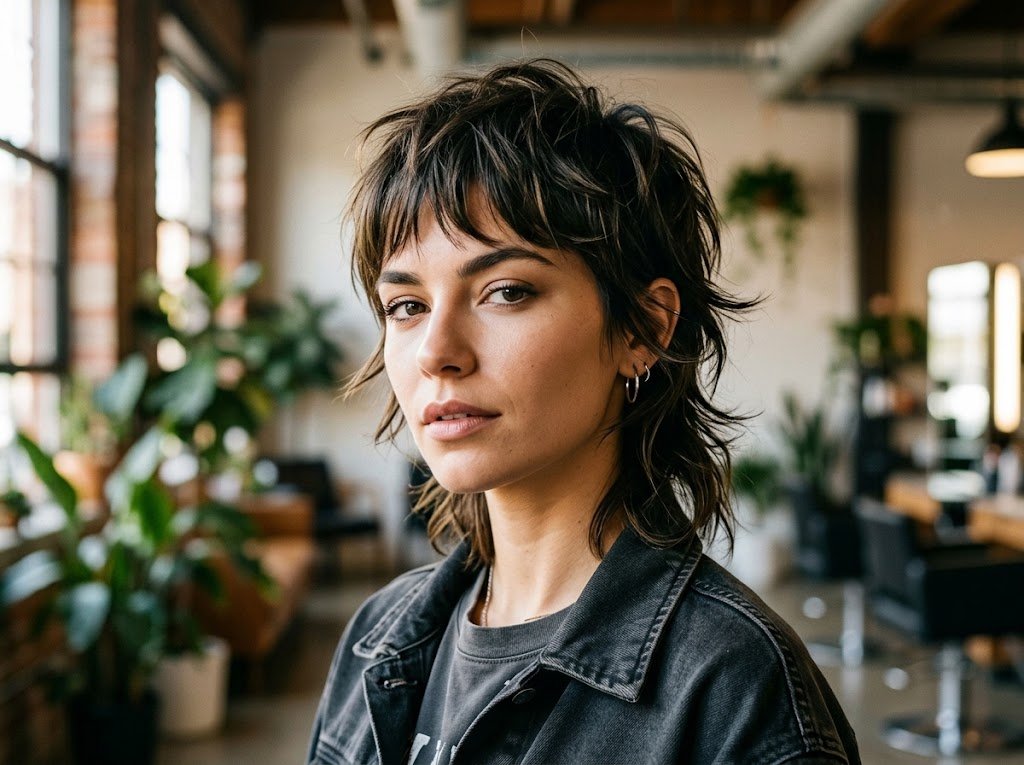
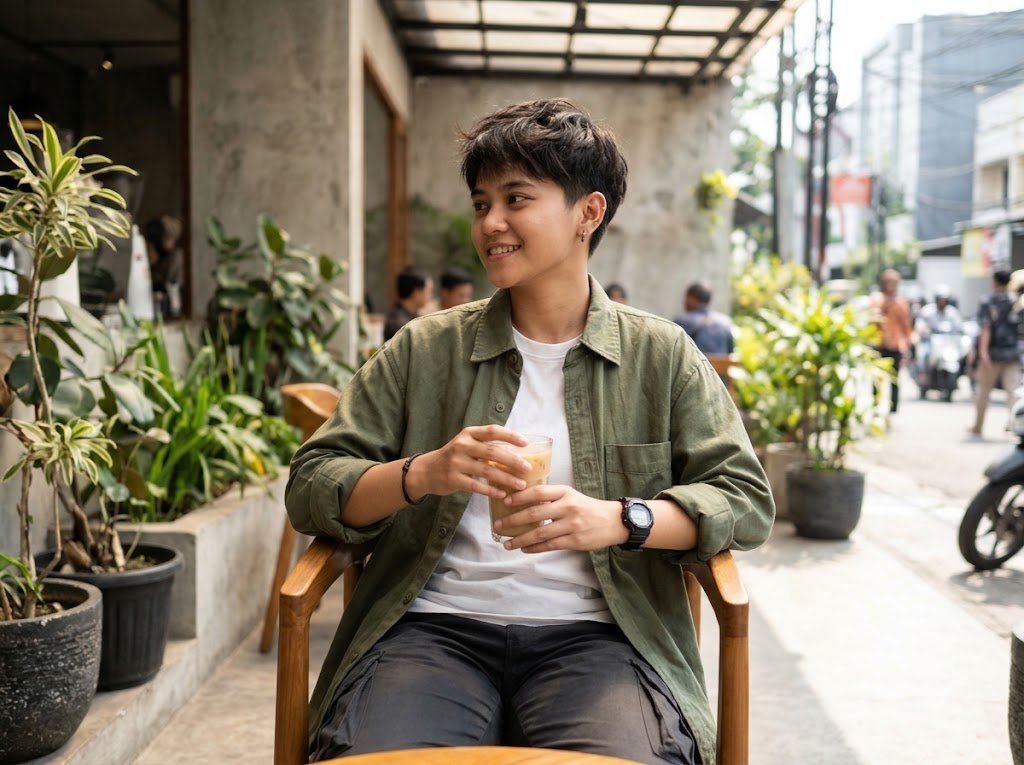
In the dynamic landscape of contemporary women’s hairstyling, a shift is underway from rigidly perfect coiffures to a more relaxed, liberated, and naturally nuanced aesthetic – the coveted ‘effortless beauty.’ While in the past, the bob haircut was synonymous with blunt, straight lines requiring daily straightening sessions, a new, more characterful interpretation has emerged: the naturally textured bob, often dubbed the ‘cowgirl bob’ on fashion runways. This hairstyle masterfully blends the practicality of a shoulder-grazing cut with artfully disheveled texture and volume, creating a silhouette that is bold, dynamic, and radiates the independent spirit of the modern woman.
The secret to the success of this textured bob lies in the subtle, choppy layering technique, which removes weight without sacrificing density. The ends are cut at intentional, random angles, allowing natural waves and texture to flow freely, framing the jawline. This style is ideal for those who embrace the ‘bedhead’ aesthetic and want to look effortlessly chic without spending hours in front of the mirror before their day begins.
Unique Characteristics of the Naturally Textured Bob
Several design elements distinguish this cut from the conventional bob:
1. Length Falling Between the Chin and Shoulder?
The hair length is designed to graze the nape of the neck or fall just above the collarbone. This length provides ample movement, allowing strands to bounce naturally as you navigate your day.
2. Choppy and Wispy Ends?
Stylists employ techniques like point cutting or specialized salon razors to create artfully uneven ends, imparting a look of fullness and volume that feels remarkably lightweight.
3. A Sweet Pairing with Textured Curtain Bangs?
This style is frequently complemented by center-parted curtain bangs whose ends softly blend into the side layers, creating a face-framing effect that beautifully enhances the eyes without appearing rigid.
A Guide to Styling Your Textured Bob in Minutes
Styling this haircut is incredibly forgiving for busy morning routines:
- Mist Sea Salt Spray onto Damp Hair: After gently towel-drying, spritz a lightweight sea salt spray from mid-lengths to ends to encourage the formation of beachy waves.
- Utilize a Diffuser Attachment on Your Hair Dryer: Dry your hair using a diffuser attachment, scrunching the ends upwards with your palms to enhance natural volume.
- Dishevel Your Part with Your Fingers: Avoid using a fine-tooth comb, which can disrupt the wave pattern. Instead, use your fingers to create a casual, off-center part for an effortlessly captivating look.
- Apply a Small Amount of Matte Hair Paste to the Ends: Take a tiny amount of matte texturizing paste on your fingertips and twist a few front-strands to define the wave pattern.
True beauty radiates when we dare to embrace our authentic selves, imperfections and all. The gentle care of natural texture exudes a warmth and authenticity that cannot be replicated by artifice.
Maintaining the Softness of Textured Strands
Even with a deliberately tousled texture, hair requires moisture to prevent frizz and dullness:
Apply a Lightweight Jojoba or Argan Oil to the Ends
Apply a single drop of a lightweight botanical oil to your hair ends each morning to combat dryness from air friction without compromising texture or volume.
Don’t Skip Regular Hydration Masks
Incorporate a moisturizing mask, ideally formulated with aloe vera and hyaluronic acid, once a week to keep strands supple and resilient.
Frequently Asked Questions About Textured Bob Haircuts
Is a textured bob suitable for fine, limp hair?
Absolutely. The choppy layering technique inherent in this style effectively breaks up the flatness of fine hair, creating the illusion of significantly more body and movement.
How can I manage this style if I have very thick, voluminous hair?
Ask your stylist to debulk the interior layers to remove excess weight. Applying a hydrating leave-in cream before styling will also help prevent the hair from becoming overly frizzy.
Can I tie back my textured bob for exercise?
Yes. The length is typically sufficient to create a mini ponytail at the nape of the neck or to secure with a medium-sized claw clip.
How often does this haircut need salon maintenance?
A key advantage of the natural texture style is its ability to look good even as it grows out. You’ll likely only need a trim every eight to ten weeks.
The comfort of a naturally flowing hairstyle liberates the mind from unnecessary daily complexities. Embrace the freedom of your style with warm confidence, and let your inner kindness beautify every step you take.