Transforming hair color is often an appealing choice for women looking to refresh their appearance, mark a new chapter in life, or simply camouflage emerging gray strands. Browsing a salon’s hair color catalog with cool ash brown gradients, warm caramel browns, to vibrant copper reflections is undeniably tempting. However, many women end up disappointed when their chosen hair color makes their complexion appear dull and sallow, or leaves their hair strands damaged and dry like straw.
Successful and elegant hair coloring fundamentally relies on two absolute considerations: the aesthetic harmony of the color with your natural skin undertone, and a commitment to preserving the integrity of the hair shaft’s biological structure from chemical damage. Selecting a hair color isn’t just about following viral social media trends; it’s an art of finding a hue that enhances your natural facial charm while ensuring your hair strands remain soft, luminous, and strong from root to tip.
Aligning Hair Color with Tropical Skin Undertones
The key to a radiant and fresh complexion post-coloring lies in the discernment of matching your underlying skin tone:
1. Skin with Warm Undertones?
Characterized by veins on the wrist that tend to appear greenish and skin that easily tans under the sun. The best color choices are warm chestnut brown shades, golden caramel, dark honey, or mocha brown. These colors provide golden reflections that make olive skin tones appear more vibrant, radiant, and exotic.
2. Skin with Cool Undertones?
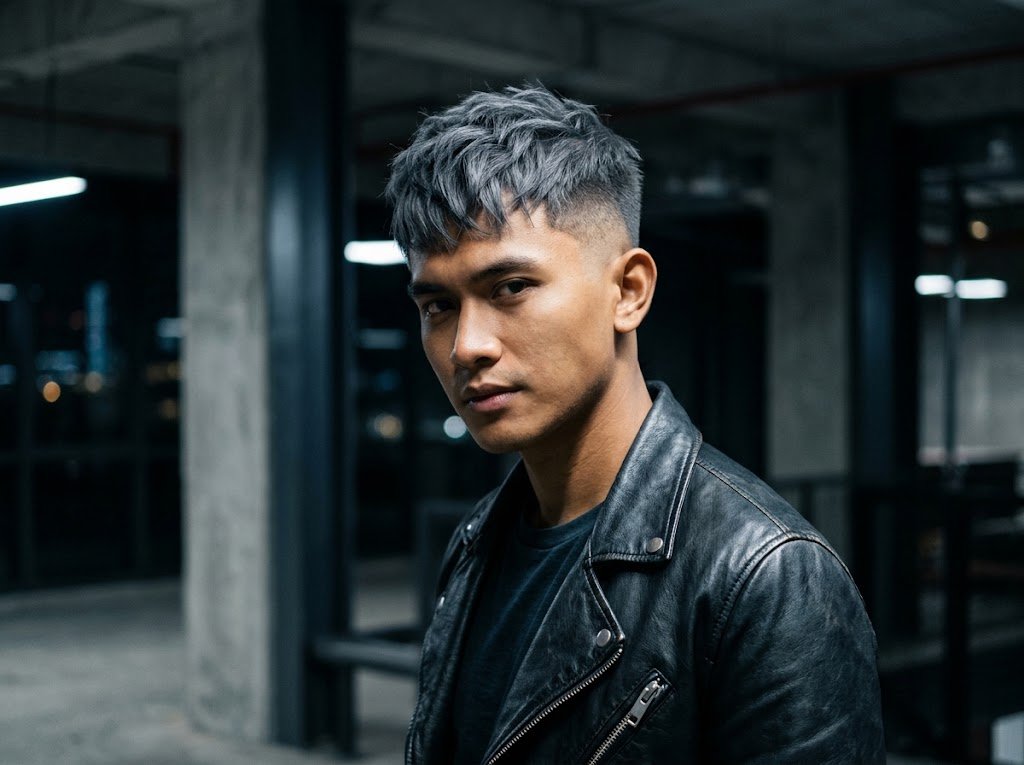
Indicated by bluish or purplish veins and skin that easily reddens when exposed to direct sunlight. Hair colors that are highly complementary include cool ash brown, deep espresso brown, burgundy plum, or bluish-black. These cool tones neutralize redness in the complexion and create an impression of cleaner, more sophisticated skin.
3. Skin with Neutral Undertones?
Possessing a mix of green and blue veins, making them highly flexible in adopting almost any hair color spectrum. Soft copper shades or dimensional brown balayage are the safest choices to naturally accentuate facial features.
Preserving Hair Structure Integrity from Coloring’s Chemical Effects
The hair coloring process involves chemical reactions that open the outer cuticle layers. Apply the following cautious principles to protect your hair’s health:
- Avoid Extreme Bleaching Processes: For an elegant everyday look and healthy hair, opt for hair coloring that is two to three shades lighter or darker than your natural hair color without requiring high-level bleaching.
- Choose Ammonia-Free or Low-Ammonia Formulas: Use modern coloring products enriched with protective botanical oils like argan oil or plant-based keratin to minimize damage to the hair’s protein fibers.
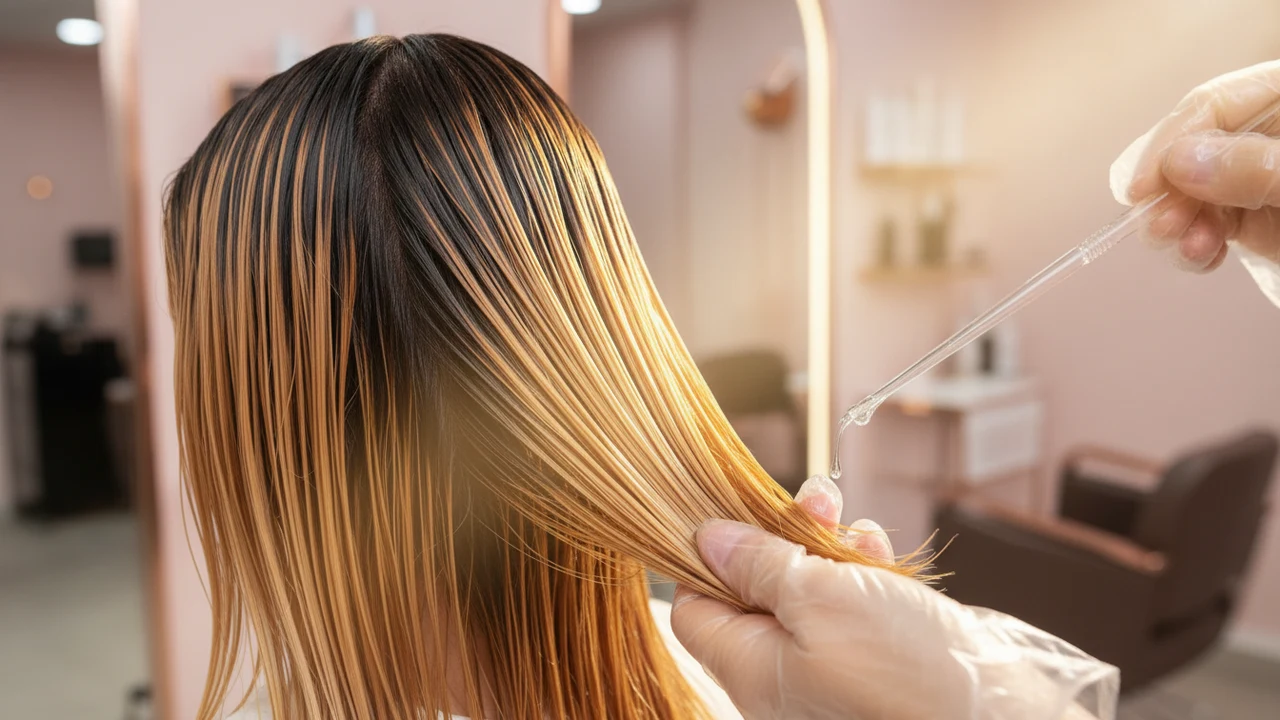
- Incorporate Bond-Builder Treatments: Ask your stylist to mix a hair bond-strengthening serum into the color mixture to protect the hair’s disulfide bonds from breakage during the oxidation process.
- Use Color-Protect Shampoo: Switch to sulfate-free shampoos specifically for colored hair to prevent rapid pigment fading and ensure the hair cuticle remains tightly sealed after washing.
Salwa Salon Editorial Note: The most beautiful hair isn’t the one with the most striking color, but rather hair that is healthy, soft, and reflects light in harmony with its owner’s personality. Cherish your crown by choosing treatments that respect its strength, not those that push it beyond its limits.
Questions About Women’s Hair Coloring
What is the safe interval before recoloring hair?
Allow a minimum of 6 to 8 weeks for root touch-ups, and avoid recoloring the entire hair shaft too frequently to prevent strand fragility.
Why does brown hair color often turn dull red or brassy orange?
This occurs because artificial color pigments gradually fade from shampooing and sun exposure, revealing the natural warm undertones of Asian hair. Use purple shampoo occasionally to neutralize it.
Are natural hair masks safe for newly colored hair?
They are very safe and recommended, especially masks made with coconut oil or avocado, to restore cuticle moisture that may have become dry post-coloring.
Is it safe for pregnant women to color their hair at a salon?
It is advisable to postpone hair coloring during the first trimester of pregnancy, or opt for coloring techniques that do not directly touch the scalp, such as balayage or ombre.
How can I address dry, split ends after coloring my hair?
Trim off 1 to 2 centimeters of damaged ends, then regularly treat your hair strands with a daily leave-in conditioner and hair oil after shampooing.
Hair coloring is a delightful form of self-expression when done with careful consideration and meticulous care. Choose a color that radiates your face’s best charm, and nurture your hair strands wholeheartedly so its beauty remains captivatingly radiant all day long.