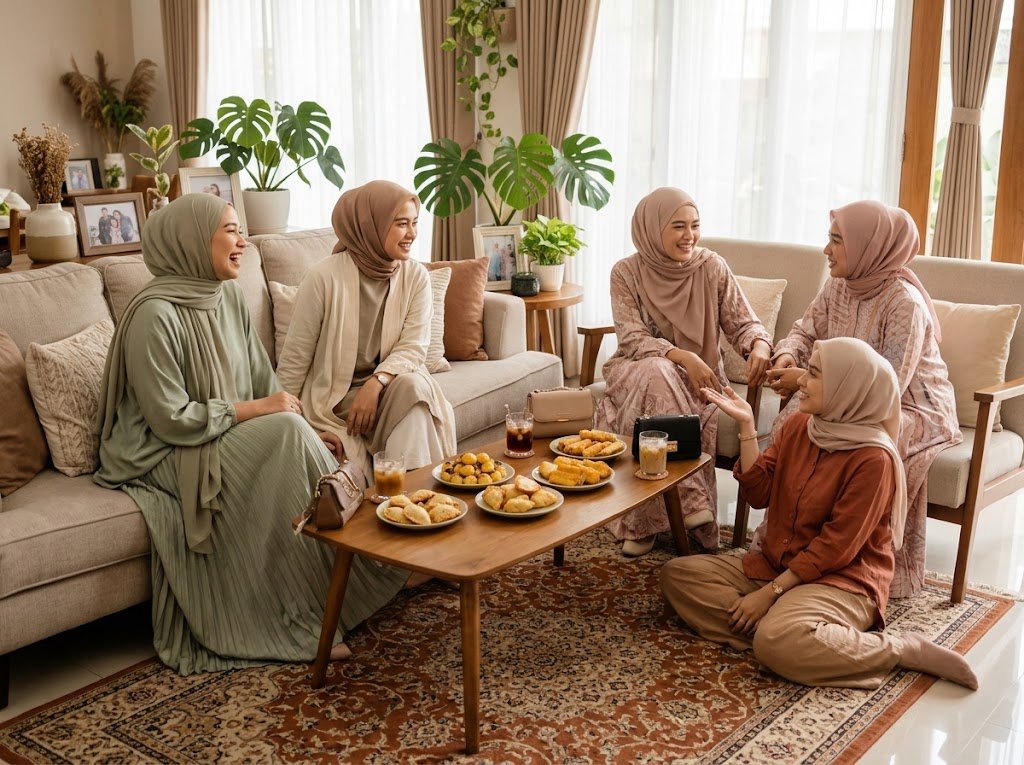
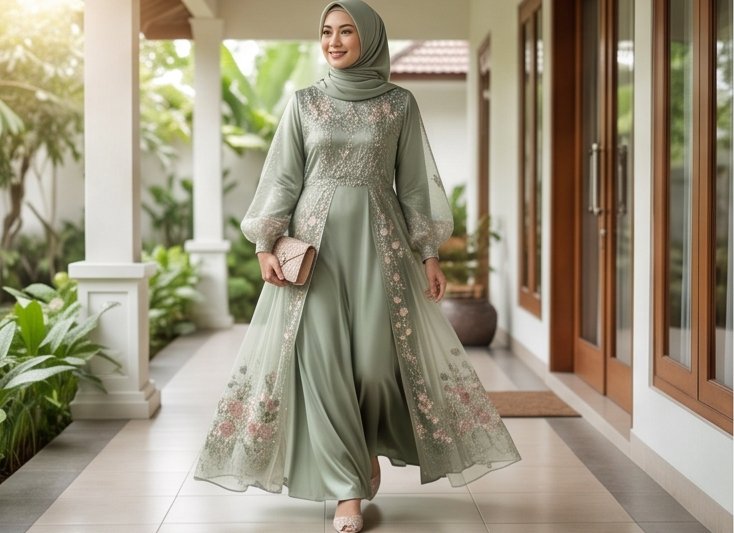
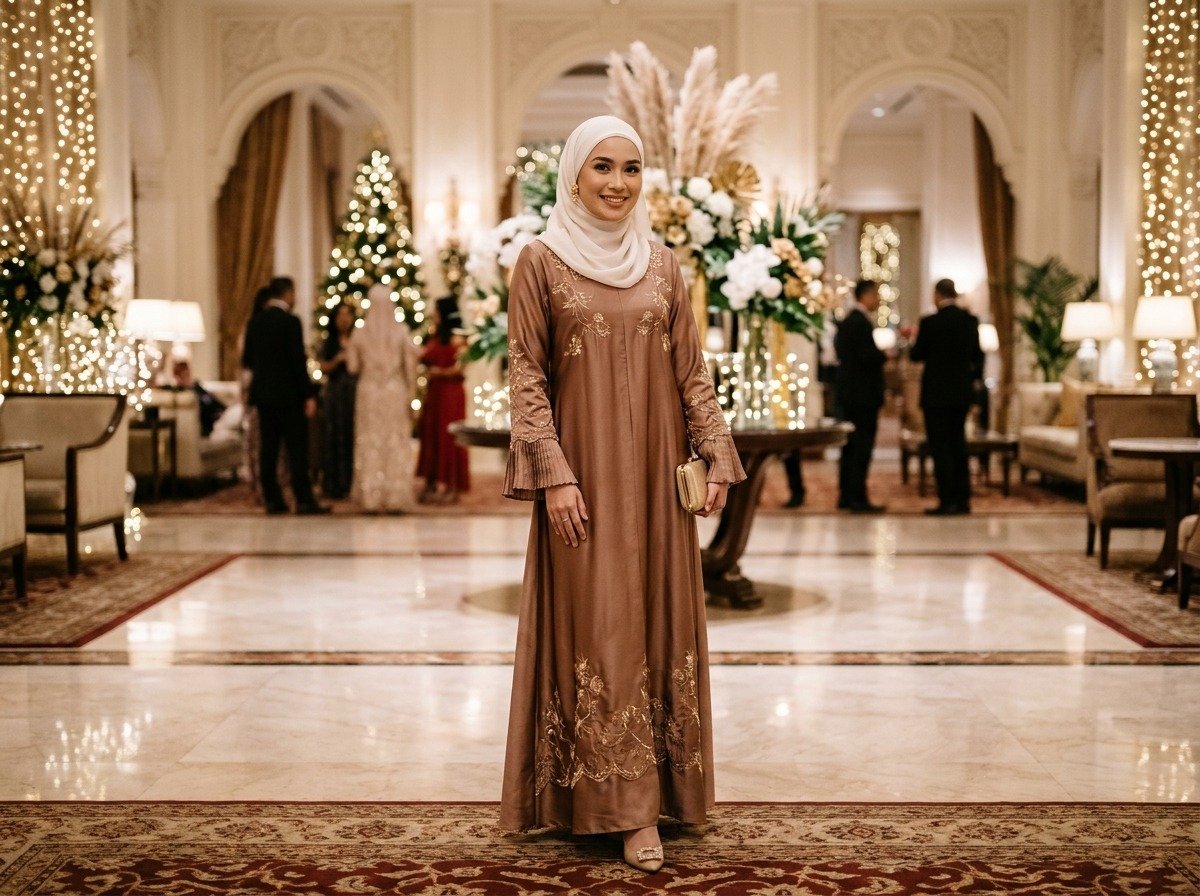
The vibrant development of modest fashion across the Indonesian archipelago is now showing encouraging dynamics, no longer solely concentrated in major metropolitan hubs. From coastal cities to hinterland support areas, women’s awareness for modest yet stylish presentation is flourishing, birthing a rich and varied spectrum of style expressions.
The evolution of modest fashion in various regions proves that modest apparel has become an integral part of personal identity, valuing local comfort, principles of modesty, and contemporary aesthetics. Exploring this phenomenon offers us valuable inspiration on how to blend sartorial simplicity with local cultural elegance for daily needs.
Decentralization of Modest Fashion Creativity Across Regions
We can now witness how local fashion designers and MSMEs in various regions are incorporating the richness of regional textiles into everyday modest wear. Touches of ikat weaving motifs, coastal batik, and songket harmoniously blend into modern abaya silhouettes, elegant tunics, and gracefully patterned square hijabs.
This local creativity not only adds a new dimension to the national fashion industry but also brings consumers closer to their own cultural roots. Regional communities are no longer mere passive recipients of external trends but are becoming style creators, proudly showcasing their heritage through modest apparel relevant to contemporary tastes.
Transition from Seasonal Attire to a Daily Lifestyle Choice
While in the past, quality modest apparel was often purchased only for religious holidays or weddings, there has now been a significant shift in consumption patterns. Modest wear has fully transformed into daily attire for work, university, shopping, and weekend relaxation.
This transition compels apparel manufacturers to place greater emphasis on fabric durability, ease of care, and thermal comfort. Daily wear is expected to withstand repeated washing, resist color fading, and feature practical cuts without compromising the elegant silhouette that ensures complete coverage.
Criteria for Modest Daily Apparel Suitable for Tropical Climates
Considering that Indonesia’s climate is generally warm with high humidity, fabric selection is the most crucial consideration for modest dressing. Thick, non-breathable layered clothing can trigger heat rash, skin irritation, and discomfort that hinders daily activities.
Prioritize apparel made from poplin cotton, naturally textured linen, or viscose rayon, which offer optimal air circulation. Loose-fitting silhouettes such as straight-cut gamis or tunics with side slits provide natural ventilation for the body, maintaining a cool skin temperature throughout the day under the sun’s glare.
Cultivating Appreciation for Local Brands and Tailors
One wise step in supporting the sustainability of regional modest fashion ecosystems is to make it a habit to purchase from local brands or utilize the services of tailors in our vicinity. Buying apparel made by local tailors allows us to achieve a perfect fit and reduces our carbon footprint from long-distance shipping.
Furthermore, a personal relationship with a local tailor provides the flexibility to customize garment designs according to personal comfort preferences, such as adding hidden pockets, widening sleeve openings, or selecting eco-friendly fabric types. These small actions contribute to the sustainable growth of the grassroots economy.
Questions About Regional Modest Fashion Trends
How can I style busy traditional patterned fabrics to maintain a modest appearance?
Pair traditional patterned fabrics or skirts with plain, neutral-toned tunics that match the base color of the pattern. Avoid wearing heavily patterned hijabs to maintain visual balance.
Is linen suitable for formal hijab work attire?
Absolutely, provided you choose densely woven linen, such as cotton-linen blends or linen blends that are less prone to creasing. Blazer-style cuts or collared tunics made from this material exude an elegant and professional aura.
How can I prevent the colors of patterned regional cotton apparel from fading quickly?
Wash garments with liquid detergent without bleach, use cold water, and dry them in a shaded, breezy area away from direct, excessive sunlight.
Do modest fashion trends in regional areas always follow urban styles?
Not always. Coastal regions tend to favor bright colors and lightweight fabrics, while mountainous areas prefer warm earth tones and mid-weight fabric layers that can retain warmth against the cold.
Editor’s Note from Salwa Salon: The true beauty of modest fashion lies in its ability to unite inner modesty with outward harmony. Appreciating local fashion trends in regional areas is a manifestation of our love for the rich tapestry of Indonesian identity. Choose attire that brings you peace, allows comfortable movement, and fosters gratitude for humble beauty.
The dynamic evolution of modest fashion trends across the nation teaches us that modesty in dress can go hand-in-hand with local cultural creativity. By selecting comfortable apparel, valuing the work of regional artisans, and upholding principles of modesty, we are gracefully preserving a legacy of noble character.