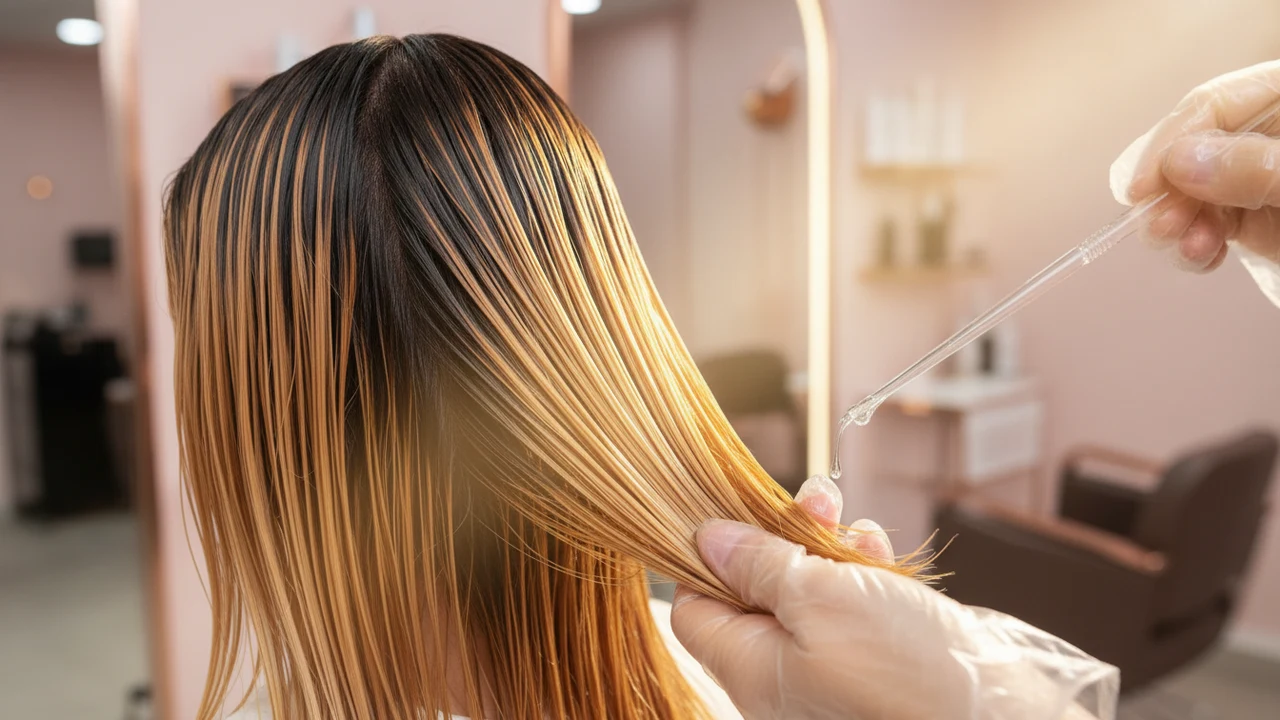
Transforming your hair color is one of the most expressive and enjoyable ways to refresh your personal look. However, for those new to hair coloring or concerned about the potential for hair fiber damage from harsh chemicals, selecting the right type of hair dye can often be confusing. The market offers various categories of non-permanent, temporary hair colorants, with two terms most frequently discussed: demi-permanent and semi-permanent hair dyes. These are often perceived as interchangeable, yet they operate with fundamentally different biological mechanisms.
Understanding the core differences between these two techniques will help you make the best choice aligned with your aesthetic goals, desired color longevity, and the long-term health of your hair fibers.
Decoding the Formula Mechanisms: Demi-Permanent vs. Semi-Permanent
The most fundamental distinction between semi-permanent and demi-permanent colorants lies in their use of a developer (hydrogen peroxide) and the depth of color molecule penetration into the hair shaft:
1. Characteristics of Semi-Permanent Hair Color
Semi-permanent hair color is a ready-to-use, direct dye formula that is entirely ammonia-free and does not utilize any hydrogen peroxide developer. Its color molecules are large and adhere only to the outermost surface of the cuticle layer, without penetrating into the hair’s inner cortex.
Because it only coats the exterior, semi-permanent color gradually fades with each shampoo and typically lasts between 4 to 8 washes. This formula is exceptionally gentle on fragile hair as it does not alter the hair’s original chemical structure.
2. Characteristics of Demi-Permanent Hair Color
Demi-permanent hair color is also free of harsh ammonia, but this formula is mixed with a low-concentration developer (typically 5 to 10 volume hydrogen peroxide). This mild developer gently lifts the cuticle scales just enough to allow small color pigment molecules to penetrate the outer layers of the hair cortex.
Consequently, demi-permanent color offers significantly longer-lasting adhesion, capable of remaining vibrant for 20 to 28 washes before naturally fading without leaving a stark regrowth line.
Side-by-Side Comparison: Which is Right for Your Needs?
Hair Damage Level
Semi-permanent color carries a zero percent risk of damage as it does not lift the cuticle at all. Demi-permanent color poses a very minimal risk of damage due to its use of a significantly lower peroxide concentration compared to conventional permanent dyes.
Gray Coverage Capability
Semi-permanent dyes can only impart a sheer, transparent tint to gray hair (approximately 20–30% coverage). In contrast, demi-permanent dyes can blend and camouflage grays by up to 50–70%, yielding a very natural-looking result.
Color Longevity and Fading
If you’re looking to experiment with a new shade for a weekend getaway or a special event lasting a couple of weeks, semi-permanent is the ideal choice. However, if you desire hair color that stays fresh for one to two months, demi-permanent is the winner.
The Advantage of Natural Fading Without a Demarcation Line:
One of the greatest benefits of choosing demi-permanent hair color over permanent dye is its gradual and seamless fading process. With permanent color, as new hair grows from the scalp, a stark line of demarcation is created, necessitating monthly root touch-ups. With demi-permanent colorants, the color fades slowly, allowing for a soft and neat transition between the colored strands and new growth. — Salwa Salon Editorial Team
Guide to Maintaining Vibrant, Long-Lasting Colored Hair
Preserving the beauty of temporary hair color requires proper cleansing habits:
- Use Sulfate-Free Shampoos for Color-Treated Hair: Harsh sulfate surfactants are the primary culprits for rapid pigment loss. Opt for pH-balanced, cuticle-friendly shampoos.
- Rinse Hair with Cool Water: Warm water opens the cuticle scales, allowing color molecules to wash away. Always rinse with cool water to help seal the cuticle.
- Reduce Shampoo Frequency: Limit washing to 2 to 3 times per week to prevent premature pigment erosion.
Frequently Asked Questions About Temporary Hair Color (FAQ)
Can semi-permanent or demi-permanent dyes lighten natural black hair?
No. Neither of these color types contains ammonia or high-dose peroxide needed to lift natural dark pigments. They can only add a similar tone or deepen existing hair color.
Is semi-permanent hair dye safe for pregnant individuals?
Ammonia-free and peroxide-free semi-permanent formulas are generally considered safer, but consultation with your obstetrician is still recommended before using any chemical product.
Can I use demi-permanent color on bleached hair?
Absolutely, and it’s highly recommended. Demi-permanent formulas are frequently used by professional stylists as color toners (glosses/glazes) to perfect blonde shades after bleaching without causing further hair fiber damage.
Does semi-permanent hair color stain bath towels?
Yes, for the first 1 to 3 washes after application, residual pigment on the hair’s surface may transfer slightly to towels. Use dark-colored towels when drying your hair.