For decades, fashion runways were often portrayed as an elite realm, exclusively accommodating a singular standard of physical perfection: slender, statuesque figures, precise gaits, and flawless facial features. However, slowly but surely, a new wave of consciousness is now flowing powerfully through the global and domestic fashion and beauty industries.
Inclusivity and diversity are no longer mere supplementary slogans in promotional materials; they represent a movement of conscience, restoring fashion to its fundamental purpose: as a medium for celebrating humanity, a vessel for self-expression, and a welcoming space for self-acceptance for every individual, regardless of their physical background or special needs.
Heartwarming Moments on Inclusive Fashion Stages
One of the most touching sights at various regional arts and cultural events recently has been the presence of talented children and teenagers with special needs, including friends with Down syndrome and physical disabilities, proudly walking the fashion show runways. The thunderous applause from the standing ovation audience was not merely formal appreciation but an outpouring of emotion for the triumph of love and acceptance.
Witnessing their genuine smiles adorned in traditional woven attire and gowns designed by local couturiers proves that true elegance is never born from uniformity of body size. Elegance radiates from the authenticity of the soul, the courage to present oneself as is, and the sparkle of happiness when an individual feels valued and accepted by their community.
Breaking Down Rigid Beauty Standards
This paradigm shift brings a breath of fresh air to our perception of everyday beauty. Previously, many women and teenagers felt anxious, believing their body shapes, skin tones, or hair textures didn’t align with the images presented in mainstream fashion magazines.
1. Representation of Skin Tones and Hair Textures?
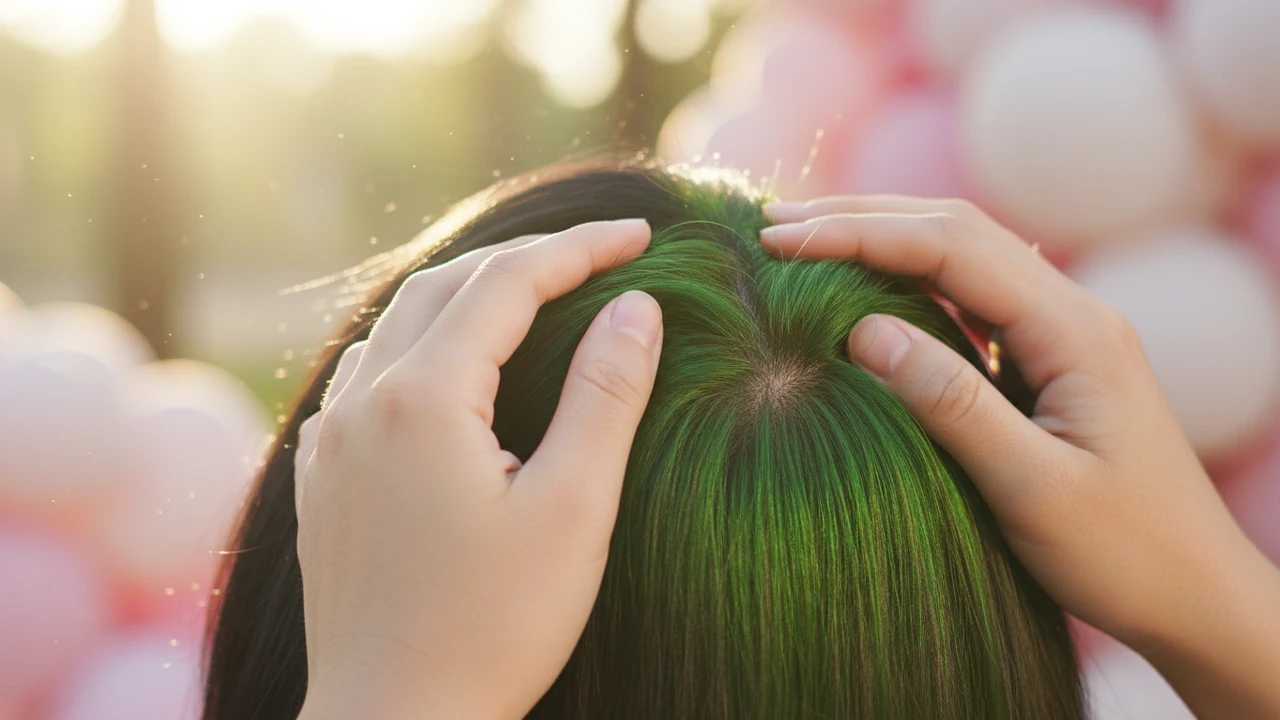
Now, fashion stages are beginning to celebrate the uniqueness of warm olive skin tones, exotic deep complexions, and the beauty of naturally curly indigenous hair textures. Fashion designers and professional makeup artists increasingly understand that imposing a single beauty standard only extinguishes the captivating richness of local identities.
2. Disability-Friendly and Adaptive Apparel?
Inclusivity has also spurred innovation in adaptive clothing. Designers are now creating garments with magnetic closures, easily accessible zippers, and ergonomic cut patterns that empower individuals with mobility limitations to dress themselves independently and with dignity.
Psychological Impact on Young Generations
When children and teenagers see figures representing their own conditions walking confidently on fashion runways or in media campaigns, a profound message is embedded in their subconscious: “I am worthy, I am beautiful, and my world has a place for me.”
The support of parents, artisan communities, and educators who mentor these models with special needs forms the foundational bedrock for building the mental well-being of the next generation. They are no longer viewed through the lens of limitations but are empowered through their artistic talents, graceful movements, and courageous self-expression.
The Role of Local Communities in Nurturing Inclusive Spaces
The inclusivity movement must not be confined to major cities. Arts communities, makeup artists, and creative industry players in various regions of Indonesia bear a moral responsibility to open the widest possible doors for collaboration with our friends with disabilities.
Involving them in workshops for batik making, basic makeup application, and traditional fashion shows at regional festivals are concrete steps towards weaving a tapestry of brotherhood. Through these collaborations, we learn that beauty is not exclusive but a shared wealth that flourishes through empathy and mutual embrace.
Editor’s Note from Salwa Salon: True beauty possesses an infinite spectrum, embracing each creation with its unique essence. Fashion stages that celebrate inclusivity teach us that when we create space for others to shine, we are, in fact, illuminating our own humanity with profound warmth and respect.
Questions About Inclusivity in the Fashion World
What is the concept of inclusive fashion?
Inclusive fashion is an approach to garment design and presentation that embraces diversity in body shapes, genders, ages, ethnicities, as well as accessibility for individuals with physical or sensory disabilities.
How can the general public support the inclusive fashion runway movement?
By offering genuine appreciation, sharing positive narratives without condescending pity, and supporting local brands that empower artisans and models with special needs.
Is the salon and beauty industry also moving towards inclusivity?
Absolutely. The modern beauty industry is increasingly prioritizing disability-friendly services, providing accessible salon facilities, and offering skincare and haircare products suitable for diverse skin and hair types without discrimination.
Let us continue to sow seeds of kindness and open up the widest possible spaces for every individual to express themselves. Ultimately, the stage of life is designed to be spacious enough for all of us to move forward together with dignity and smiles.