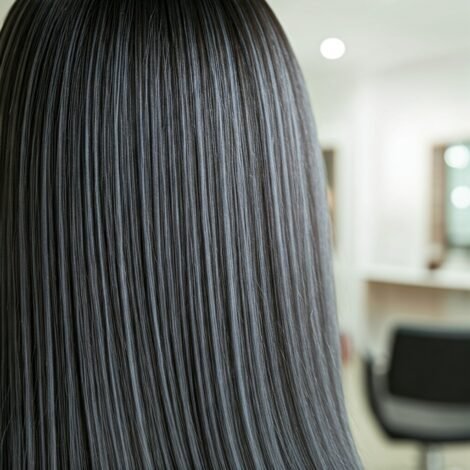
Discovering a single white or silver strand amidst your dark hair while looking in the mirror in your teens or early twenties can often trigger shock and concern. For many young individuals, gray hair is exclusively associated with advanced biological aging, making its appearance during their prime years a potential blow to self-confidence and social engagement.
In the realm of dermatological medicine, the phenomenon of hair turning gray before the age of 30 is known as premature canities. This condition isn’t a sign of overall aging but rather an indication that genetic factors, lifestyle choices, or oxidative stress are impacting the activity of pigment-producing cells in the hair follicle.
The Biology Behind Natural Hair Pigmentation
The natural black or brown color in human hair is produced by specialized cells called melanocytes, located within the hair bulb. Melanocytes generate melanin pigment, which is then infused into keratinocytes as the hair shaft grows.
As the follicle’s life cycle progresses, melanin production can slow down or cease entirely. When melanocytes stop supplying melanin to the newly forming hair shaft, the strand becomes filled with microscopic air bubbles and transparent keratin proteins, which optically reflect white or silver light.
Factors Triggering Premature Graying
1. Oxidative Stress and Natural Hydrogen Peroxide Accumulation?
Every cell in the human body produces a small amount of hydrogen peroxide as a metabolic byproduct. Under normal conditions, the enzyme catalase within the follicle breaks down this compound into water and oxygen. However, prolonged mental stress, high air pollution, or sleep deprivation can drastically reduce catalase levels. Consequently, hydrogen peroxide accumulates in the follicle, gradually bleaching the melanin pigment from within.
2. Genetic Predisposition and Heredity?
Genetics is the most dominant factor determining when an individual begins to gray. If one or both of your parents experienced gray hair in their early twenties, it’s highly probable that your hair follicles are biologically programmed for melanocyte function decline within a similar age range.
3. Micronutrient Deficiencies (Vitamin B12, Zinc, and Iron)?
A deficiency in vitamin B12 (cobalamin) is closely linked to pernicious anemia, which impairs the supply of oxygen and nutrients to hair follicles. Additionally, the minerals copper and zinc act as crucial co-factors for tyrosinase, the enzyme responsible for melanin production.
4. Smoking Habits and Exposure to Pollutants?
Health research indicates that active smokers are two and a half times more likely to experience gray hair before age 30 compared to non-smokers. Nicotine and chemical toxins trigger vasoconstriction of the capillaries in the scalp, limiting oxygen supply to melanocytes.
The Dangers of Forcefully Plucking Gray Hairs:
The popular myth that plucking one gray hair will result in ten new ones is not medically proven, as a single follicle produces only one hair strand. However, forcefully plucking gray hairs is highly detrimental to scalp health. Rough pulling can injure the follicular wall tissue, damage the growth matrix, trigger bacterial infections (folliculitis), and in the long term, cause permanent follicle death, leading to patchy bald spots that are difficult to regrow hair from. — Salwa Salon Editorial Team
Natural Steps to Care for and Slow Down Premature Graying
Support melanocyte vitality through daily care:
- Increase Consumption of Antioxidant-Rich Foods: Enjoy berries, spinach, carrots, green tea, and nuts to help neutralize free radicals in your body’s tissues.
- Traditionally Use Pure Kukui Nut Oil: Kukui nut oil is rich in essential fatty acids and phytonutrients that have long been known to lubricate hair shafts and maintain their natural dark luster.
- Manage Stress with Breathing Exercises and Regular Exercise: Aerobic exercise improves blood circulation throughout the body, including to the scalp capillaries.
Frequently Asked Questions (FAQ)
Can gray hair that has already turned white naturally revert to black?
If graying is triggered by genetic factors or aging, the strands cannot turn black again. However, if it’s caused by vitamin B12 deficiency or acute stress, nutritional correction can sometimes restore pigmentation in newly growing hair strands.
Does hair coloring worsen gray hair growth?
High-quality, ammonia-free hair dyes do not damage melanocytes within the follicle; coloring only coats the outer hair shaft.
Can taking biotin supplements prevent gray hair?
Biotin strengthens hair strands to prevent breakage, but copper and B-complex vitamins are more specifically involved in supporting melanin pigment enzyme function.
When should I consult a doctor about premature graying?
If graying occurs very rapidly and is accompanied by symptoms of chronic fatigue, significant unintentional weight loss, or patchy hair loss, get blood tests to check thyroid function and vitamin levels.
Conclusion
The appearance of gray hair at a young age is a natural signal from your body to pay closer attention to lifestyle balance, nutritional intake, and daily stress management. By diligently caring for your scalp, maintaining a balanced diet, and approaching physical changes with calm maturity, you will always radiate a complete sense of self-assured charm.