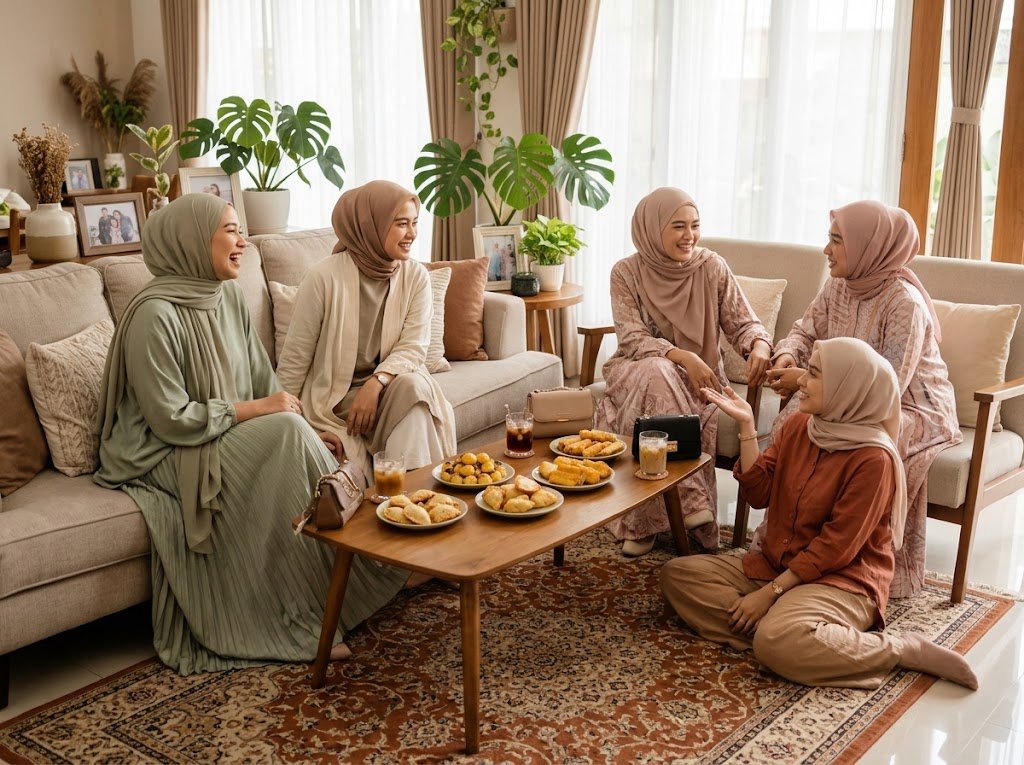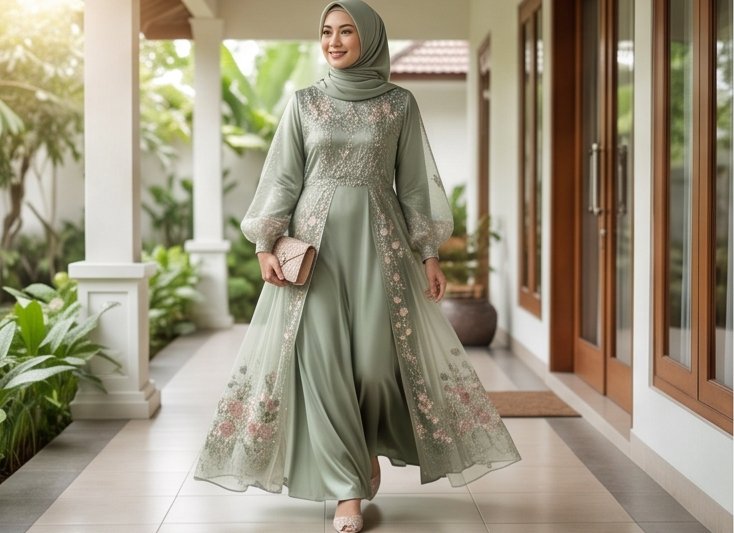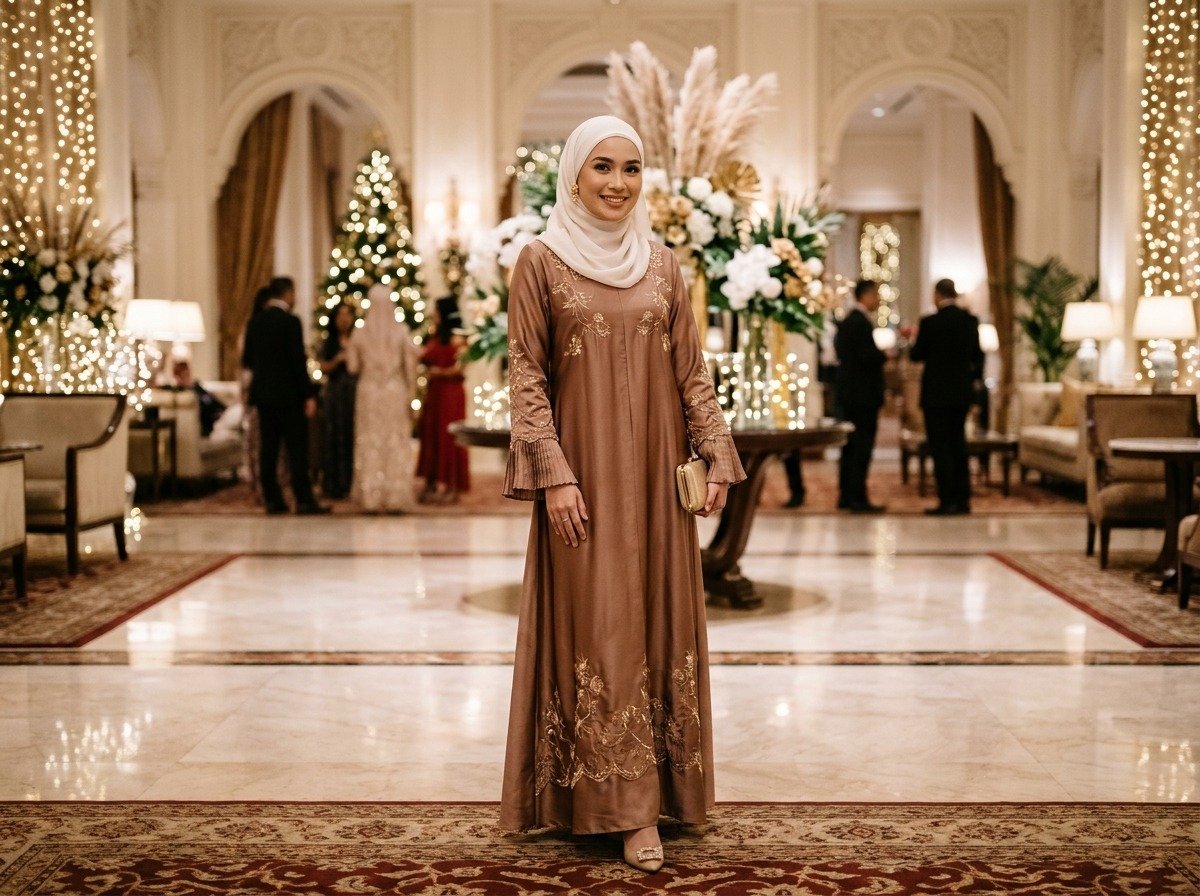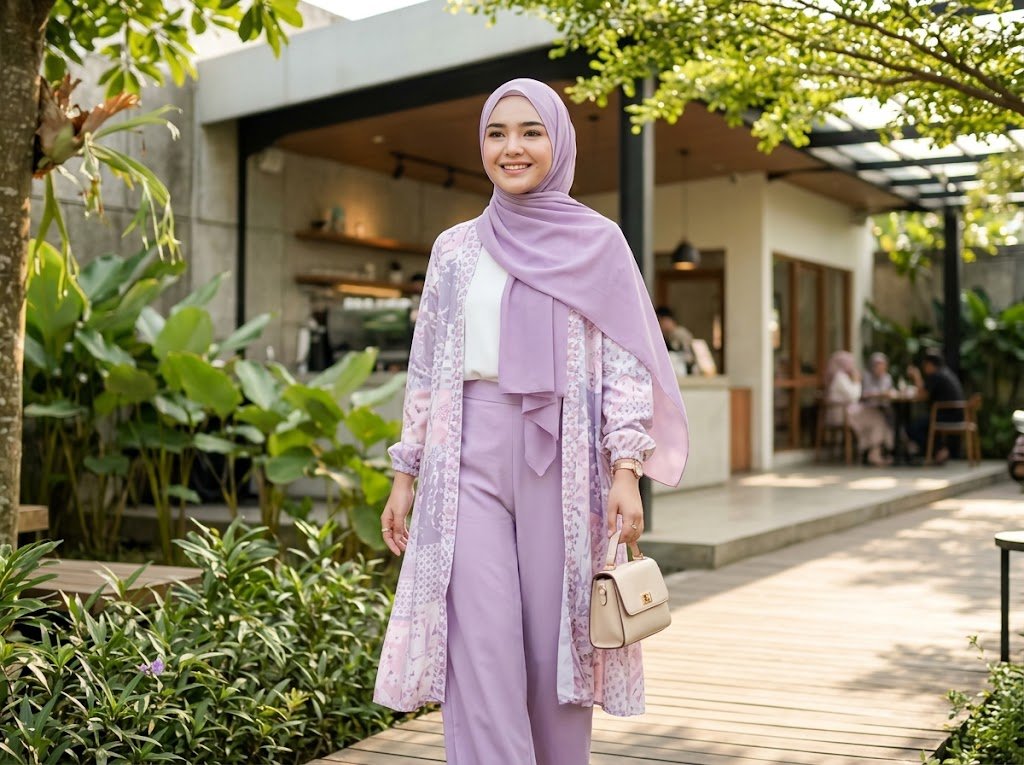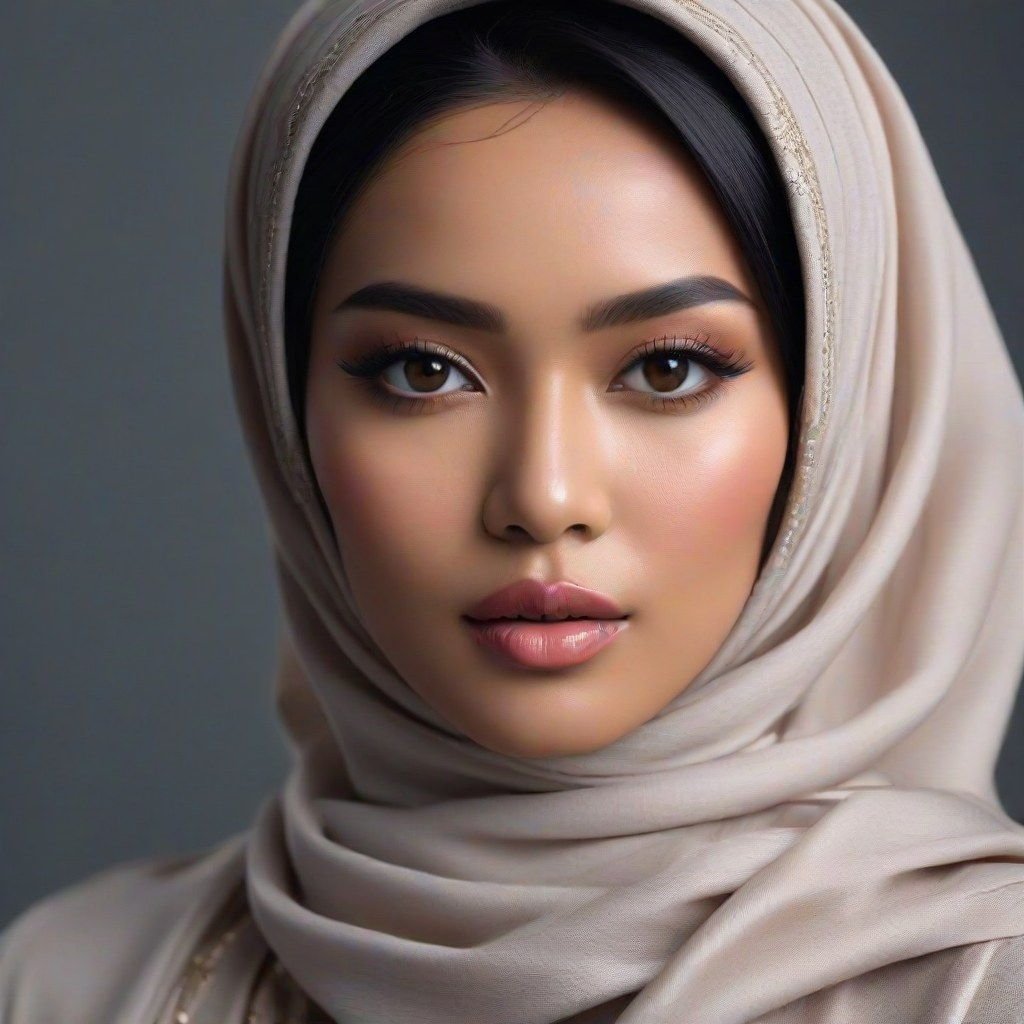
Living and engaging in activities in tropical climates like Indonesia presents unique challenges for Muslim women who wear the hijab daily. High temperatures combined with intense humidity can often lead to a feeling of heat on the scalp, sweat accumulation around the neck, and can trigger itching and unpleasant odors in the hijab fabric if the material is not chosen wisely.
The key to comfort from dawn till dusk begins with a deep understanding of textile characteristics. Selecting a comfortable hijab fabric not only ensures your appearance is elegant and neatly structured on the forehead but also maintains optimal air circulation around the head, thereby protecting your hair’s health.
Essential Criteria for Hijabs Suited to Tropical Weather
Ideal hijab fabrics for tropical climates must fulfill three fundamental physiological functions: high breathability, rapid moisture-wicking capabilities, and a lightweight feel without excessive sheerness.
Many women are tempted to purchase hijabs solely based on their attractive visual motifs displayed in stores, only to be disappointed upon wearing them due to cheap synthetic materials like thick polyester that trap body heat and cause a stuffy, pressurized sensation around the ears.
Characteristics of 4 Popular Modest Hijab Fabrics
1. Premium Voile Cotton (The Top Choice for Daily Wear)
Voile fabric is woven from pure natural cotton fibers or a blend of cotton with a semi-open weave structure. The primary advantage of cotton voile is its ability to form a perfect, structured curve on the forehead without the need for fabric stiffeners, its resistance to shifting in the wind, and its micro-pores that allow cool breezes to reach the scalp.
2. Classic Paris Cotton and Japanese Paris Cotton
Paris cotton is a timeless, legendary choice. Its exceptionally thin and lightweight fibers provide unparalleled cool comfort on scorching days. Japanese Paris cotton features a tighter weave and a smoother surface compared to standard Paris cotton, making it an ideal option for relaxed, casual styles.
3. Modal Jersey and Rayon Cotton (Cool Pashminas Without Pins)
Modal fabric, spun from beechwood fibers, offers a natural silk-like softness and a sweat absorption rate fifty percent higher than standard cotton. Pashmina hijabs made from modal or rayon are highly pliable, drape elegantly over the shoulders, and stay securely in place without requiring numerous, troublesome pins.
4. Silk Chiffon for Formal Occasions
For attending parties or formal receptions, silk chiffon provides an elegant, luxurious sheen and dramatic drape. Due to its slippery texture, always pair silk chiffon hijabs with a knitted cotton inner cap to prevent the hijab from easily slipping out of place.
The Importance of Inner Cap Quality and Regular Replacement:
Hijab comfort is not solely determined by the outer hijab fabric but also by the inner cap or hijab liner that directly contacts the scalp. Sweat and scalp oils are first absorbed by this inner fabric. Opt for inner caps made from elastic bamboo fiber or organic cotton that do not press on the ears, and replace your inner cap daily to prevent the proliferation of bacteria and fungi that cause acne along the hairline. — Salwa Salon Editorial Team
Tips for Caring for Your Hijab to Maintain Fabric Softness
Fine hijab fabrics require exceptionally gentle washing. Avoid using powdered detergents with harsh bleaches that can make voile and Paris cotton fibers stiff and brittle. Use baby shampoo or a liquid detergent specifically for delicate garments, gently hand-wash, and never wring the fabric by twisting it forcefully.
When ironing, use a low to medium heat setting. Excessive heat can scorch the fabric’s microfibers and leave permanent, shiny marks that detract from the beauty of your cherished hijab.
Frequently Asked Questions (FAQ)
What hijab fabric is least prone to wrinkling during long journeys?
Crinkle airflow and rayon-blend voile are excellent choices for extended travel due to their elastic texture and resistance to creases, eliminating the need for re-ironing.
Why do polyester hijabs often cause heat and dizziness?
Polyester is a synthetic, plastic-based fiber that lacks water-absorbing pores. Consequently, body heat and sweat become trapped, increasing the micro-temperature on the scalp and potentially leading to discomfort.
How can I prevent the edges of Paris cotton hijabs from curling unevenly?
Fold the hijab into a symmetrical triangle, press the folded edges with a medium-steam iron, and store it by hanging it on a specialized hijab hanger.
Are jersey pashminas suitable for individuals with round faces?
Yes, they are suitable, provided they are not wrapped too tightly around the jawline. Create a loose curve over the forehead to achieve a vertical illusion that elongates the facial silhouette.
A Soothing Conclusion
Wearing the hijab comfortably is a right for every Muslim woman in her daily life. By selecting the appropriate fabric and caring for it with gentleness, you can observe the practice of covering your aurah with a sense of coolness, tranquility, and understated elegance.