The home is the first academy where values of kindness, good character, and modest dressing are cultivated gradually through parental guidance. Amidst the pervasive visual exposure of the digital age, guiding children to understand the significance of self-respect and modesty is an invaluable parenting responsibility.
Instilling modest dressing habits in children will be most effective when conveyed through consistent role modeling, warm dialogue, and the selection of comfortable attire. A loving approach will foster natural self-awareness without the burden of rigid enforcement.
Authentic Role Modeling: The Most Effective Teaching Method
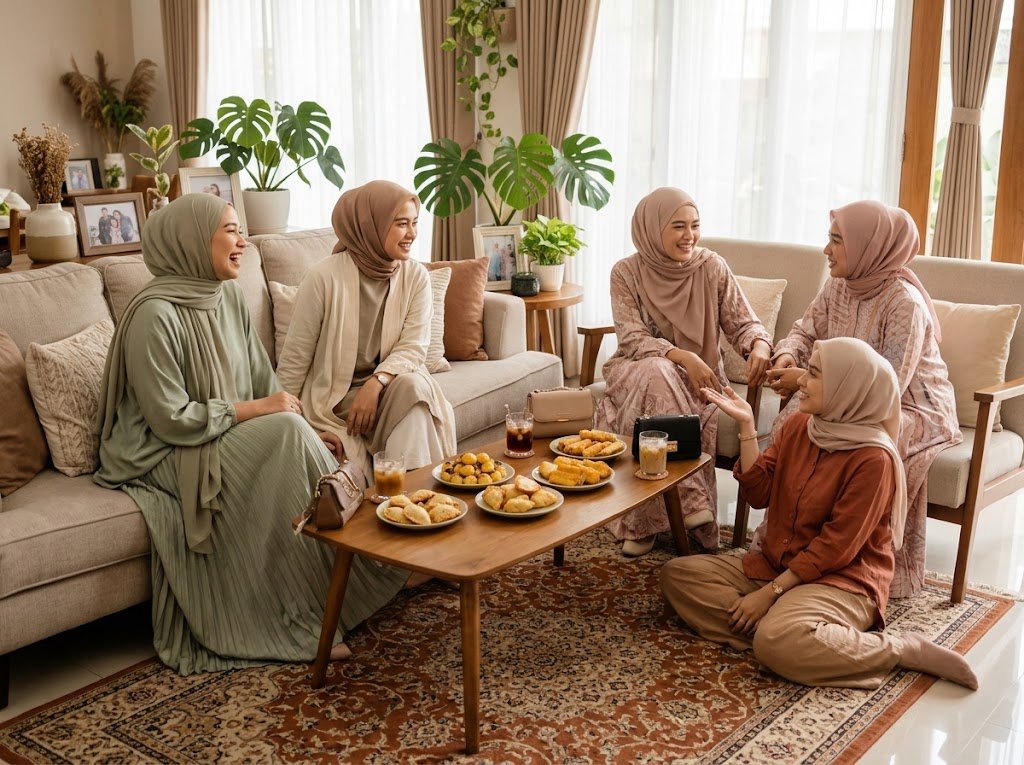
Children are exceptional imitators. They learn far more rapidly from what they observe daily within the home than from lengthy verbal advice. When parents consistently dress modestly, cover appropriately, and maintain respectful boundaries both at home and in public, children will absorb these habits as natural life norms.
This role modeling also extends to how we respect a child’s bodily privacy. Establishing the practice of knocking before entering a child’s room, teaching them to dress in private spaces, and refraining from undressing casually in front of others are foundational elements for developing healthy modesty and self-protection.
Respecting Developmental Stages and Children’s Comfort of Movement
A child’s world is one of active play and exploration. When introducing modest attire or hijabs to young girls, physical comfort must be the absolute priority above all else. Forcing garments that are hot, restrictive, or excessively long, causing them to trip, can lead to trauma and future reluctance towards modest dressing.
Opt for comfortable, loose-fitting jumpsuits or pant sets made from soft, breathable cotton that effectively wicks away perspiration. For children’s hijabs, choose easy-to-wear instant hijabs made from flexible jersey fabric, requiring no pins, which children can easily put on and take off themselves. Allow them the freedom to run, jump, and engage in joyful activities without feeling constrained by their clothing.
Building Spiritual Understanding Through Engaging Dialogue
Instead of employing narratives of fear or the threat of sin when encouraging modest dress, adopt a dialogical approach that cultivates gratitude. Explain in simple terms that the human body is a beautiful gift from God that deserves to be cared for, protected, and honored with modest attire.
Storytelling through children’s fables, inspiring picture books, or tales of virtuous role models can serve as highly effective bridges to understanding. When children grasp that dressing modestly is an expression of love for God and a form of self-protection, they will wear it with pride and joy.
Providing Choices and Valuing Children’s Initiative
Teaching modesty does not mean eliminating a child’s right to express their personal preferences. Involve children in selecting their favorite clothing colors or hijab patterns when shopping. Children typically gravitate towards vibrant colors like cheerful pastels, soft yellows, or sweet floral motifs.
When a child takes the initiative to wear modest clothing or try on a hijab independently, offer sincere and warm appreciation. Praise their effort, their comfort, and their good intentions, rather than solely focusing on physical appearance. This positive reinforcement will build robust self-confidence within the child as they mature.
Questions Regarding Modest Dress Education for Children
At what age should modest clothing and hijabs be introduced to young girls?
Introduction can begin gradually from the toddler years (ages 3–5) through the habit of dressing modestly for outings. By elementary school age (7 years and above), the concept of the obligation to cover can be taught more structurally and consistently.
What if a child suddenly refuses to wear a hijab because they feel too hot while playing?
Acknowledge their feelings and avoid immediate reprimands. Inquire about what makes them uncomfortable, examine the fabric of their clothing, and allow them to remove it temporarily if they are fatigued. Gradually re-engage their willingness without coercion.
Do boys also need to be taught about modest dress boundaries?
Absolutely. Boys should be accustomed to wearing trousers that neatly cover their knees in public and taught to respect their own bodily privacy and that of others.
How can one address the influence of social media or peers who dress immodestly?
Foster an open and warm discussion environment. Engage children in conversations about family values, teach them critical thinking skills, and instill confidence that modest presentation is a dignified and character-driven life choice.
Editor’s Note from Salwa Salon: Educating children is a process of planting seeds that requires patience, gentleness, and unceasing prayer. Modesty taught with love will take deep root in a child’s heart, whereas values imposed through force will easily crumble when they are outside our supervision. Be a warm role model, listen to your child’s inner voice, and guide them towards mature character with abundant affection.
Introducing modesty from an early age is the most valuable legacy parents can bestow upon future generations. With consistent role modeling, understanding dialogue, and child-friendly attire, modest dressing habits will blossom into an integral part of a child’s noble character throughout their lives.