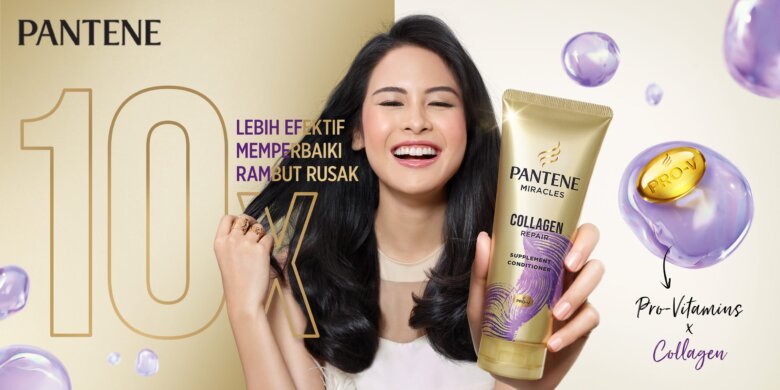
In our daily lives, our hair strands are constantly subjected to harsh thermal and environmental stressors. From the dust-laden gusts of city winds and exposure to the sun’s ultraviolet radiation, to styling routines involving high-heat tools like blow dryers and flat irons, the accumulation of these exposures leads to a condition known as ‘hair fatigue’.
Symptoms of fatigued and damaged hair include a loss of natural shine, a rough, straw-like texture when touched, brittle split ends, and breakage during combing. To restore the vitality of this crown of hair, ordinary cleansing shampoos are insufficient without the accompaniment of a high-quality intensive conditioner.
Understanding the Fundamental Function of Intensive Conditioners
When hair is washed with shampoo, surfactant agents work to dissolve oils and impurities. However, this process also strips away the natural protective lipid layer (f-layer) and causes the cuticle scales to slightly lift. If left without conditioner, moisture within the hair’s inner cortex will rapidly evaporate, and the hair strands will develop a negative electrostatic charge, leading to tangles.
Intensive conditioners are formulated with cationic (positively charged) agents that adhere effectively to damaged hair areas, smoothing the cuticle scales back down, and lubricating the hair shaft with a fine emollient layer, restoring suppleness and light-reflecting shine to the strands.
Key Ingredients to Look for in Conditioners for Damaged Hair
1. Provitamin B5 (Panthenol)
Panthenol is one of the most effective nutritional molecules in hair strand care. Unlike typical surface oils, panthenol has small molecules capable of penetrating the cuticle layers deep into the hair cortex, binding moisture within the fiber’s core, and enhancing hair flexibility to prevent breakage during tension.
2. Hydrolyzed Proteins (Keratin and Wheat Protein)
Hair damaged by chemical processes like coloring or straightening experiences a loss of internal protein mass. Hydrolyzed proteins (hydrolyzed keratin or wheat protein) act as microscopic patches, filling the cracks and gaps in compromised cuticles and restoring structural integrity to the hair strands from within.
3. Emollient-Rich Botanical Oils
Pure botanical oils such as argan oil, jojoba oil, and avocado oil act as protective lubricating agents. These oils are rich in Vitamin E and antioxidants, coating the hair strands with a thin protective film against dry, air-conditioned environments and the heat from comb friction.
4. Nourishing Amino Acids and Fatty Alcohols
Beneficial fatty alcohols like cetearyl alcohol and stearyl alcohol are not drying alcohols like those used for wound cleansing. Instead, fatty alcohols are naturally thick emollient compounds that impart a silky softness to the conditioner’s texture and help hair strands detangle effortlessly.
Reverse Washing Technique for Fine Hair:
For those with very fine hair strands or a scalp prone to oiliness, the use of rich conditioners can sometimes be a concern, potentially weighing hair down and making it appear flat. Try adopting the reverse washing method: apply intensive conditioner to the mid-lengths and ends of your hair first when it’s damp (not dripping wet) before shampooing. Leave it on for 3 minutes, then rinse and proceed to cleanse your scalp with a gentle shampoo. This clever technique provides nutritional protection without leaving a heavy residue that can flatten hair volume. — Salwa Salon Editorial Team
How to Use Conditioner for Maximum Results
The correct steps for applying daily conditioner at home:
- Squeeze Out Excess Water: Do not apply conditioner to hair that is still dripping wet, as the dense water molecules will impede the absorption of the conditioner’s nutrients. Gently press your hair with your palms before application.
- Focus on Mid-Lengths and Ends: Apply conditioner starting from the mid-third of your hair down to the ends of the strands. Avoid applying it directly to the scalp to prevent pore congestion.
- Allow for Soaking Time: Leave the conditioner on for a minimum of 2 to 3 minutes to allow the active ingredients to fully penetrate before rinsing thoroughly with cool, running water.
Frequently Asked Questions (FAQ)
Can I use conditioner every day when I shampoo?
Yes, conditioner is highly recommended for use every time you shampoo your hair to replenish lost moisture.
What is the difference between a daily conditioner and a hair mask?
Daily conditioners work to quickly lubricate and seal the outer cuticle (2-minute duration), whereas hair masks have a much more concentrated nutrient profile for deep cortical repair (15-20 minute duration) and are used 1-2 times per week.
Is it okay to rinse conditioner out only partially to keep hair smooth?
No; residual conditioner that is not thoroughly rinsed will accumulate as dulling residue, attracting dirt and debris, and making hair feel sticky and limp.
Can conditioner heal severe split ends?
Conditioner helps to temporarily seal split ends, preventing them from worsening. However, the most definitive solution for hair that has already split is to periodically trim the ends.
Conclusion
Choosing an intensive conditioner with a rich, nourishing formula is a fundamental step that should not be overlooked when caring for dry and damaged hair strands. With regular use, proper application techniques, and full attention to the health of your hair crown, you can enjoy soft, strong, and naturally radiant hair at all times.




