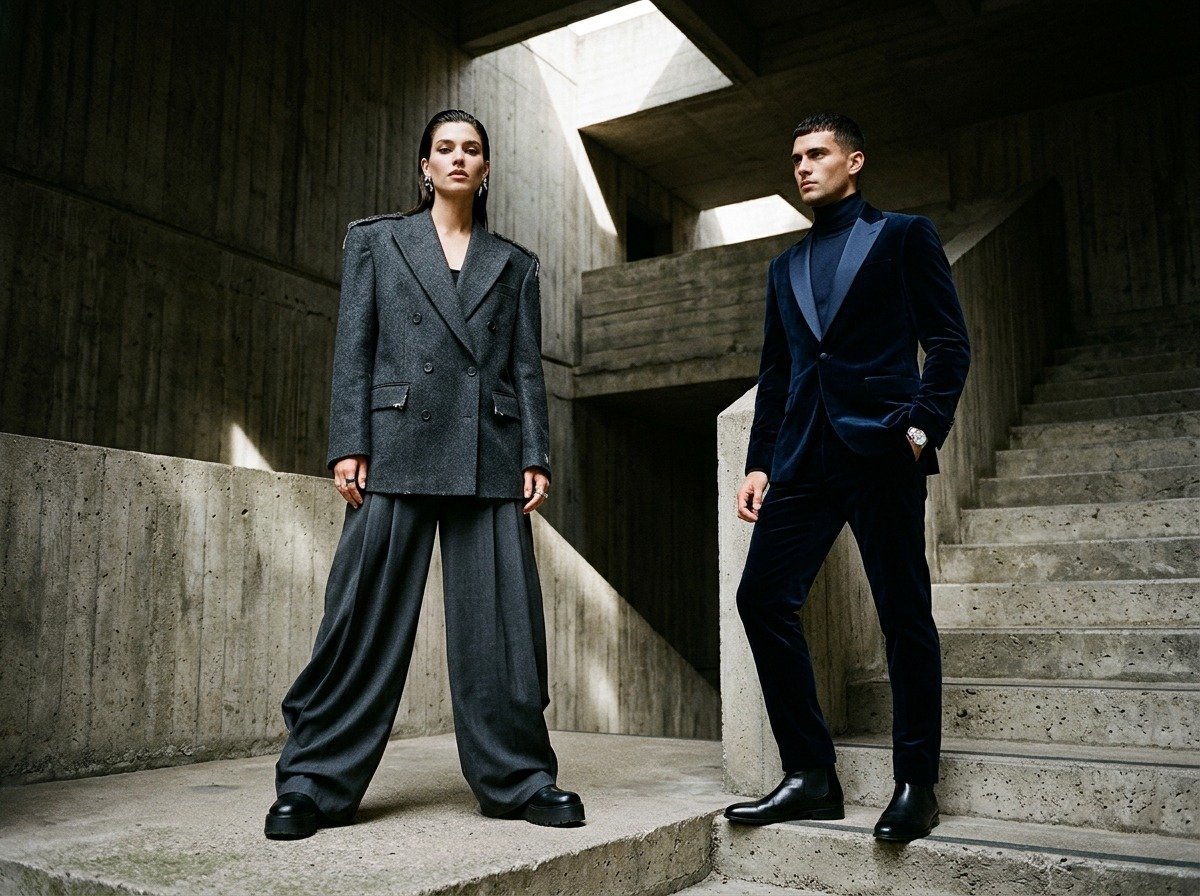
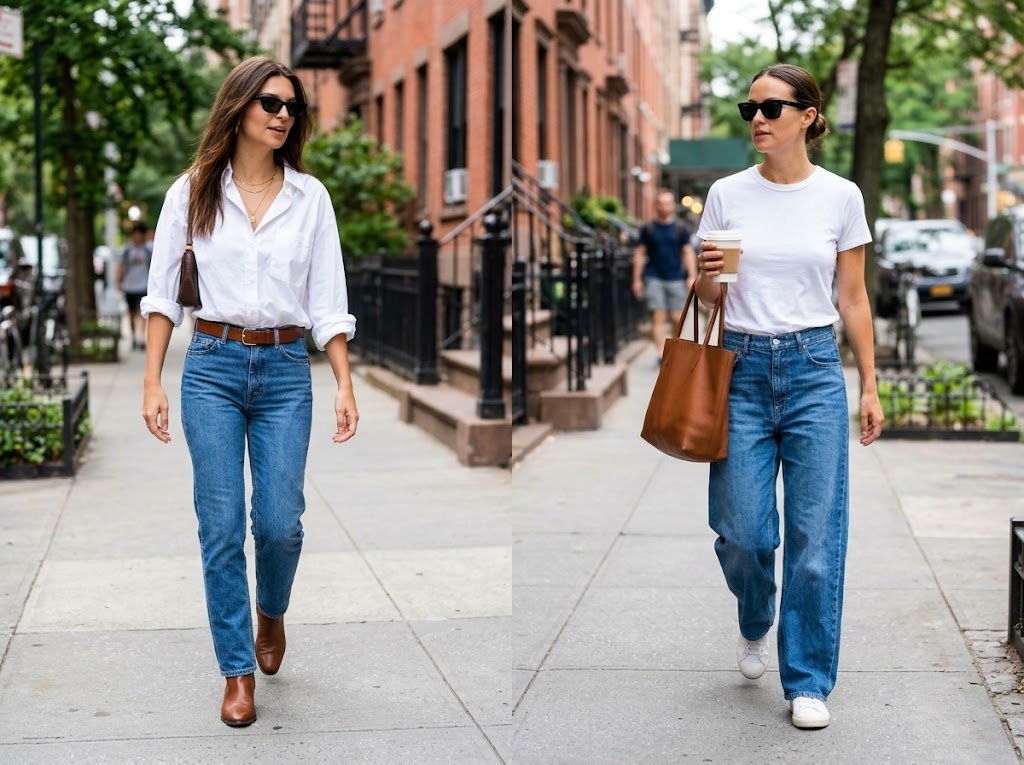
Clothing is often perceived merely as a textile commodity to shield the body from the elements or as an aesthetic instrument to enhance visual appeal. However, a deeper examination of civilization’s history and cultural sociology reveals that an individual’s sartorial choices are, in fact, one of the most potent forms of non-verbal communication, reflecting their worldview, moral values, and inner integrity.
Every garment we wear transmits an unspoken message into the public sphere: about how we value our own bodies, how we respect the customs of our environment, and how we position ourselves within society. Dressing with mindfulness is the initial step in weaving harmony between our inner convictions and outward behavior in daily life.
Attire: More Than Body Coverage, It’s a Language of Values
Within symbolic interaction theory, attire functions as a visual language interpreted by our surroundings even before our first words are spoken. Choosing modest, clean, and neat attire is not an act of suppressing self-expression, but rather a manifestation of self-discipline and profound respect for the collective space.
When an individual consciously opts for understated clothing—rejecting trends that excessively expose the body or eschewing environmentally damaging fast fashion consumerism—they are, in essence, taking a stand. This stance asserts that a person’s self-worth is not determined by the amount of skin revealed or the prominence of brand logos, but by nobility of character and steadfast principles.
The Ethics of Modesty: Respecting Shared Spaces
Freedom of dress is always accompanied by the ethics of social appropriateness. Attending formal gatherings, places of worship, educational institutions, or family reunions demands sensitivity in sartorial selection:
1. Harmony Between Context and Atmosphere?
Dressing appropriately is a sign of empathy. Wearing overly casual attire to a formal event can be perceived as disrespecting the host, while dressing too ostentatiously in a modest setting can create awkward social distance. Selecting proportionate attire demonstrates mature social awareness.
2. Neatness Born from Diligent Self-Care?
Simple garments that are freshly laundered, impeccably ironed, and free from stains or unpleasant odors exude more gravitas than expensive, wrinkled, and soiled clothing. Physical neatness reflects an ordered mindset and disciplined lifestyle habits.
3. Choosing Comfortable and Considerate Fabrics?
Bodily comfort while dressed has a direct correlation with inner peace. Opt for natural fibers such as pure cotton, cool linen, or locally sourced woven materials that are breathable in tropical climates, ensuring you feel at ease and composed throughout your interactions.
Maintaining Authenticity Amidst Homogenizing Trends
Social media often imposes uniform appearance standards through viral algorithms: specific clothing cuts that suddenly become must-haves for everyone, particular colors deemed most fashionable, and even hedonistic lifestyles that strain finances.
Having sartorial integrity means possessing the courage to say no to trends that conflict with your ethical principles or personal comfort. Curate your wardrobe to house meaningful, durable, and high-quality pieces that genuinely represent who you are, without any sense of inadequacy.
When you wear clothing that aligns with your inner values, the confidence you project no longer depends on external validation. You will feel at peace because the attire adorning your body is an honest reflection of the principles you steadfastly uphold daily.
Salwa Salon Editorial Note: Elegance in dress is not about the number of eyes captivated by your appearance, but about the imprint of honor and tranquility you bring to every encounter. When your attire harmonizes with the purity of your heart, true dignity will radiate without the need for worldly recognition.
Questions About the Meaning of Modest Dress
How can one balance modern style with the principles of modest dressing?
Opt for modern, relaxed silhouettes (oversized chic) or refined layering techniques, combine elegant neutral color palettes, and ensure the body’s lines are gracefully concealed.
Does dressing simply make someone appear less professional in the workplace?
Absolutely not. Simplicity, when paired with well-fitting garments, quality fabrics, and impeccable neatness, actually sets the highest standard of professionalism in many esteemed global institutions.
How should one respond to comments from others who deem our style too outdated?
Respond with a calm smile and unshakeable inner conviction. Sartorial choices rooted in moral principles and personal comfort do not require fleeting approval from rapidly changing trends.
Does clothing color also reflect a person’s emotional stability?
Choosing color palettes such as earthy tones, soft monochromatic shades, or tranquil pastels can often help foster a peaceful mood while also projecting an aura of warmth to your surroundings.
Wear your clothing with gratitude and full awareness. Behind every modest and neatly arranged thread, allow your self-integrity and kindness of heart to be the most beautiful attire that brings serenity to the world.