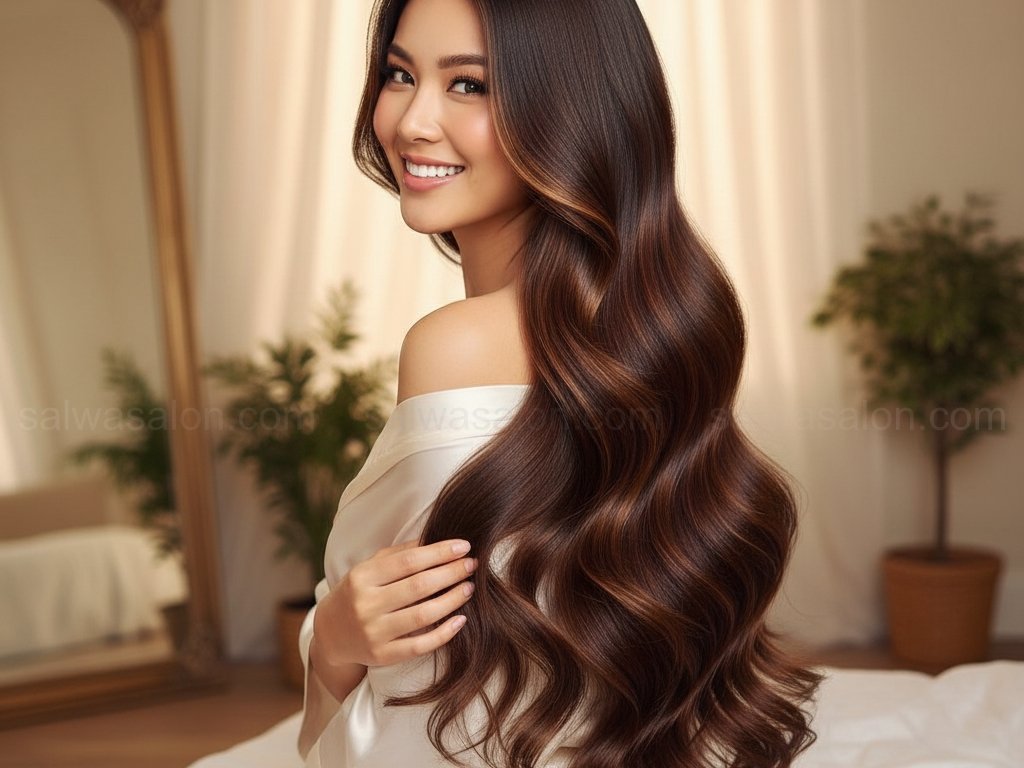
For individuals navigating daily routines in metropolitan urban areas, exposure to air pollution is an unavoidable environmental reality. Each day, we endure traffic congestion, inhaling vehicle exhaust fumes, industrial soot, and microscopic particulate matter (PM 2.5) that freely circulates in the atmosphere. While we may be accustomed to wearing protective face masks, we often leave our hair exposed without any defensive shield.
Micron-sized chemical pollutant particles are, in fact, a silent threat to the health of our crowning glory. Hydrocarbon toxins and heavy metals in the air can adhere tenaciously to the lipid layer of the cuticle, stripping away natural moisture and inducing oxidative stress. This leaves hair strands feeling coarse and wiry, emitting an unpleasant stale odor, appearing dull and lusterless, and becoming brittle and prone to breakage at the ends.
How Pollution Damages Hair Fiber Structure
Scientifically speaking, how do dirty air particles wreak havoc on human hair strands?
1. Microscopic Particle Penetration into Cuticle Gaps?
Pollutant soot particles are significantly smaller than the diameter of a hair strand. These toxic particles can infiltrate the spaces between the hair cuticle scales, stripping away the natural protective 18-MEA fatty acid layer. This process renders the hair shaft surface highly porous and gritty to the touch.
2. Degradation of Keratin Protein Bonds by Free Radicals?
Chemical pollutant compounds react with solar radiation to generate reactive free radicals. These free radicals break down the keratin polypeptide chains within the hair cortex, leading to a reduction in hair strand elasticity by over 30 percent and visibly accelerating hair shaft thinning.
3. Micro-Irritation and Inflammation of Scalp Pores?
A mixture of fine dust particles and sebum oil creates a dense layer of grime at the follicular openings. This triggers itching, inflammatory dandruff, and weakens the grip of the hair roots, making strands more susceptible to shedding during brushing.
Practical Hair Protection Protocols for Urban Dwellers
To maintain hair’s luster and softness amidst a dusty urban environment, implement the following comprehensive defense strategies:
1. Provide a Physical Protective Barrier Outdoors
The simplest yet most effective measure is physical protection. Make it a habit to wear a breathable fiber hijab, a protective hat, or tuck your hair into your jacket when riding a motorcycle. Blocking direct contact between hair strands and exhaust fumes minimizes pollutant particle adhesion by up to 80 percent.
2. Apply Antioxidant-Rich Hair Serum or Hair Mist
Before stepping outdoors, apply a hair serum enriched with Vitamin E, argan oil, or green tea extract. These antioxidants act as microscopic shields, neutralizing free radicals and coating the cuticle with a slick, hydrophobic layer that repels dust adhesion.
3. Thorough Cleansing with a Gentle Formula Shampoo
After a day of city street activities, promptly wash your hair during your evening shower. Use a gentle, lathering shampoo formulated to bind pollutant particles without stripping the scalp’s natural moisture. Perform a gentle fingertip massage to ensure complete removal of all dust residue.
Weekly Restoration Rituals to Revitalize Hair
Complement your daily care with a weekend restoration ritual:
- Use an Intensive Hydrating Hair Mask: Indulge your hair once a week with a hair mask containing shea butter or natural keratin to replenish the cortex layer fatigued by pollution exposure.
- Rinse with Cold Water at the End of Shampooing: Cold water helps to reseal the cuticle scales, resulting in a smooth, sleek hair surface that optimally reflects light and shine.
Salwa Salon Editorial Note: Healthy, well-maintained hair is a reflection of self-respect and bodily hygiene amidst the bustling external world. Do not let street dust dim your elegance; nurture every strand of your crown with diligence, so that natural freshness and fragrance accompany your every endeavor.
Questions About Protecting Hair from Pollution
Is it safe to spray regular perfume on hair to eliminate street smoke odor?
It is strongly discouraged. Body perfumes contain high levels of alcohol that can lead to dry, brittle hair strands. Opt for a specialized hair mist or hair fragrance formulated without drying alcohol and enriched with moisturizing vitamins.
How often should we use a clarifying shampoo to remove pollution buildup?
Use a clarifying shampoo once every two weeks to detoxify pollutant buildup and styling product residue without causing scalp dryness.
Is oily hair more susceptible to damage from air pollution?
Yes, excess oil on the scalp acts like glue, making it easier for exhaust dust particles to adhere firmly to the hair surface and scalp pores.
Preserve your hair’s beauty against the challenges of the urban environment. With the right protective shield and diligent daily cleansing, your hair will remain soft, fragrantly fresh, and brilliantly lustrous, radiating prime vitality every day.