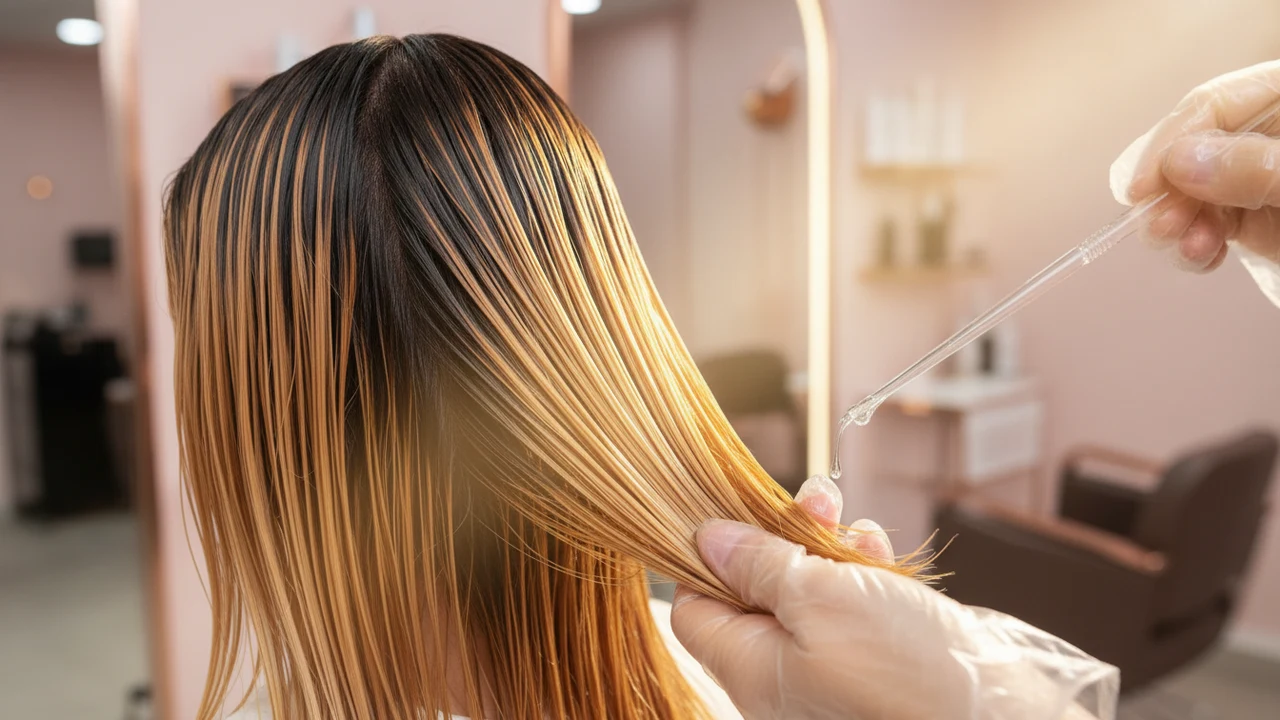
Exploring hairstyles through chemical straightening (smoothing) and artistic coloring (bleaching) initially offers visual satisfaction and a captivating transformation. Hair appears sleek and luminous, or boasts dream-like hues that boost confidence. However, when these chemical processes are repeated without adequate recovery periods, the hair shaft can drastically change, becoming severely dry, stiff like straw, and prone to breakage when brushed.
Restoring severely compromised hair shafts damaged by chemical processes requires a respite from heat exposure, rebuilding hair’s disulfide bonds with protein therapy, and intensive lipid hydration. This restoration process indeed demands time and high discipline, but with the right approach, your strands can regain their suppleness, softness, and healthy radiance.
What Happens to Hair Fibers During Chemical Processes?
To understand how to restore damaged hair, we must first grasp the structural damage occurring at a molecular level. Chemical straightening works by breaking the hair’s natural disulfide bonds using potent reducing agents, then reforming them into a straight structure with extremely high heat from flat irons.
Meanwhile, bleaching utilizes hydrogen peroxide and ammonia to forcibly open the hair’s outermost cuticle layer to oxidize and dissolve natural melanin pigment. As a result of these processes, the protective layer of natural fatty acids (18-MEA) that coats the cuticle surface is eroded, leaving the hair shaft highly porous, fragile, and incapable of retaining its natural moisture.
First Aid: Resting Hair from Heat Exposure
The most fundamental and mandatory step immediately after realizing severe hair damage is to temporarily cease all further heat and chemical exposure. Put away your flat irons and curling wands, and avoid re-coloring for at least the next 3 to 6 months.
When drying your hair post-shampoo, refrain from vigorously rubbing your scalp with a towel. Use a soft, old cotton t-shirt or a microfiber towel to absorb excess water by gently pressing, then allow your hair to air dry under the cool breeze of a fan. Any additional mechanical friction and heat on fragile hair will only accelerate keratin fiber breakage.
Balancing Protein Therapy and Lipid-Rich Hydration Masks
Hair damaged by bleaching experiences significant loss of keratin protein mass. Therefore, hair requires bond-building treatments or hair masks containing hydrolyzed amino acids (hydrolyzed keratin or hydrolyzed wheat protein) to fill the empty spaces within the hair cortex.
However, protein treatments should not be overused without balancing hydration, as hair with excess protein can become stiff and prone to breakage, like dry twigs. The optimal pattern is to apply a protein mask once a week, alternating with a deep moisturizing mask rich in plant-derived fatty acids such as shea butter, argan oil, and ceramides to restore the hair’s natural suppleness.
Protecting Hair Ends and Regular Trims
The ends of the hair are the oldest part of the hair fiber and experience the most severe damage. Applying a few drops of pure hair oil, such as argan or jojoba oil, to the ends daily when hair is semi-damp will help seal the cuticle and reduce friction as hair moves.
In addition to topical treatments, don’t hesitate to trim off split and damaged ends by 1 to 2 centimeters every 6 to 8 weeks. Trimming off dead ends is the only sure way to prevent split ends from traveling up into healthier hair shafts.
Questions About Restoring Hair Damaged by Chemical Processes
How long does it take to restore hair damaged by bleaching?
The process of restoring hair texture and suppleness typically begins to be noticeable after 4 to 8 weeks of consistent intensive care. However, to completely replace all damaged hair shafts with entirely new hair, it will take the duration of natural hair growth (approximately 1–1.5 years).
Can severely broken hair be reattached with salon treatments?
Biologically, broken hair strands cannot be permanently reattached. Modern salon treatments only serve to temporarily mend the chemical bonds within the hair to prevent further fragility.
Is it okay to shampoo every day when hair is extremely dry and brittle?
It is advisable to limit shampooing to 2 to 3 times a week using a sulfate-free shampoo to prevent stripping the scalp’s natural sebum layer.
Is combing wet hair dangerous for damaged hair?
It is extremely dangerous. Fragile hair is at its weakest elasticity when wet. Always wait until hair is at least 80 percent dry, then gently comb using a wide-tooth comb, starting from the bottom ends first.
Salwa Salon Editorial Note: Hair is a precious living crown and has limits to its resilience against chemical exposure. When your hair signals fatigue through a rough and brittle texture, it’s time to stop chasing instant visual perfection and start treating it with utmost gentleness. Be patient in this restoration process, as a healthy and strong hair crown is always born from diligent care of its roots and shafts.
Restoring fragile hair post-chemical processing is a commitment to bringing back your crown’s natural vitality. By ceasing extreme heat, providing balanced protein nutrition and moisture, and regularly trimming ends, you will witness your hair’s softness bloom again with captivating allure.