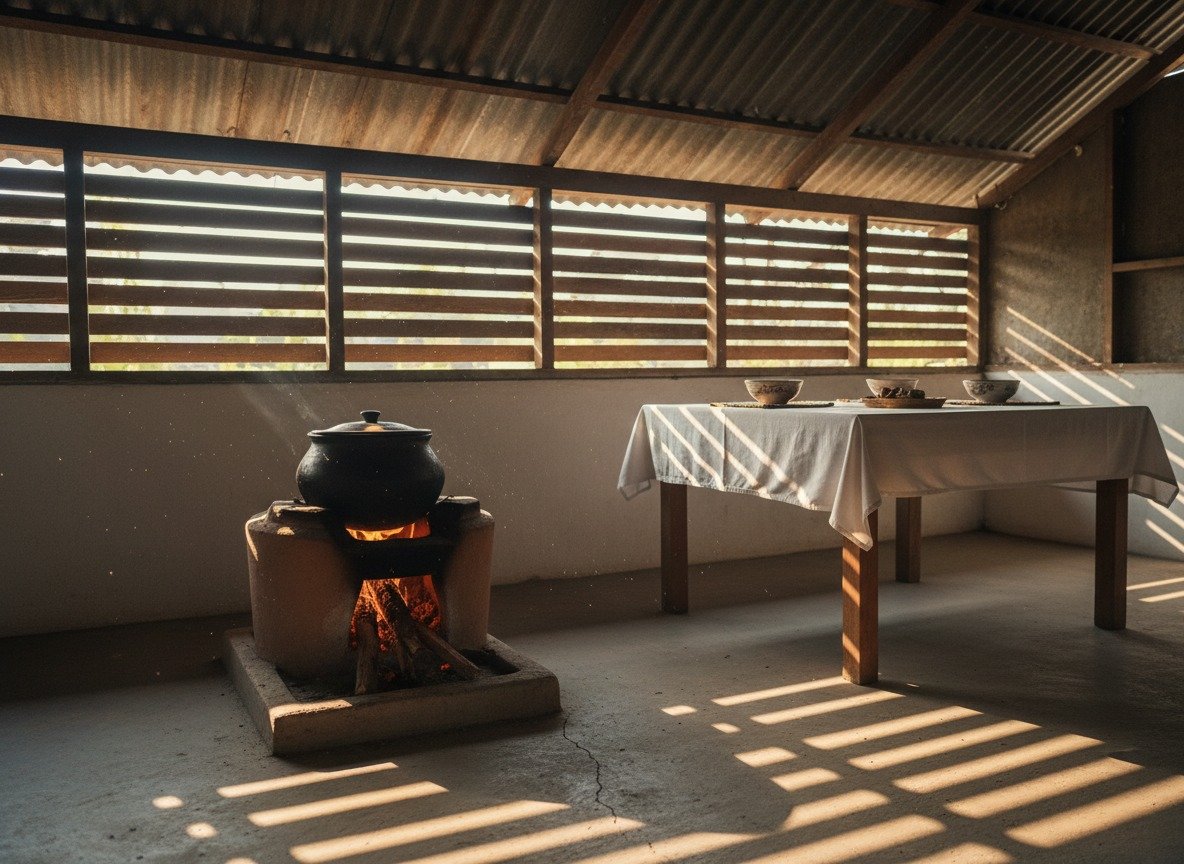
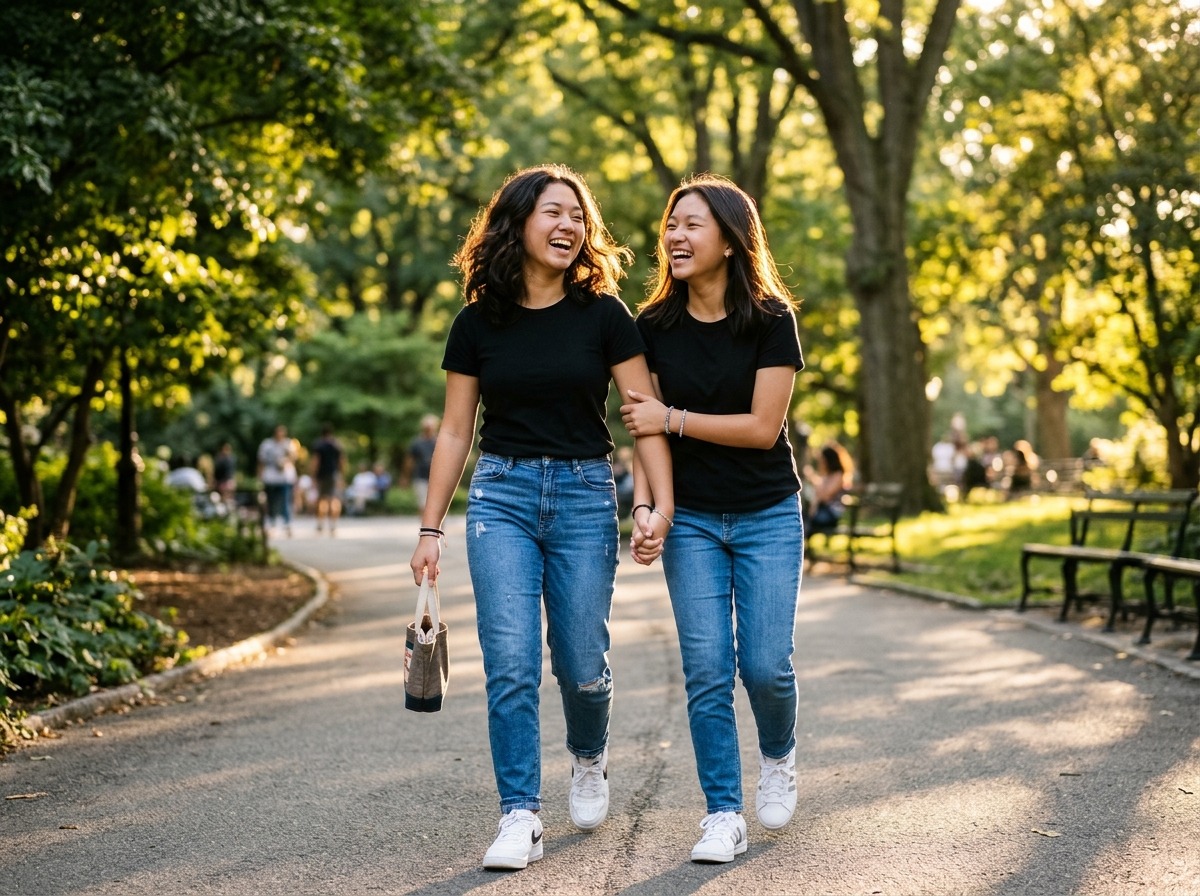
Behind the dazzling advancements of the modest fashion industry in major cities, which unveil thousands of new apparel collections each season, lies a reality of profound simplicity in the remote corners of our nation. In inland areas, mountain slopes, and the outermost islands of the archipelago, many of our Muslim sisters face economic and logistical limitations in accessing suitable modest attire. For some of them, possessing a clean, unpatched prayer garment (mukena) or a non-faded headscarf is a special aspiration that is not easily realized.
Witnessing this disparity has sparked various social volunteer initiatives spearheaded by humanitarian organizations and urban Muslim communities to distribute modest apparel to remote regions. Through campaigns collecting new hijabs, clean prayer garments, and wearable abayas, volunteers undertake winding land journeys, crossing lakes and seas, to deliver the trust and love from benefactors. This movement is not merely an act of distributing free clothing but an endeavor to weave threads of national brotherhood and honor the dignity of fellow women.
Noble Dimensions Behind the Act of Sharing Modest Apparel
Several virtues shine brightly from this social movement:
1. Strengthening the Spirit of Worship for Muslim Women in Minority and Remote Areas?
For Muslim women residing in isolated areas or regions with a minority Muslim population, receiving shipments of new hijabs and prayer garments provides an extraordinary boost to their morale and spirituality. They feel noticed, embraced, and cherished by their co-religionists far across the islands, reinforcing their steadfastness in worship.
2. Channeling Blessings from Clothes Accumulating in Closets
Many urban women possess dozens of hijabs or modest Muslim attire that remain neatly stored in their closets, never to be worn again. Distributing them through a trusted donation program transforms passive fabric piles into ongoing charity (amal jariyah) that continuously bestows rewards of goodness each time the apparel is worn for prayer or Quranic studies.
3. Educating the Etiquette of Donating in a Way That Honors the Recipient?
Modern volunteer movements teach high-ethical donation etiquette: donated clothing must be clean, fragrant, neatly ironed, and in excellent condition without any tears. Honoring recipients of charity by providing the best items is a fundamental teaching of noble character.
Stories Behind the Journey of Distributing Trust
The steps of volunteers in the field of service are replete with exemplary conduct:
- Overcoming Geographical Obstacles with Sincerity: Volunteers often have to trek through muddy footpaths or ride simple wooden motorboats while carrying sacks filled with modest apparel to reach remote hamlets.
- Warm Greetings and Sincere Embraces of Brotherhood: The arrival of volunteer groups is met with warm smiles from the mothers and daughters of the village who gather at a simple stilted prayer hall, creating a heartwarming atmosphere of kinship.
- Supplementing with Education and Skills Training: In addition to distributing clothing, volunteers frequently conduct workshops on sewing and garment care, enabling local communities to repair and produce clothing independently in the future.
The measure of a person’s wealth is not seen in how much fortune they accumulate for themselves, but in how much benefit and happiness they manage to channel to those in need.
How Can We Participate in This Movement of Goodness?
Everyone has the opportunity to contribute according to their abilities:
Conduct Regular Wardrobe Decluttering
Every six months, re-examine the contents of your closet. Set aside modest apparel that is still in excellent condition but rarely worn, wash it thoroughly, iron it neatly, and pack it in a clean container before donating it to a trusted donation post.
Support Operational Costs and Volunteer Shipping Expeditions
Sometimes, the biggest challenge in distributing donations to remote areas is the high cost of shipping cargo. Setting aside a portion of your blessings to help with logistics significantly eases the efforts of volunteers in the field.
Frequently Asked Questions About Modest Apparel Donations
What criteria for clothing are most needed in remote areas?
Comfortable cotton prayer garments (mukena), practical instant bergo hijabs for daily activities, and standard-sized loose abayas that are comfortable for farming or teaching the Quran.
Is it permissible to donate used clothing with minor stains?
It is best to provide clothing that is free from conspicuous stains. Clean the stains first with a stain remover soap, as the principle of the best charity is to give something that we ourselves would still be happy to wear.
How can we ensure the donation institution we choose is trustworthy?
Choose official philanthropic institutions with clear legal standing, that regularly publish transparent documentation of their distributions on social media, and have a verified track record of programs.
Do children also need donations of modest clothing?
They are greatly in need. Children’s hijabs, koko shirts, and small prayer garments are eagerly awaited by young students in village madrasahs and Quranic education centers.
The goodness we sow with a sincere heart will never be in vain before the Almighty. Be a part of the chain of care that warms the universe, and let the smiles of your brothers and sisters in remote areas be the best prayer for your life’s blessings.