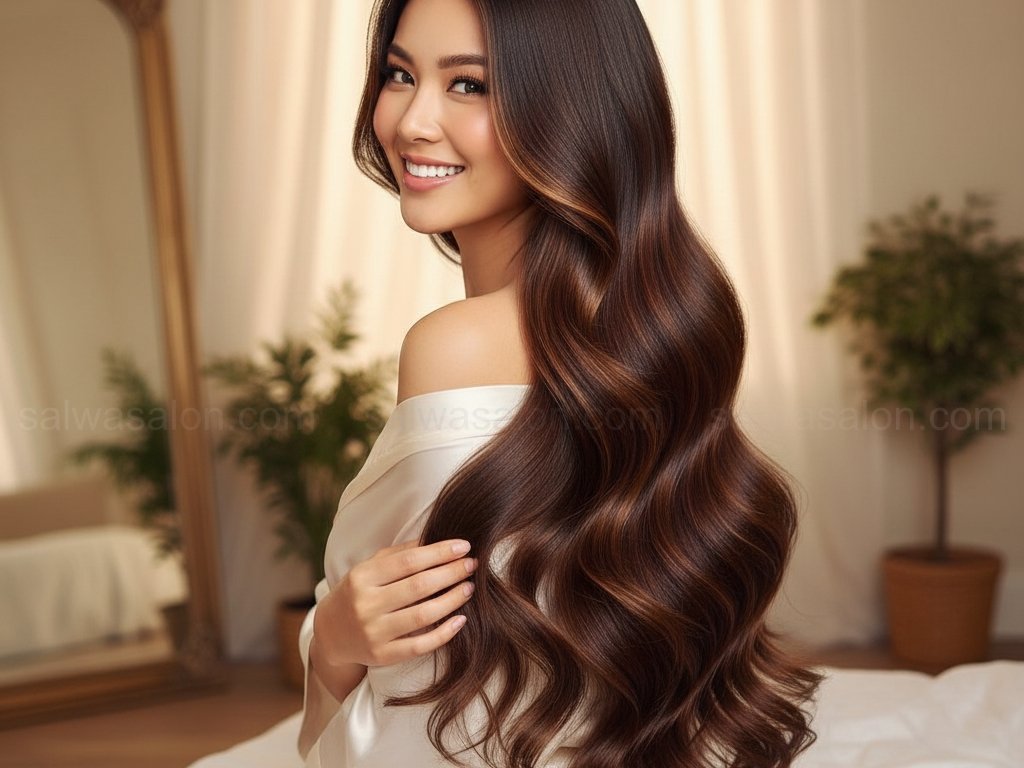
Have you ever experienced a throbbing sensation at your temples or an ache at the crown of your head after a day of wearing a high ponytail or a tight bun under your hijab? This discomfort is often mistaken for a sudden migraine or general fatigue, when in fact, the trigger stems from how we style our hair.
In neurology, the phenomenon of hairstyling causing headaches is known as external traction headache or scalp allodynia. Constant mechanical tension on hair follicles stretches the trigeminal sensory nerve endings embedded in the galea aponeurotica of the scalp, sending intense pain signals to the brain’s pain centers.
The Neurological Mechanism Behind Traction Headaches
While the hair shafts we cut have no nerve endings, the hair follicles beneath the scalp’s surface are surrounded by a dense network of highly sensitive sensory nerves and microvasculature. When hundreds of hair strands are pulled taut in one direction for extended periods, the follicles are forced into unnatural positions.
This condition triggers localized neurogenic inflammation within the aponeurosis cranialis. If the tension persists without relief, the aching sensation can radiate to the muscles of the neck, shoulders, and temples, precipitating a debilitating tension headache.
3 Hairstyling Habits to Be Wary Of
1. Tying Ponytails Too Tightly and High
High ponytails can create an uplifted and polished facial appearance, but this style places the heaviest traction stress at the crown of the head. The gravitational pull of swaying hair adds repetitive strain to the nerve roots.
2. Using Stiff Rubber Bands and Heavy Hair Clips
Using rubber bands without fabric covering causes rough friction that grips hair follicles too tightly. Plastic claw clips that dig into the scalp with their sharp teeth also impede capillary blood circulation in the temple area.
3. Tying Hair When Wet After Shampooing
When wet, hair absorbs up to thirty percent of its dry weight in water, making it significantly heavier. Tying wet hair not only multiplies the traction load on the scalp but also traps moisture, fostering fungal growth and a musty odor.
The Importance of Letting Your Hair Breathe Freely:
For women who wear hijabs or office professionals required to maintain a neat appearance with updos daily, make it a habit to release your hair as soon as you get home. Let your hair fall freely and perform a gentle, circular massage with your fingertips for three to five minutes. This massage helps to restore inhibited capillary blood flow and instantly alleviates nervous system tension. — Salwa Salon Editorial Team
Ergonomic and Comfortable Hair Accessory Choices
You don’t have to let your hair be unruly to avoid headaches. Switch to follicle-friendly hair accessories, such as soft silk scrunchies or spiral hair rings.
Spiral hair ties distribute pressure evenly in multiple circular directions, thus avoiding the creation of a single, torturous traction point on your scalp.
For those who spend a lot of time in air-conditioned environments, pay attention to the temperature of the airflow directly hitting your head and the nape of your neck. Constant cold air blowing on the neck can unconsciously trigger contractions in the trapezius muscles, exacerbating stiffness and headaches. Wear a soft scarf or adjust the air conditioning vents so they don’t blow directly onto your head.
Frequently Asked Questions (FAQ)
Can tying hair too tightly cause permanent hair loss?
Yes; chronic, long-term traction can permanently damage follicles and lead to traction alopecia, particularly along the hairline and temples.
How long does it take for a headache to subside after removing hair ties?
Generally, the pain will gradually subside within thirty minutes to an hour after the hair is unbound and blood circulation returns to normal.
Is it okay to sleep with your hair tied up to prevent tangles?
It is strongly discouraged; friction between your head and the pillow during sleep adds tension to the hair roots. Simply braid your hair into a very loose plait if you want to prevent tangles.
What type of hijab inner material does not press on the forehead and ears?
Opt for hijab inners made from bamboo fiber or rayon spandex jersey without a tight elastic band at the nape of the neck to avoid pressing on the temple nerves.
A Soothing Conclusion
Maintaining a polished appearance should not come at the cost of physical pain and discomfort. By treating your hair gently, choosing styles that are body-friendly, and allowing your scalp to breathe freely, you can consistently enjoy your days with comfort and inner peace.