In the landscape of modern social and cultural discourse, discussions surrounding the jilbab and hijab are frequently drawn into complex debates. In public forums and media analyses, this head covering is often treated as a symbolic battleground between tradition and modernity, individual freedom and collective norms.
However, for millions of Muslim women who live it daily, the hijab is not merely an intricate theoretical subject of debate, but rather an intimate space where spiritual conviction, self-respect, and grounded sartorial elegance converge.
Understanding the Hijab Amidst Diverse Contemporary Realities
A Muslim woman’s journey in wearing the hijab is not a uniform, singular experience. Each woman navigates her personal path, influenced by family background, educational dynamics, professional environments, and the maturation of her inner reflection over time.
Perceiving the hijab as rigid or problematic merely obscures the reality that modest wear has become a tangible instrument of empowerment for Muslim women worldwide. The hijab offers a sense of security, sovereignly defines personal boundaries of decency, and allows women to occupy leadership and professional spaces without compromising their religious integrity.
3 Harmonious Dimensions in Cultivating a Hijabi Muslimah Identity
1. The Spiritual Dimension: Sincerity as the Central Axis
The most robust foundation for the decision to wear the hijab is the understanding that this attire is worn as an act of obedience to the Creator. When the intention behind modest dressing is rooted in heartfelt sincerity, external opinions or judgments on social media will not easily shake a Muslimah’s resolve. Modesty in dress is born alongside modesty in character, honesty in speech, and gentleness in interactions with everyone.
2. The Dimension of Comfort and Garment Functionality
A healthy hijabi identity must not impede physical well-being and comfort. In Indonesia’s warm tropical climate, Muslim women have the right and obligation to choose fabrics that are conducive to their body’s physiology. Loose garment designs, breathable natural fiber cottons, and practical headscarf styling that doesn’t weigh down the head ensure that modest attire remains functional, supporting productivity in work and worship.
3. The Dimension of Self-Expression and Cultural Aesthetics
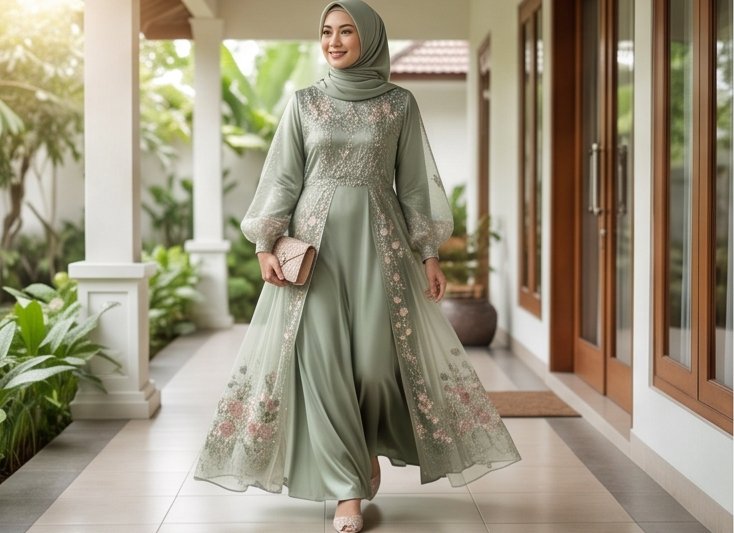
Religion has never demanded the eradication of rich local cultural identity in dress. Indonesia’s modest fashion industry, now a global reference, proves that Islamic modesty principles can harmoniously blend with the beauty of ikat weaving, Nusantara batik, and elegant contemporary silhouettes. Muslimahs are free to express their personal aesthetic preferences with dignity, without violating the fundamental principles of covering.
Nurturing Sisterhood Amidst Diverse Journeys:
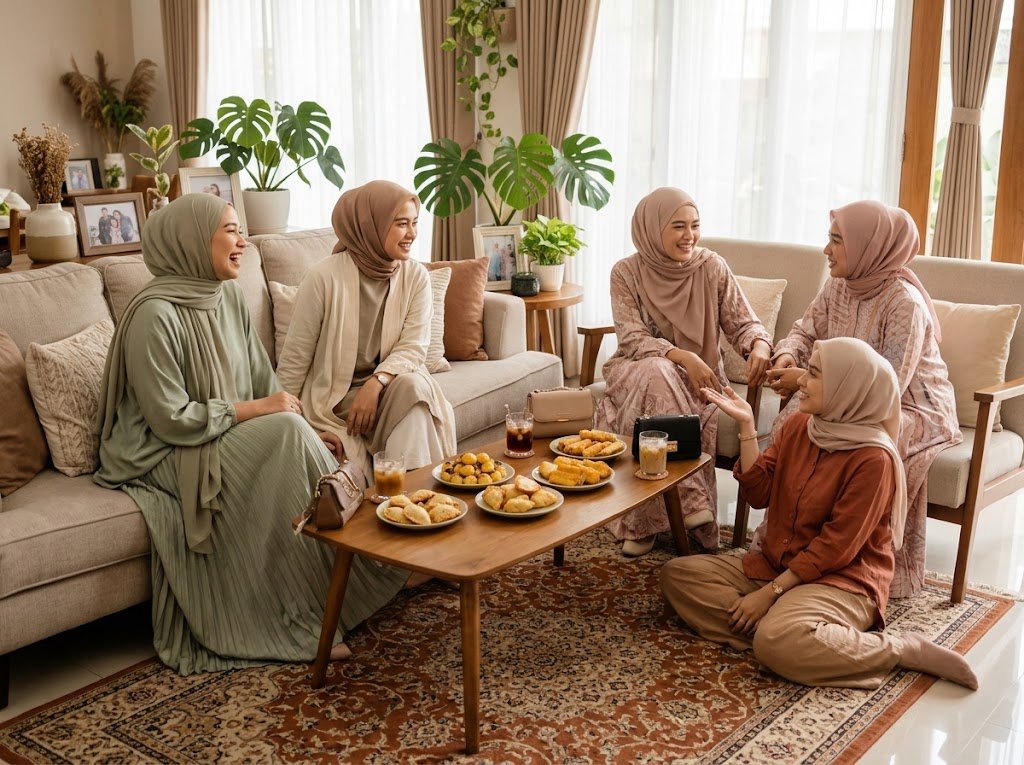
One of the greatest challenges in the digital communication era is the tendency to critique and judge others’ piety based solely on their headscarf folds or clothing styles. We must remember that each servant’s journey toward perfection is a private matter between them and God. Our role in society is to foster a warm sense of community with positive assumptions, pray for one another’s well-being, and prioritize virtuous example over hurtful judgment. — Salwa Salon Editorial
Tips for Maintaining a Muslimah’s Confidence in Public Spaces
Cultivating an authoritative and inspiring presence:
- Focus on Quality of Work and Intellectual Integrity: Demonstrate that your modest attire reflects depth of knowledge, high professional standards, and a commitment to providing broad societal benefit.
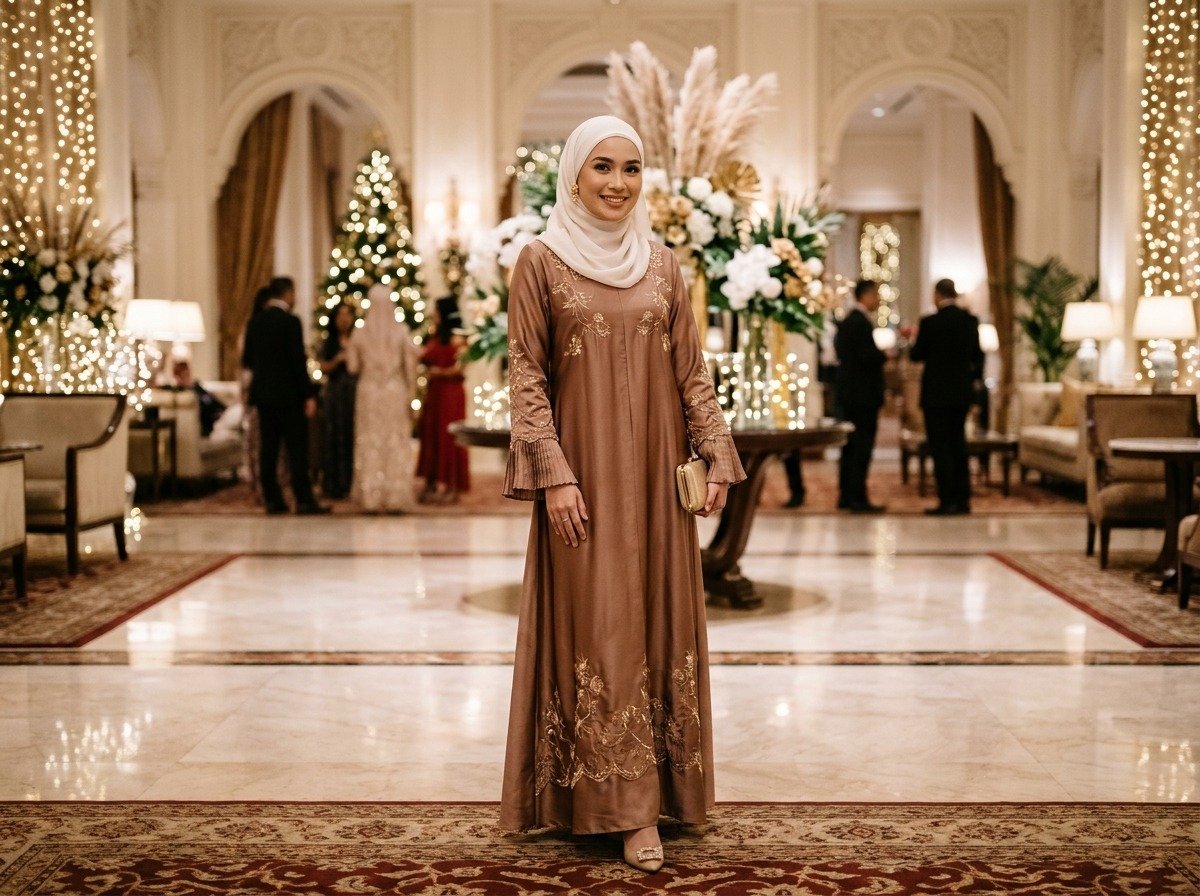
- Choose Calming Wardrobe Color Palettes: Understated palettes such as monochrome, earth tones (cream, soil brown, olive), and soft pastels exude inner tranquility, making those around you feel at ease.
- Holistically Care for Hair and Skin Health: Meticulously tend to the cleanliness of your hair and body skin beneath your modest attire as a form of gratitude for the physical vessel bestowed by God.
Frequently Asked Questions (FAQ)
Does the hijab prevent women from engaging in outdoor sports?
Absolutely not. Today, there is a wide array of Muslimah sportswear featuring quick-dry technology and instant sport hijabs that are highly comfortable for marathon running, swimming, and even mountain climbing.
How should one respond to negative comments about their attire?
Respond with calmness and a smile. Embrace constructive criticism with an open heart and disregard judgmental remarks, as your self-worth is not determined by others’ opinions.
Is modest fashion synonymous with expensive, branded clothing?
Not at all. The essence of modest fashion lies in simplicity, neatness, and decency. Clean, well-maintained clothing with neat stitching is far more meaningful than luxury branded apparel.
How can one balance modest dress codes with workplace uniform requirements?
Communicate professionally with your employer to integrate your office uniform with a plain hijab and matching cuffs that meet corporate safety and aesthetic standards.
Conclusion
The hijab and Muslimah identity are a beautiful tapestry of spiritual obedience, dignified self-expression, and the embodiment of a woman’s human dignity. By nurturing inner sincerity, respecting personal and collective journeys, and prioritizing daily comfort in attire, every Muslimah can walk the earth with peace, grace, and abundant blessings.