The rich cultural heritage of the Nusantara is vividly reflected in thousands of traditional textile varieties scattered from Sabang to Merauke. These range from robust, characterful ikat woven fabrics, magnificent gold-threaded silk songket, to inland batik imbued with noble spiritual philosophy. However, for decades, these heirloom textiles were often kept locked away in wooden cabinets, only brought out once a year for sacred traditional ceremonies.
Now, a new wave of contemporary fashion has successfully dismantled these exclusivity barriers. Young designers and fashion enthusiasts from the homeland are adept at harmonizing strands of traditional textiles into dynamic, modest, and highly relevant modern apparel designs suitable for the daily rhythm of urban life. Regional textiles are now proudly gracing the sidewalks of metropolises and international fashion runways.
The Philosophy Woven into Every Thread of Textile
Wearing apparel crafted from Nusantara textiles fundamentally differs from wearing mass-produced printed fabrics. Each strand of woven fabric or batik holds a narrative of civilization and the prayers of its weavers:
1. The Patience and Diligence of Female Weavers?
A piece of traditional ikat fabric can take months to create, from spinning local cotton, concocting natural dyes from mengkudu roots and indigo leaves, to weaving it thread by thread using a non-machine loom (ATBM). Appreciating this process is a genuine form of respect for the economic dignity of women in rural areas.
2. The Symbolic Meaning of Social Harmony Guardians?
Geometric motifs on Toraja weaving, bamboo shoot motifs on Malay songket, or coastal tumpal motifs carry moral messages about human harmony with the universe, the importance of humility, and prayers for the wearer’s well-being.
Inspiration for Transforming Textiles into Contemporary Apparel
To ensure traditional textiles appear fluid and not stiff or heavy, apply the following modern design approaches:
1. Structural Blazers with Ikat Accents?
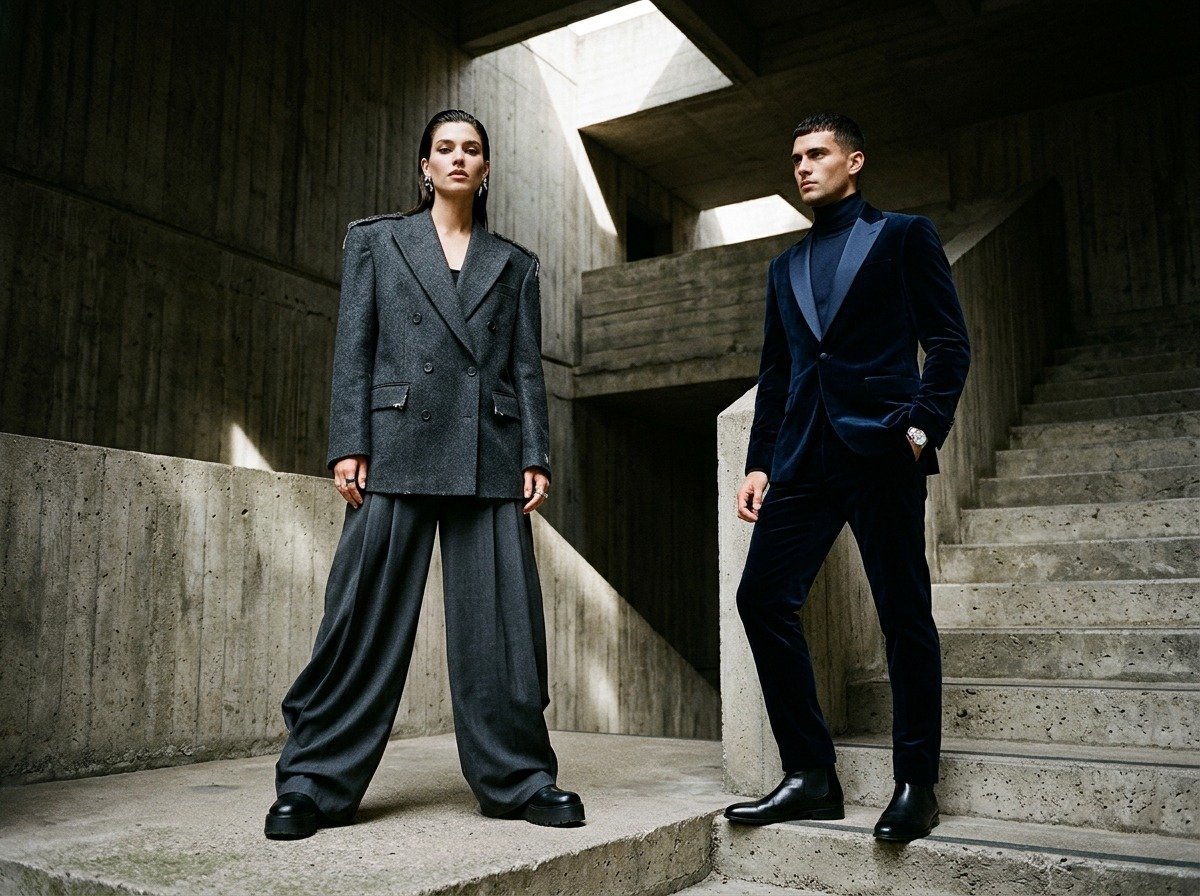
Incorporating ikat fabric as panel accents on the collar, pockets, or back of a plain cotton blazer creates formal workwear that exudes a cultured, authoritative leadership presence. Pair with charcoal grey straight-leg trousers for a sophisticated office look.
2. Draped Tunics and Casual Kimono Outerwear?
Cutting silk textiles with a loose, flowing silhouette (loose drape) results in an elegant kimono-style outer garment. This design modestly conceals body contours while providing cool air circulation for daytime activities.
3. Minimalist Silhouette Evening Gowns?
Songket or woven fabrics that already possess rich patterns are best paired with clean A-line gown cuts that avoid excessive pleating. Let the beauty of the fabric’s texture be the captivating star without the need for superfluous embellishments.
Ethics and Responsibility in Handling Textiles
Adopting traditional textiles into modern fashion must be grounded in respect and cultural ethics:
- Understand Motif Sacredness: Certain textile motifs are specifically designated for mourning ceremonies or sacred religious rituals. Consult with customary elders or local artisans to ensure motifs are not misplaced in apparel designs.
- Minimize Fabric Cutting (Zero Waste Cutting): Traditional weaving patterns have an integral structure. Discerning designers employ zero-waste cutting techniques to preserve the integrity of the original fabric motifs as much as possible.
- Purchase Directly from Authentic Artisans: Provide tangible economic support by purchasing fabrics directly from local women’s weaving cooperatives to bypass exploitative middlemen.
Caring for Traditional Woven Fabrics in Your Wardrobe
Traditional textiles incorporated into modest apparel require special care. Avoid washing woven fabrics with harsh detergents; use natural lerak soap and air dry in a shaded area to maintain the beauty of gold threads and colors.
Salwa Salon Editorial Note: Wearing Nusantara textiles is our way of loving our country with outward grace. Within every beautifully woven thread lies the sweat and prayers of mothers and the nobility of ancestral culture, reminding us to always walk with humility and dignified honor.
Questions Regarding Styling Traditional Textiles
How do I care for traditional woven fabrics to prevent color bleeding during washing?
Wash only when absolutely necessary using natural lerak fruit liquid or a pH-neutral baby shampoo. Air dry in a shaded area and avoid direct high heat ironing.
Are traditional textiles suitable for pairing with casual sneakers?
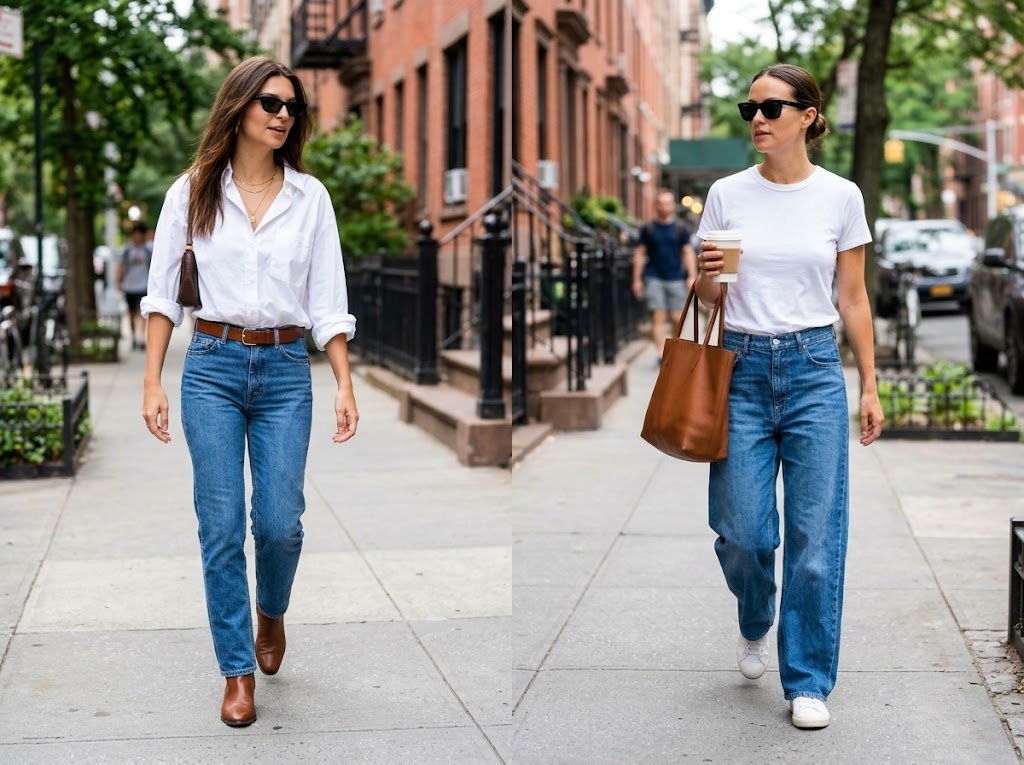
They are highly suitable for an urban ethnic casual style. Pairing a woven outer with a plain cotton t-shirt, culotte pants, and clean white sneakers creates a fresh, youthful look that proudly embraces culture.
How do I choose the right hijab for heavily patterned woven attire?
Opt for a plain square hijab made of voal or paris material, in a color that picks up one of the minority colors present in the woven fabric, to ensure a harmonious appearance.
Be proud to wear your nation’s cultural heritage. With modest modern creativity and sincere appreciation for the work of local artisans, the charm of Nusantara ethnic fashion will perpetually radiate global elegance.