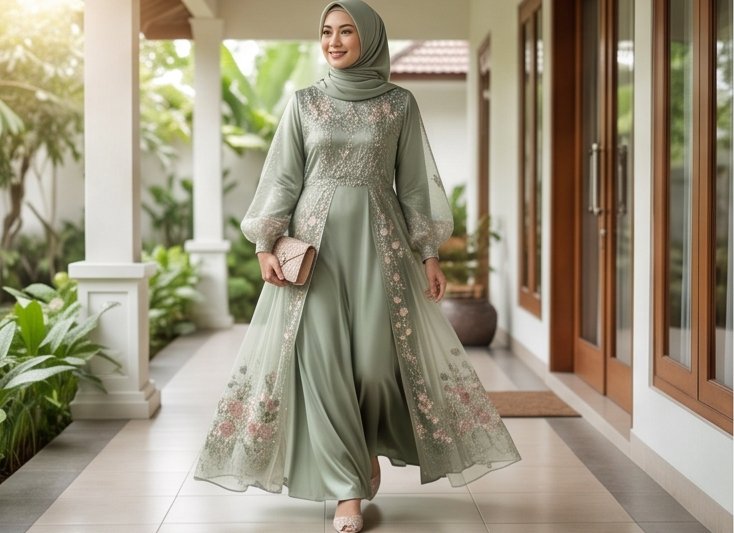
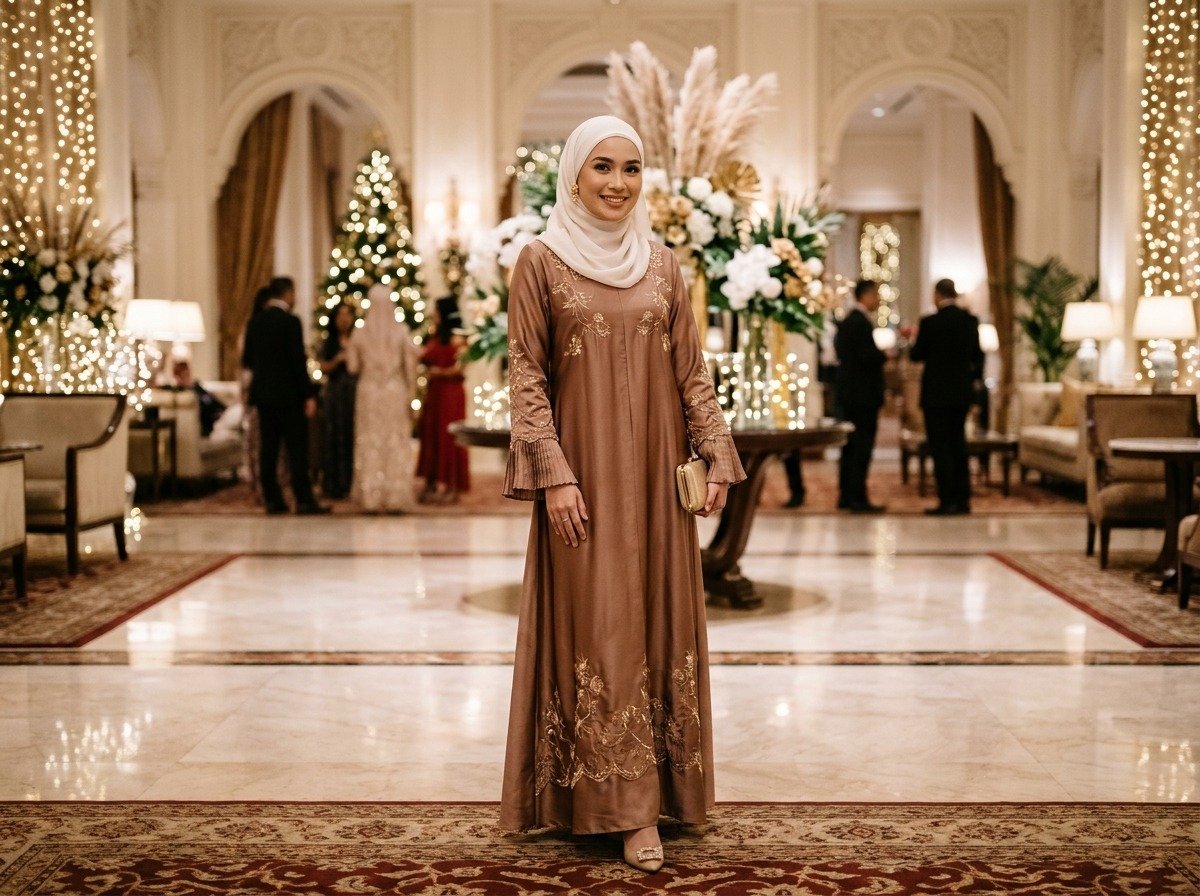
For a Muslim woman, the obligation to extend her hijab fabric to cover the chest area is a divine commandment imbued with honor, dignity, and a manifestation of obedience to the Almighty Creator. However, in the practicalities of daily dressing, many Muslim women face dilemmas when styling their hijabs. Often, in pursuit of a fashionable and streamlined appearance, some opt to wrap the hijab fabric tightly around the neck. This not only contradicts the essence of covering the chest but also leads to suffocating discomfort and oppressive heat.
Conversely, concerns that a modest, chest-covering hijab might appear dated, stiff, restrict movement, or trap heat around the neck often deter the intention to dress more modestly. The paradigm of modern modest fashion has proven that adherence to religious principles and ergonomic comfort can coexist perfectly. Styling a chest-covering hijab does not necessitate tight bindings that constrict the neck; with loose draping techniques, the selection of breathable fabrics, and thoughtful styling, you can achieve an elegant, neat, and comfortable look while remaining fully protected with grace.
Ergonomic Pillars for a Cool and Modest Hijab Style
All-day hijab comfort hinges on optimal air circulation around the neck and head:
1. Avoiding Tight Bindings Around the Base of the Neck?
Repeatedly wrapping hijab fabric around the neck can compress the carotid arteries and respiratory trachea, impeding airflow and triggering excessive perspiration in the neck folds. This trapped sweat can lead to itchy heat rash and musty odors. Ensure a minimum two-finger gap between your hijab and your lower chin for breathability.
2. Utilizing Proportionate Hijab Fabric Dimensions (130×130 or 140×140 cm)?
Discard standard small square hijabs (110×110 cm) that force you to pull the fabric too tightly to cover the chest. Opt for medium-sized modest square hijabs (130×130 cm) or long pashminas (200 cm). Wider fabric allows for natural draping that perfectly covers the chest without excessive pulling.
3. Selecting Lightweight, Breathable, and Draping Fabrics?
Choose fabrics like ultrafine voal, premium cotton paris, or soft-textured ceruti georgette. These materials offer excellent micro-air circulation, do not muffle sound to the ears, and possess a modest drape that prevents them from easily being blown open by the wind.
4. Minimizing the Use of Excess Pins?
Comfortable hijab styling requires only one safety pin or magnetic pin under the chin and a small brooch on the shoulder to secure the fabric drape. Reducing the number of pins makes the hijab feel lighter on the head and prevents the risk of accidental pricks during active moments.
Elegant Styling Inspirations for a Chest-Covering Hijab
Here are practical and charming hijab styling steps for your daily wear:
- Classic Square Drape Style: Fold a wide square hijab into a triangle, place it on your head with the right side slightly longer. Secure with a pin comfortably under the chin, then bring the longer end of the fabric across your chest towards your left shoulder and fasten with a neat small brooch.
- Modest Loose Pashmina Style: Position a pashmina with both sides of equal length over a knit underscarf. Cross both sides of the fabric casually in front of your chest and drape them over your right and left shoulders without any neck constriction.
- Modern Instant Bergo Style: For home activities or dynamic outdoor events, choose an instant bergo made from premium modal jersey with a chest-covering length, featuring a neat curved cut at the shoulder.
Salwa Salon Editorial Note: The hijab you wear is a mantle of honor bestowed to bring inner peace, not a physical restraint that causes suffering. Adorn yourself with the comfort and ease of a hijab that cools, radiating the graceful charm of noble character with every step you take.
Frequently Asked Questions About Styling a Chest-Covering Hijab
How can I prevent a wide hijab from easily coming undone while riding a motorcycle?
Wear an outer jacket or cardigan buttoned neatly over the hijab, or use small safety pins on the right and left sides of your clothing at the waist to secure the hijab fabric.
What type of underscarf is most comfortable under a wide hijab without causing ear pain?
A bandana-style underscarf made from bamboo knit jersey with ear openings is the best choice to prevent pressure on the earlobes and headaches.
Is a chest-covering hijab suitable to wear with a laptop backpack for work?
Absolutely; adjust your backpack straps slightly looser and allow the front hijab fabric to drape neatly between the backpack straps without being tucked in.
What hijab fabric is the most opaque, even when thin and cool?
Ultrafine voal with a high thread count and premium wolfis fabric are the safest choices because their dense weave prevents transparency while remaining exceptionally cool.
How can I iron a wide hijab so that its folds are not stiff and fall naturally?
Iron on a medium heat setting, avoiding pressing the central triangular fold too firmly so that the hijab at the forehead can curve naturally without sharp creases.
Styling a chest-covering hijab with comfort is an art that blends spiritual devotion with respect for physical well-being. Embrace your days with modest attire that offers neck relief and honors your chest, radiating the true elegance of a Muslimah that brings serenity to the world’s gaze.