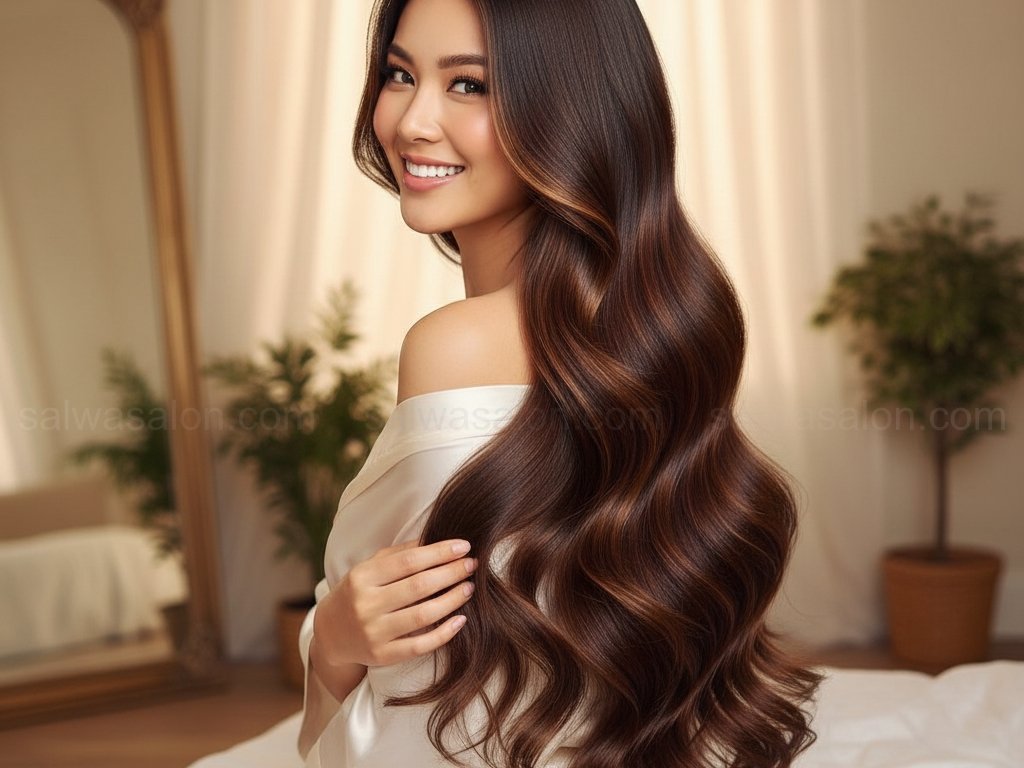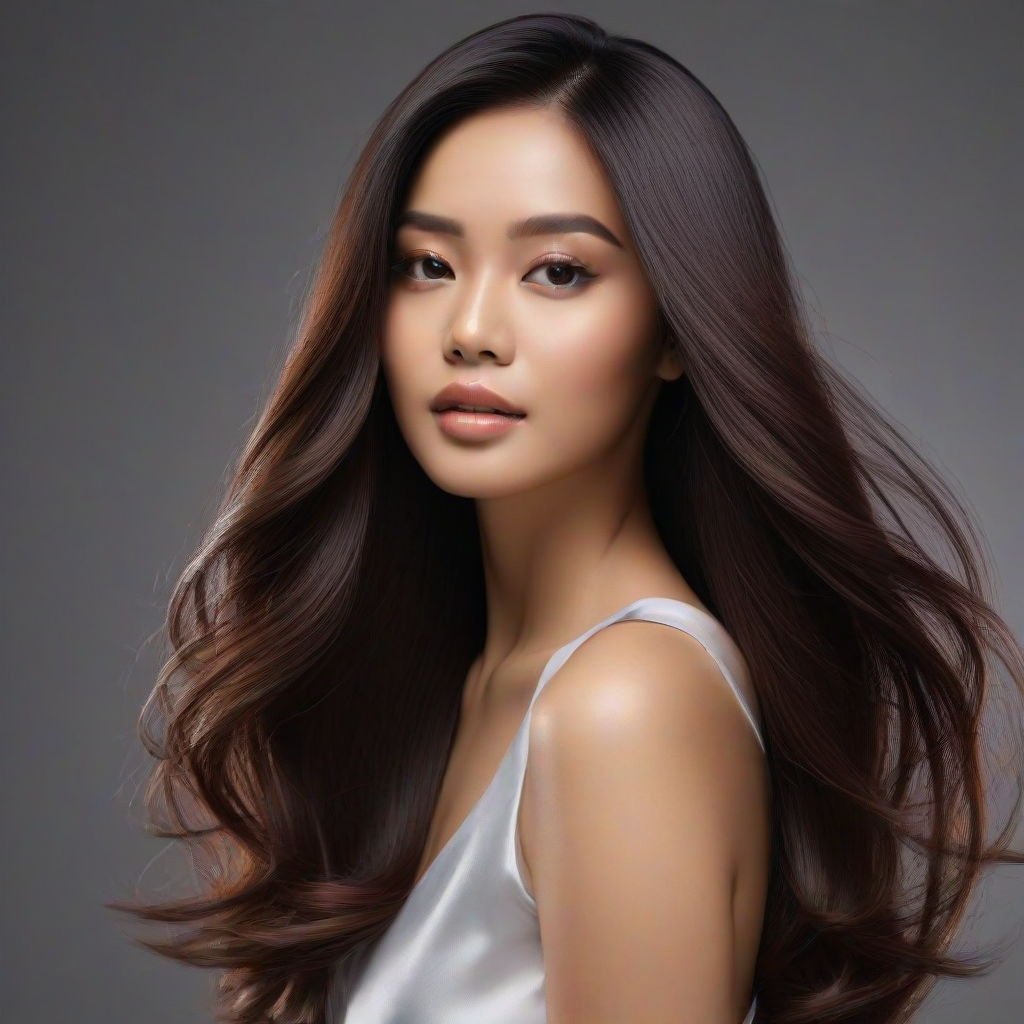
Hello, Salwa’s Besties! Have you noticed any recent changes in your hair’s texture? Hair that was once thick, soft, and naturally luminous might now feel thinner, prone to shedding, rough, or its color appears dull and faded. Yes, much like our skin’s tissues, hair also undergoes biological aging and premature aging due to environmental factors!
Unfortunately, education on hair health and rejuvenation (hair anti-aging) is still frequently overlooked. Many individuals only panic and seek solutions when they’re already experiencing premature baldness or severe hair damage. Let’s collectively understand the essential steps for nurturing the health of your crowning glory from an early stage!
Triggers of Hair Aging That Are Often Unnoticed
Hair aging is primarily driven by two main factors: internal factors (age, genetics, hormonal shifts, and stress) and external factors (exposure to air pollution, UV radiation from the sun, hard water, and the use of chemical bleaching and hair dyes without adequate post-treatment care).
Tangible Steps for Maintaining Healthy and Vibrant Hair
1. Treat Your Scalp Like You Treat Your Facial Skin
Modern hairdressing principles emphasize that the scalp is an extension of our facial skin (*skinification of hair*). A compromised scalp, clogged with sebum residue and styling product buildup, cannot support the growth of strong hair strands. Incorporate scalp exfoliation (scalp scrub) once a month to enhance oxygen circulation to the hair follicles.
2. Ensure Adequate Nutritional Intake from Within
Hair health is built from the inside out! Consume foods rich in iron, zinc, amino acid proteins, and biotin vitamins, such as eggs, nuts, spinach, salmon, and avocados, to fortify the hair root structure.
3. Provide External, Leave-On Nutritional Support
After shampooing, always apply hair vitamins or hair tonic to your scalp and hair strands. Nutrients like Moroccan Argan Oil and Vitamin E act as potent antioxidants, combating free radicals and urban pollution.
4. Avoid Tying Your Hair Too Tightly (Traction Alopecia)
Consistently tying your hair with tight elastics (such as an overly taut ponytail) exerts excessive tension on the hair follicles along the hairline, triggering permanent hair loss that can make the forehead appear wider.
Frequently Asked Questions About Hair Health Education (FAQ)
At what age do human hair typically begin to show signs of aging?
Naturally, signs of hair aging, such as a decrease in hair strand diameter and reduced scalp sebum production, typically commence in the late 20s to early 30s.
Can plucking gray hairs cause more gray hairs to grow?
Myth! Plucking a gray hair does not induce more gray hairs to sprout from other follicles. However, forcibly pulling out hair can damage the follicle, potentially leading to infection or follicle death, thus preventing future hair growth from that specific site.
What is the daily amount of hair shedding considered normal?
Shedding approximately 50 to 100 strands of hair per day is a natural part of the hair regeneration cycle (telogen phase). However, if you experience shedding exceeding 100 strands accompanied by noticeable thinning, intensive treatment is recommended.