When a piece of ikat weaving, coastal batik tulis, gold-threaded songket, or ulos fabric gracefully walks the runway at international fashion weeks in Paris, New York, London, or Milan, the world is witnessing more than just stylish garments. Behind every interwoven thread and motif, lies millennia of noble civilization, ancestral prayers, and the captivating dignity of the Indonesian nation that mesmerizes the global eye.
Cultural diplomacy through haute couture crafted from Nusantara textiles has proven to be an exceptionally effective bridge for international communication, transcending linguistic barriers and geographical borders. The exploration of traditional fabrics is tangible proof that Indonesia’s rich cultural heritage possesses a vibrant, contemporary relevance, world-class sophistication, and timeless appeal.
Nusantara Textiles as the Nation’s Universal Language of Diplomacy
In international relations, soft power diplomacy through art, culture, and fashion plays a crucial role in shaping a nation’s positive image. Fashion is a visual language that directly touches human emotions without the need for verbal translation.
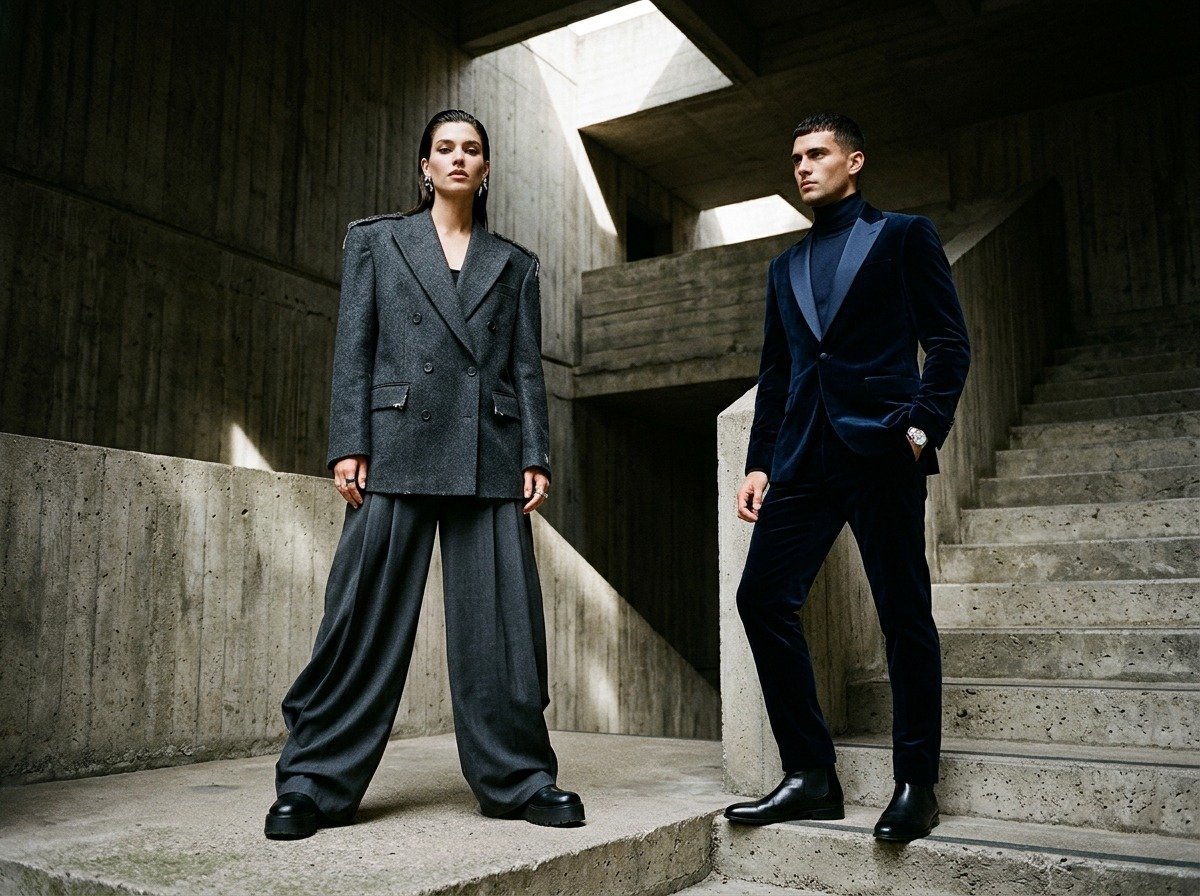
When Indonesia’s leading fashion designers showcase haute couture collections that artfully integrate traditional Nusantara textiles with high-level modern cutting techniques, the global community is reminded that Indonesia is home to a refined and civilized heritage. Nusantara textiles are presented not as relics of a bygone era, but as living, elegant, wearable art that stands on par with European haute couture.
Creative Challenges: Bridging Sacred Traditions and Modern Functionality
Transforming traditional fabrics into internationally ready-to-wear fashion demands exceptional cultural sensitivity and design acumen. Each traditional textile motif carries its own philosophy, social hierarchy, and customary prohibitions that must be meticulously respected.
Professional designers from the homeland collaborate closely with customary elders and local artisan communities to ensure that the fabrics being worked with are permissible for garment creation, not sacred cloths reserved for funeral rites or royal coronations. Technical challenges such as fabric elasticity, fiber thickness, and natural dyeing are overcome through textile engineering innovations that blend hand-weaving with fine, breathable silk or cotton materials.
Tangible Impact on Empowering Female Artisans in Remote Areas
The success of Nusantara textiles in penetrating the global fashion market brings tangible economic blessings to grassroots communities. Behind every piece of woven fabric showcased on the world stage are the hundreds of skilled hands of mothers and female artisans in remote villages across Flores, Toraja, Sumba, Lake Toba, and Lasem.
The increasing appreciation and demand for eco-friendly hand-woven textiles provide dignified, independent incomes for village women, fund their children’s education, and ensure the continuity of weaving skills. The global fashion stage serves as a showcase that honors the hard work and meticulous craftsmanship of Nusantara’s female weavers.
Cultivating Youth Pride in Traditional Attire
The international spotlight and appreciative applause for Nusantara textiles have a profoundly positive psychological impact domestically: igniting a sense of pride among Indonesia’s younger generation for their ancestral attire.
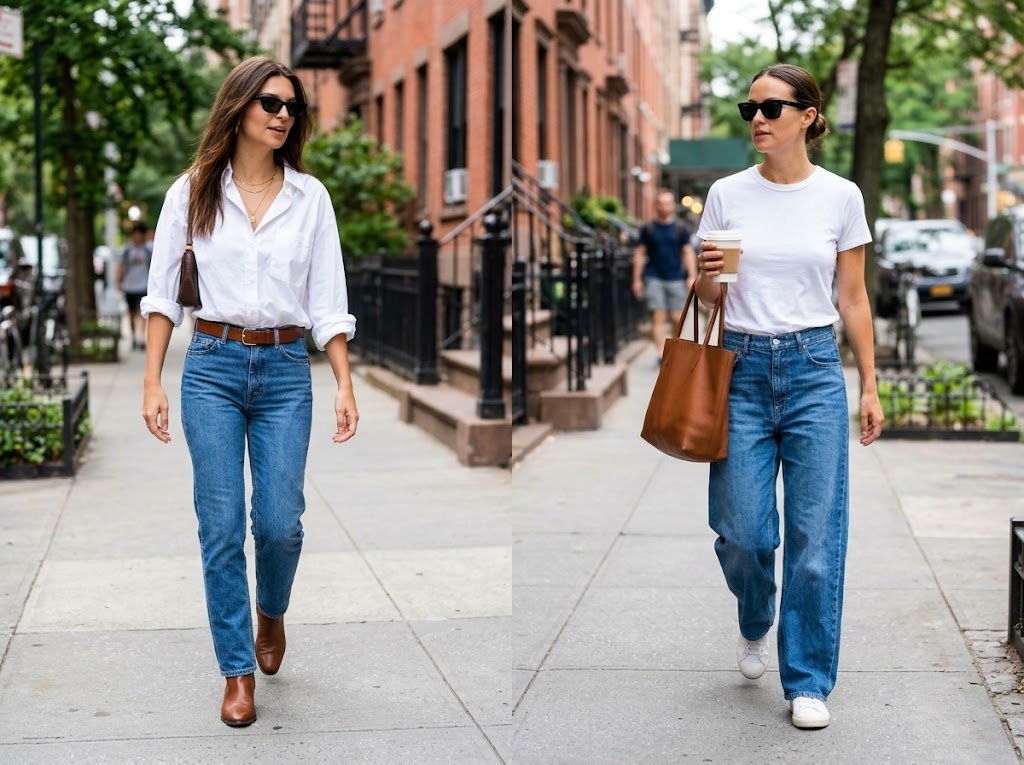
Young people no longer feel embarrassed or outdated when wearing batik or woven shawls in their daily activities. Collective fabric-wearing movements, pairing woven textiles with simple white t-shirts and sneakers, have become a proud urban lifestyle trend. Preserving traditional heritage is no longer a burden of the past, but a celebrated identity of cultural self-reliance, embraced with joy.
Questions Regarding Contemporary Nusantara Textile Usage
How should traditional silk woven fabrics be stored to prevent moth damage?
Store fabrics in a well-ventilated closet, use acid-free paper for wrapping, and place natural repellents like cloves, black peppercorns, or vetiver root in the corners of the closet as natural insect deterrents.
Can traditional woven fabrics be washed in a washing machine?
Absolutely not. The agitation of a washing machine and harsh detergents will damage the warp and weft threads and fade the natural dyes. Always hand-wash using soap nuts (lerak) or plain clean water.
How can Nusantara woven fabrics be incorporated into everyday work attire?
Opt for a woven accent vest or blazer layered over a plain white shirt and neutral trousers for a professional yet understated look.
What is the fundamental difference between ikat and songket fabrics?
Ikat is created by tying and dyeing threads before weaving, whereas songket is woven by inserting additional gold or silver weft threads over the base fabric.
Salwa Salon Editorial Note: Nusantara textiles are the beating heart of our nation’s noble culture. Each thread is woven with prayers, patience, and the wisdom of ancestors who cherished beauty and natural harmony. Wear your nation’s traditional fabrics with your head held high and a noble sense of pride. Honoring one’s own national heritage is the beginning of a nation’s dignity and honor in the eyes of world civilization.
Cultural diplomacy through the exploration of Nusantara textiles on the international fashion stage is a testament to the captivating artistry of Indonesian craftsmanship that enchants the world. By preserving the sanctity of its philosophy, empowering local artisans, and wearing it with love, we safeguard the timeless legacy of our ancestors for a brilliant future.