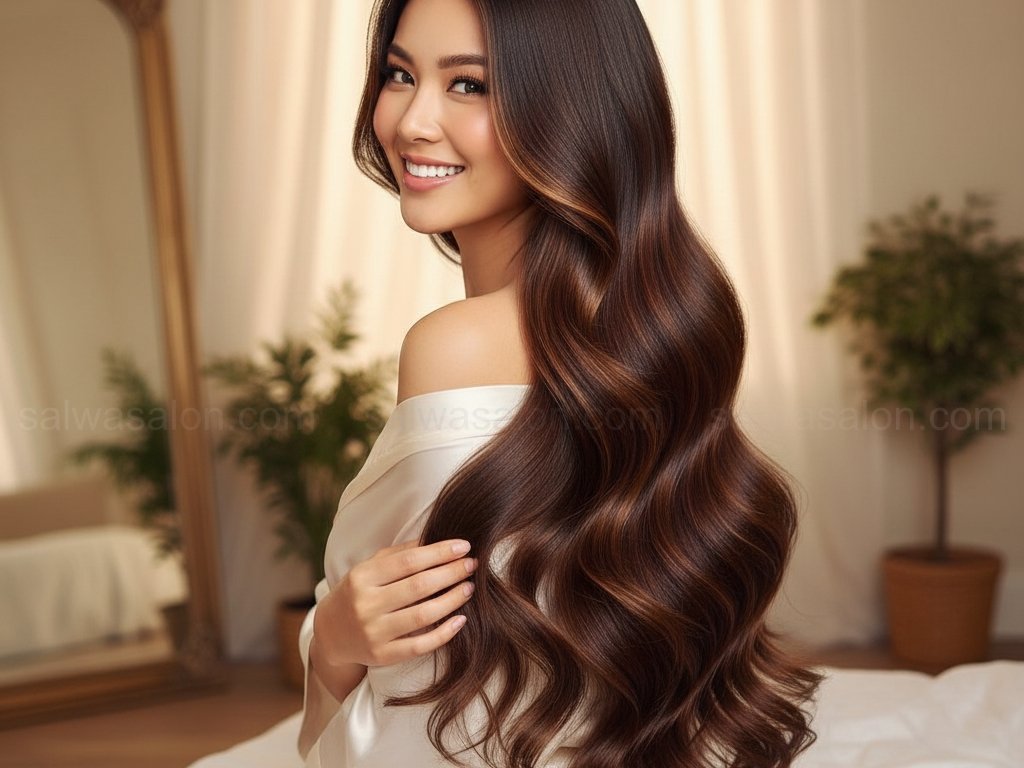
For anyone with a demanding career in the entertainment industry, modeling, or simply a penchant for experimenting with blonde and pastel hair colors, the bleaching process (melanin pigment removal) is an almost unavoidable chemical step. However, this process demands a significant sacrifice from the hair strand’s structure. The firsthand experience shared by presenter and model Patricia Gouw has opened many eyes to the fact that hair exposed to daily heat styling and repeated bleaching is highly susceptible to severe damage: its texture becomes brittle like wet rubber, dull, and develops an unsightly brassy yellow hue.
The good news is that hair that has undergone severe chemical and thermal damage can still have its health restored through disciplined adherence to the right restorative home care routine.
Why Does Bleaching Cause Yellowing and Brittle Hair?
The bleaching process utilizes a high-concentration oxidizing agent that forcefully opens the hair cuticle and dissolves the natural melanin within the cortex. This process not only removes the original color but also erodes the keratin protein reserves and breaks the disulfide bonds that provide tensile strength to the hair fiber.
When these already fragile strands are continuously styled with high-heat tools without protection, the cool toner pigments quickly evaporate, leaving behind the dull, yellow base color of the hair (brassy). The hair then becomes stiff, rough to the touch, and prone to breakage when brushed.
5 Steps to Repair Bleaching Damage at Home
1. Use Purple Shampoo to Neutralize Yellow Tones?
To combat the bothersome brassy yellow tones in bleached hair, use a violet-pigmented shampoo one to two times per week. Based on the color wheel, violet pigments neutralize yellow-orange undertones, restoring a cool and elegant ash blonde hue without the need for a color reapplication.
2. Switch to Quality Styling Tools with Precision Temperature Control?
Much hair damage originates from the use of inexpensive straighteners or dryers that lack stable temperature regulation, leading to excessive heat that scorches the cuticle. Invest in styling tools with ceramic or tourmaline plate technology that distributes heat evenly and use a safe temperature range of 140 to 160 degrees Celsius.
3. Always Apply Hair Oil Before and After Styling?
Botanical hair oils such as argan, jojoba, or marula oil are lifesavers as lipid coatings. Apply two drops to damp hair before drying, and add one drop to the ends after styling to lock in shine and prevent flyaways.
4. Apply a Deep Conditioning Mask at Least Twice a Week?
Bleached hair requires significantly more concentrated nourishment than regular conditioner. Use a hair mask containing ceramides, keratin amino acids, and shea butter. Wrap hair in a warm towel for 20 minutes to allow the formula to penetrate the porous cortex.
5. Limit Hair Washing Frequency?
Washing hair daily accelerates toner fade and strips away the natural oils essential for dry hair shafts. Shampoo only every two to three days using lukewarm or cool water.
The Importance of Trimming Damaged Ends:
Many women are reluctant to cut their hair for fear of losing length, but leaving split ends caused by bleaching is a fatal mistake. Cracks in damaged ends will continue to travel up the hair shaft like an opening zipper. Regularly trimming 1 to 2 centimeters of damaged ends actually saves the remaining healthy strands. — Salwa Salon Editorial Team
Lifestyle Guide for Supporting Hair Health
Optimal hair restoration requires support from within the body:
- Consume Adequate Protein and Water: Quality plant and animal protein intake provides amino acids for tissue repair, while water hydration maintains scalp moisture.
- Use Satin Pillowcases: Switching from rough cotton pillowcases to smooth satin reduces mechanical friction during sleep, preventing brittle hair from breaking and tangling.
Frequently Asked Questions About Bleaching Damage (FAQ)
How long does it take to repair bleached hair damage?
With a consistent routine of intensive masks and purple shampoo, hair texture typically begins to feel softer and the color appears refreshed within 3 to 4 weeks.
Is it advisable to wash bleached hair with hot water?
It is strongly not recommended. Hot water forcefully opens the hair cuticle, leaches out internal hydration, and accelerates hair color fade.
Can I comb bleached hair when it’s still wet after shampooing?
Avoid combing heavily wet bleached hair, as the hair fibers are at their most fragile elasticity point and are prone to stretching and breaking. Dry hair until it’s damp before gently detangling with a wide-tooth comb.
When is it safe to re-bleach damaged hair?
Allow a minimum break of 3 to 6 months and ensure hair elasticity has significantly improved before considering another chemical process.