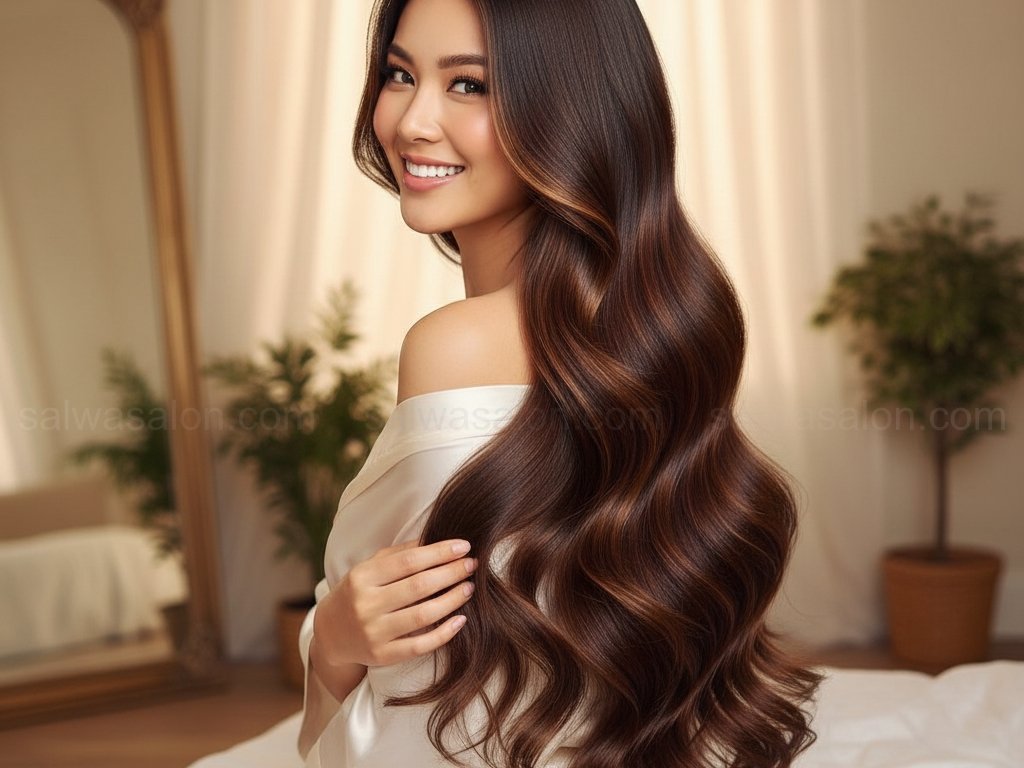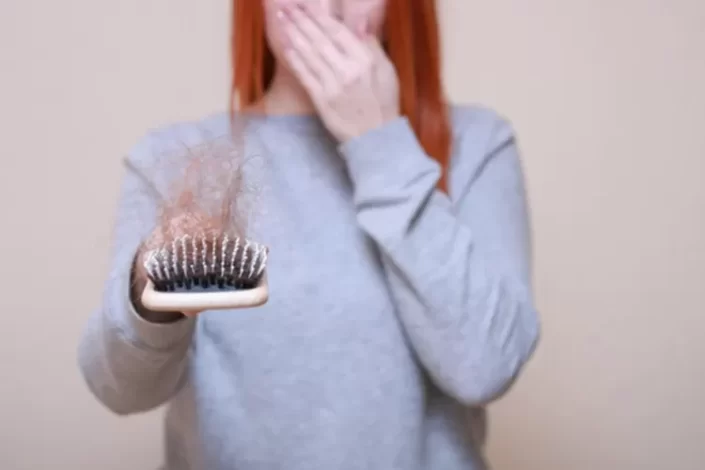
Discovering clumps of shed hair on the bathroom floor, in your comb, or on your pillow often triggers significant concern. Prolonged, unaddressed hair loss can lead to gradual thinning of hair strands. However, combating severe hair loss doesn’t always necessitate costly clinical procedures. The key lies in understanding the biological hair growth cycle and consistently restoring the health of your hair roots and scalp.
The primary solutions involve fortifying the scalp barrier, enhancing follicle microcirculation through targeted nutrition and gentle massage, and minimizing mechanical stress and excessive heat on the hair shaft.
Understanding the Primary Causes of Excessive Hair Loss
Naturally, humans shed between 50 to 100 hairs per day as part of the normal regeneration cycle. However, if the number of shed hairs exceeds this threshold, the condition is typically triggered by several key factors:
- Hormonal Imbalances: Increased follicle sensitivity to dihydrotestosterone (DHT) or hormonal fluctuations post-childbirth.
- Psychological and Physical Stress (Telogen Effluvium): Severe stress can prematurely push a significant percentage of hair follicles into the resting (telogen) phase simultaneously.
- Critical Nutrient Deficiencies: Lack of iron, ferritin, vitamin D, zinc, and keratin-building proteins.
- Mechanical and Chemical Trauma: Overly tight hairstyles, bleaching, or chemical straightening treatments that compromise the hair cuticle.
5 Effective Ways to Combat Hair Loss and Strengthen Roots
1. Ensure Adequate Keratin-Building Nutrients for Hair
Hair strands are primarily composed of 85% fibrous protein known as keratin. Without sufficient amino acid intake, the body will prioritize vital organ function over hair production. Consume protein-rich foods such as eggs, chicken breast, tempeh, and fatty fish. Supplement with dark leafy greens, which are rich in iron to support blood circulation to the follicles.
2. Perform Scalp Massage with Rosemary Oil
Dermatological research indicates that rosemary essential oil can naturally stimulate scalp microcirculation. Combine 4 drops of rosemary oil with 1 tablespoon of jojoba oil as a carrier oil. Massage into the scalp for 5 minutes before shampooing. This massage enhances microvascular blood flow and promotes the active growth phase of hair.
3. Use a Gentle, Sulfate-Free Shampoo Formula
Shampoos containing harsh sulfates can strip the scalp’s protective acid mantle, leading to dryness and follicle inflammation. Opt for gentle cleansers enriched with biotin, caffeine, panthenol, or ginseng extract to nurture fragile hair shafts.
4. Avoid Brushing Wet Hair
When hair is wet, the hydrogen bonds within the hair shaft weaken, and its elasticity increases, making it highly susceptible to breakage from the root. Gently pat hair dry with a microfiber towel; avoid vigorous rubbing. Use a wide-tooth comb, starting from the ends and slowly working your way up.
5. Limit the Use of Extreme Heat Styling Tools
High-temperature hairdryers, flat irons, and curling irons can deplete moisture from the hair cortex, leading to immediate brittleness. Always apply a heat protectant spray before heat styling and set tool temperatures no higher than 160 degrees Celsius (approximately 320 degrees Fahrenheit). If using a hairdryer, utilize the cool setting and maintain a minimum distance of 15 centimeters (about 6 inches) from the scalp to prevent thermal stress on the cuticle.
Telogen Phase and Scalp Vascularization:
Hair loss exceeding normal limits is often triggered by restricted nutrient flow around the hair follicle openings. The scalp is akin to soil for plants; dry, inflamed follicles cannot anchor hair strands securely. Regular cleansing of residue and gentle massage helps hair roots breathe more freely. — Salwa Salon Editorial Team
When is it Time for Professional Scalp Therapy at a Salon?
If hair loss persists for over two months and you begin to notice a widening of your hair part, at-home treatments should be complemented by professional scalp treatments. Salon-based scalp detoxification therapies help to dissolve oxidized sebum blockages at the follicle openings, followed by the infusion of peptide-based nourishing serums to support cellular vitality.
Frequently Asked Questions About Hair Loss (FAQ)
Does washing my hair every day cause more hair loss?
No, washing with a gentle shampoo actually cleanses sebum and debris that can clog follicles. Hair that falls out during shampooing is typically hair that had already detached from the follicle days prior.
How long does it take for hair loss to reduce?
The hair follicle cycle requires gradual improvement. With consistent nutritional support and scalp care, a reduction in shedding is usually noticeable within 4 to 8 weeks, while new hair growth begins to appear after 3 months.
Can tying my hair too tightly cause hairline hair loss?
Yes. The habit of consistently wearing tight ponytails or buns can create constant mechanical tension that damages follicles along the frontal hairline.