Scalp dandruff is one of the most common dermatological complaints experienced by millions worldwide. The white or yellowish flakes that fall onto dark clothing, the itching that triggers an urge to scratch in public, and hair that appears limp often cause anxiety and diminish self-confidence in social interactions.
- 2.1 1. Use Shampoos with Clinically Proven Antifungal Active Ingredients
- 2.2 2. Allow Adequate Contact Time on the Scalp When Shampooing
- 2.3 3. Adjust Your Shampooing Schedule Based on Your Scalp’s Sebum Production
- 2.4 4. Limit Scratching Your Scalp with Sharp Nails
- 2.5 5. Utilize Salicylic Acid Exfoliation
- 2.6 6. Maintain the Cleanliness of Your Daily Hair Accessories
- 2.7 7. Manage Stress Levels and Maintain a Nutritious Diet
Many people mistakenly believe dandruff is solely due to poor hair hygiene. In reality, dandruff is a condition of biological imbalance involving oil gland activity, accelerated shedding of dead skin cells, and the proliferation of natural microorganisms on the scalp.
Understanding the Biology Behind Dandruff Formation
On a healthy scalp, millions of microorganisms coexist harmoniously. One of the natural inhabitants of the scalp is a fungal microbe called Malassezia globosa. This fungus feeds on the free fatty acids present in the natural oils (sebum) produced by hair follicles.
When sebum glands produce excess oil due to hormonal changes, stress, or hot, humid weather, the population of this fungus proliferates uncontrollably. The fungus’s metabolic byproducts produce oleic acid, which penetrates the scalp’s protective barrier, triggering micro-inflammation and accelerating the skin cell turnover cycle from the normal 28 days to just 7 to 10 days. This accumulation of prematurely shed dead skin cells forms dandruff flakes.
7 Effective, Scientifically-Backed Ways to Combat Dandruff
1. Use Shampoos with Clinically Proven Antifungal Active Ingredients
Regular shampoos with fragrances won’t address the root cause of dandruff. Opt for specialized anti-dandruff shampoos containing medicinal active ingredients such as Zinc Pyrithione (ZPT), Selenium Sulfide, Ketoconazole, or Piroctone Olamine. These ingredients work directly to control the Malassezia fungus population and alleviate scalp inflammation.
2. Allow Adequate Contact Time on the Scalp When Shampooing
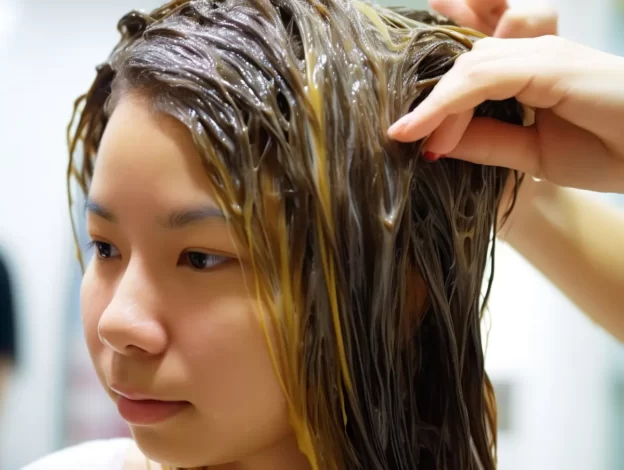
A common mistake is rinsing anti-dandruff shampoo immediately after lathering. To allow the antifungal active ingredients to penetrate the scalp’s epidermal layers, let the shampoo lather sit on your scalp for 3 to 5 minutes before rinsing thoroughly with running water.
3. Adjust Your Shampooing Schedule Based on Your Scalp’s Sebum Production
If you live in a hot, urban environment with significant perspiration, shampooing every one to two days is highly recommended to prevent the buildup of oil and sweat, which can become a breeding ground for fungus. Conversely, for those with dry scalps, shampooing 2 to 3 times a week with a gentle shampoo helps maintain the scalp’s natural moisture integrity.
4. Limit Scratching Your Scalp with Sharp Nails
The intense itching can be tempting to scratch vigorously. However, scratching with fingernails can damage scalp tissues, harm hair follicles, and invite secondary bacterial infections. If you experience itching, gently press with clean fingertips or use a cooling scalp tonic containing mint and aloe vera.
5. Utilize Salicylic Acid Exfoliation
For stubborn, crusty dandruff that adheres to the scalp (mild seborrheic dermatitis), exfoliants containing salicylic acid (a BHA) are highly beneficial. Salicylic acid is keratolytic, meaning it dissolves the bonds between dead skin cells, allowing dandruff crusts to slough off gently without irritating the skin.
6. Maintain the Cleanliness of Your Daily Hair Accessories
Hairbrushes, pillowcases, helmets, hats, and headscarves can harbor oil buildup, dead skin cells, and fungal spores, exacerbating recurrent dandruff cycles. Wash your hairbrushes with warm, soapy water once a week and change your pillowcases at least once or twice a week.
7. Manage Stress Levels and Maintain a Nutritious Diet
High levels of mental stress trigger the adrenal glands to produce cortisol, a hormone that directly stimulates sebum glands to produce excess oil and lowers the skin’s immune defenses. Balance your routine with adequate sleep and consume foods rich in zinc and omega-3 fatty acids (e.g., fatty fish, nuts).
Distinguishing Between Dry Dandruff and Oily, Wet Dandruff:
Before purchasing any treatment products, observe the type of flakes that appear. Dry dandruff presents as fine, white, dust-like flakes that shed easily, often triggered by scalp dehydration or overly harsh shampoos. Meanwhile, wet dandruff appears as thick, yellowish, sticky patches clinging to the scalp and may have a musty odor due to excess oil. Wet dandruff requires a potent antifungal shampoo, whereas dry scalps need scalp serum hydration and gentle, low-lather shampoos. — Salwa Salon Editorial Team
A Guide to Rinsing Your Hair Properly While Showering
Small steps that prevent the buildup of dandruff-triggering residue:
- Use Lukewarm Water: Avoid excessively hot shower water, as it can strip natural oils excessively and prompt sebum glands to overcompensate by producing even more oil.
- Rinse Until Water Runs Completely Clear: Leftover shampoo or conditioner residue on the scalp will dry into white crusts, often mistaken for dandruff.
- Do Not Apply Conditioner to the Scalp: Conditioners are formulated with rich emollients and silicones specifically for the hair shaft; applying them to the scalp can clog hair follicles.
Frequently Asked Questions (FAQ)
Is dandruff a contagious skin condition?
No, dandruff is not contagious at all; the Malassezia fungus is a normal flora that naturally resides on everyone’s scalp from puberty onwards.
How often can medicated anti-dandruff shampoo be used per week?
Use anti-dandruff shampoo 2 to 3 times a week during the active treatment phase, and alternate with a gentle daily shampoo on other days.
Why does dandruff often recur after it has seemingly cleared up?
Dandruff is a chronic condition that can be easily re-triggered by hormonal fluctuations, work-related stress, a diet high in oily foods, or extreme weather changes.
Can coconut oil or olive oil cure wet dandruff?
This is not recommended for wet dandruff; applying pure oils actually provides additional nourishment for the Malassezia fungus, allowing it to proliferate more extensively.
Conclusion
Combating stubborn dandruff isn’t about finding an overnight shortcut; it’s about establishing hygienic habits and selecting the right dermatological active ingredients. With patience and consistent scalp care, itching will subside, and you can return to your activities with comfort and complete confidence.




