For those just beginning their makeup journey, the world of cosmetics can often feel overwhelming with its vast array of products, brushes, and complex terminology. The fear of achieving a heavy, overly dramatic, or cakey finish frequently deters beginners from experimenting. However, natural everyday makeup is designed to enhance your best features, imparting a fresh and healthy appearance without altering your inherent character.
- 2.1 1. Cleanse Your Skin and Prepare for Hydration
- 2.2 2. Apply Sunscreen as Your Protective Base
- 2.3 3. Use a Lightweight Foundation or BB Cushion
- 2.4 4. Conceal Under-Eye Circles with a Touch of Concealer
- 2.5 5. Set Oily Areas with Translucent Setting Powder
- 2.6 6. Groom Brows to Follow Their Natural Shape
- 2.7 7. Apply a Warm-Toned Cream Blush
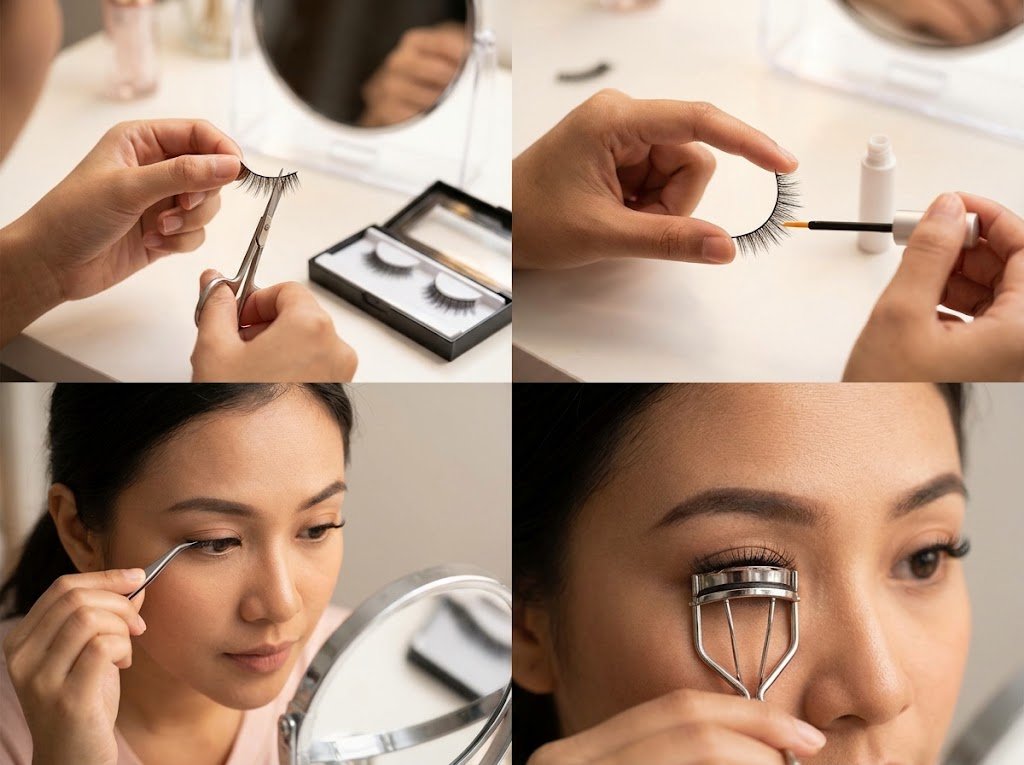
- 2.8 8. Curl Lashes and Apply a Thin Layer of Mascara
- 2.9 9. Finish with a Tinted Lip Balm
The key to successful natural makeup for beginners lies in achieving a well-hydrated canvas and selecting lightweight formulas that are easily blendable, even with just your fingertips.
The Philosophy of Natural Makeup for Daily Activities
The concept of natural makeup centers on visual freshness: subtly camouflaging under-eye shadows, evening out minor redness, and imparting a warm flush to the cheeks and lips. You don’t need a dozen heavy layers of product to look elegant and confident in your daily work or academic routine.
9 Easy Steps for Natural Makeup for Beginners
1. Cleanse Your Skin and Prepare for Hydration
Flawless makeup application always begins with clean, well-hydrated skin. Wash your face with a gentle cleanser, followed by a toner and a lightweight, fast-absorbing moisturizer to ensure your skin feels supple and free from flakiness.
2. Apply Sunscreen as Your Protective Base
Sunscreen is a non-negotiable morning step. Opt for a sunscreen with a hydrating finish that also functions as a natural primer, allowing your makeup to adhere more smoothly without any sticky sensation.
3. Use a Lightweight Foundation or BB Cushion
Avoid full-coverage foundations. Instead, choose a BB cushion, skin tint, or tinted moisturizer. Apply by gently tapping the product from the center of your face outwards using a makeup sponge applicator.
4. Conceal Under-Eye Circles with a Touch of Concealer
Dab a small amount of concealer on the inner corners of your under-eyes and on any blemishes or acne marks. Gently blend with your ring finger using soft patting motions until it seamlessly melds with your natural skin tone.
5. Set Oily Areas with Translucent Setting Powder
Lightly dust translucent powder over your forehead, nose, and under-eye areas to control oil without making your makeup appear heavy or chalky.
6. Groom Brows to Follow Their Natural Shape
Simply brush your brow hairs upwards with a spoolie, then fill in any sparse areas with a fine-tipped brow pencil using light, hair-like strokes to avoid creating harsh, boxy frames.
7. Apply a Warm-Toned Cream Blush
Cream blush in shades of peach or coral is incredibly easy to blend with your fingers on the apples of your cheeks to create a natural, fresh, and long-lasting flush.
8. Curl Lashes and Apply a Thin Layer of Mascara
Curl your lashes for a few seconds to open up your eyes, then apply a single, thin coat of mascara to make your eyes appear more awake without clumping.
9. Finish with a Tinted Lip Balm
Use a tinted lip balm or a nude-toned lip tint to keep your lips hydrated and prevent them from looking pale throughout the day.
Preparing Your Skin Canvas Before Makeup Application:
Makeup that looks natural and blends seamlessly with the skin is always dependent on skin hydration prior to makeup product application. If your skin is dehydrated, any foundation will easily settle into fine lines, such as smile lines. Focus on gel moisturizer hydration first before evening out your complexion. — Salwa Salon Editorial Team
Criteria for Choosing Makeup Shades Based on Skin Undertone
Understanding your skin’s undertone simplifies the process of selecting the right products for beginners:
- Warm Undertone: Pairs well with peach-toned blushes, soft terracotta shades, and orangey-brown lipsticks.
- Cool Undertone: Looks exceptionally flattering with soft pink blushes, gentle berry shades, and fresh mauve lipsticks.
- Neutral Undertone: Offers flexibility with soft coral or rose nude shades.
Common Mistakes Beginners Make When Applying Natural Makeup
For those new to makeup, a few minor errors can often result in a less-than-natural finish:
- Choosing Shades That Are Too Light: Believing that a foundation shade lighter than your neck will brighten your complexion often leads to a ashy or gray appearance. Always match your foundation to your jawline.
- Rubbing Products Instead of Patting: Swiping with a sponge or fingers can lift the underlying moisturizer and leave uneven streaks. Always use a gentle patting motion for seamless blending.
- Neglecting Makeup Tool Hygiene: Infrequently washed sponges or brushes can become breeding grounds for bacteria, leading to breakouts and blackheads on sensitive skin.
Frequently Asked Questions About Beginner Makeup (FAQ)
What are the most essential makeup products for beginners on a tight budget?
The three most essential products are a moisturizing sunscreen, a natural brow pencil, and a tinted lip balm that can also double as a blush.
How can I prevent my makeup from fading when I sweat?
Limit the use of overly heavy cream products and set your T-zone with a light dusting of setting powder using a soft-bristled brush.
Is it mandatory for beginners to use a beauty blender sponge?
It is not mandatory. Using clean fingertips can be highly effective for blending cream products, as your natural body heat helps the formula meld more seamlessly into the skin.
How should I properly remove natural makeup before bed?
Employ a double cleansing technique, starting with micellar water, followed by a gentle foaming facial cleanser to avoid pore congestion.